Inca Trail Trek to Machu Picchu is one of the most inspiring adventures you can experience in a lifetime. This Machu Picchu trek begins outside the ancient city of Cusco in the Sacred Valley and ends at Inti Punku, the famous Sun Gate, overlooking the legendary ruins of Machu Picchu.
The Classic Inca Trail hike can be completed in different routes: a 2-day Inca Trail, 4-day Inca Trail, or even a 5-day Inca Trail depending on your preferences. Many travelers wonder about the Inca Trail difficulty, altitude challenges, and the best time to hike the Inca Trail. Explorandes offers the 5-day Inca Trail trek for better acclimatization and greater enjoyment, with less exposure to large crowds of trekkers.
To plan your Inca Trail Peru adventure, it is important to secure your Inca Trail permits in advance, as spaces are limited and sell out quickly. Travelers often compare routes like Salkantay vs Inca Trail, but the Inca Trail to Machu Picchu remains the most iconic journey, combining history, breathtaking landscapes, and cultural heritage.
Whether you choose the short Inca Trail hike or the classic 4-day Inca Trail tour, this trek offers an unforgettable experience that leads you directly to Machu Picchu through ancient stone pathways built by the Incas. For those wondering about Inca Trail cost, itinerary options, or how to prepare, this adventure is more than just a hike—it is a once-in-a-lifetime connection with history and nature.
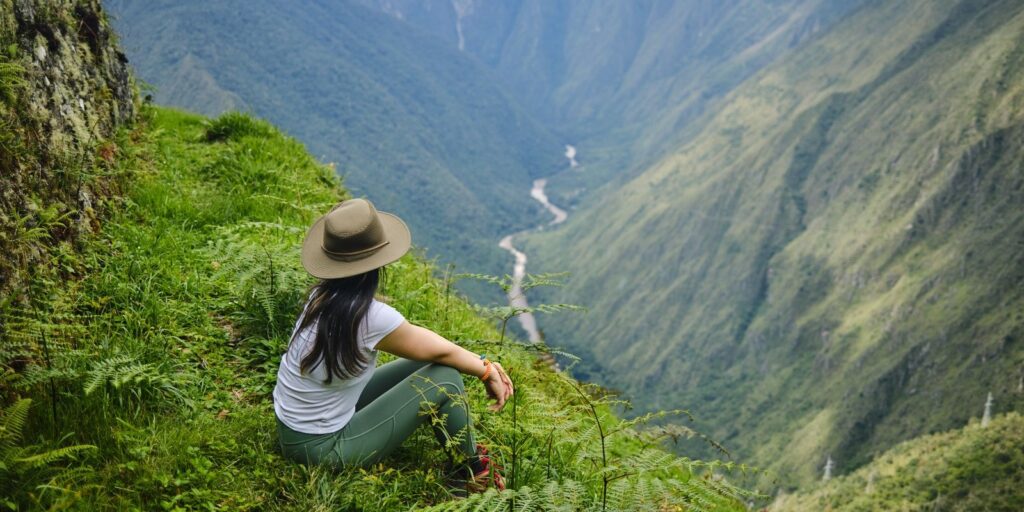
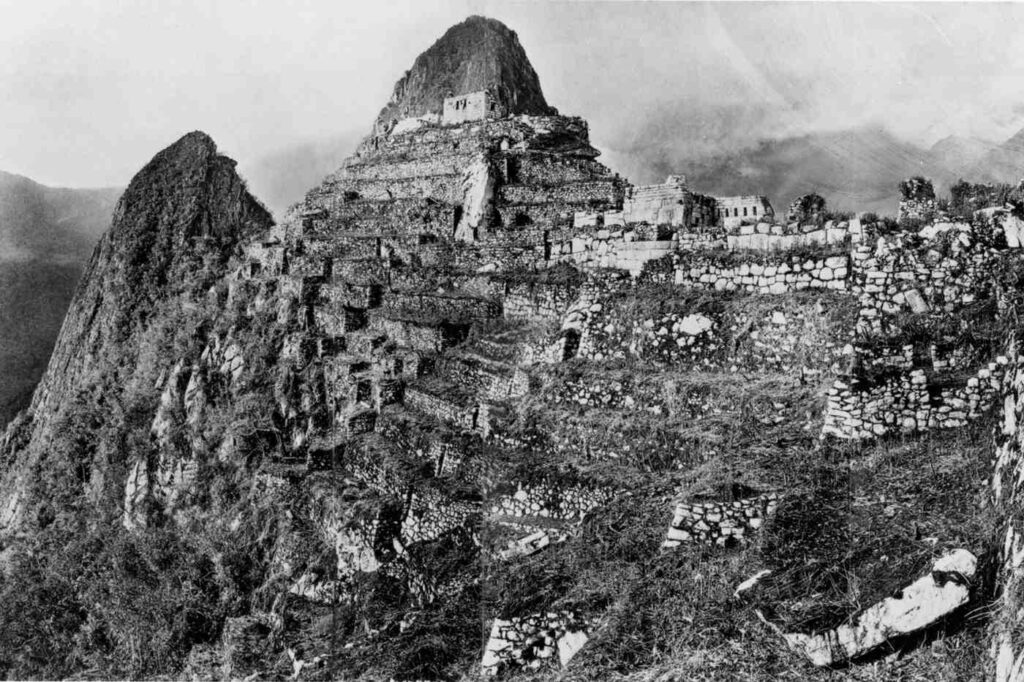
The early twentieth-century historian Hiram Bingham III has often been called the real-life “Indiana Jones.” Indeed, some of the costume and mannerisms of the Indiana Jones character were derived from knowledge about Bingham. In 1911, Mr. Bingham, financed by a joint study of Yale University and National Geographic, worked his way along what we now know as the Inca Trail Trek to Machu Picchu.
Guided by the local farmer Melchor Arteaga and other Andean companions, Bingham followed sections of the Classic Inca Trail hike that connected Cusco and the Sacred Valley with the hidden citadel. This Machu Picchu trek revealed to his party “an unexpected sight, a great flight of beautifully constructed stone terraces, each hundreds of feet long and ten feet high.”
What began as an exploration soon became one of the most famous Inca Trail hikes in Peru, inspiring modern travelers who now embark on the 2-day Inca Trail, the 4-day Inca Trail, or the extended 5-day Inca Trail trek. Today, the path Bingham traveled remains the most iconic Inca Trail to Machu Picchu, blending archaeology, history, and adventure for those seeking the ultimate Machu Picchu Inca Trail tour.
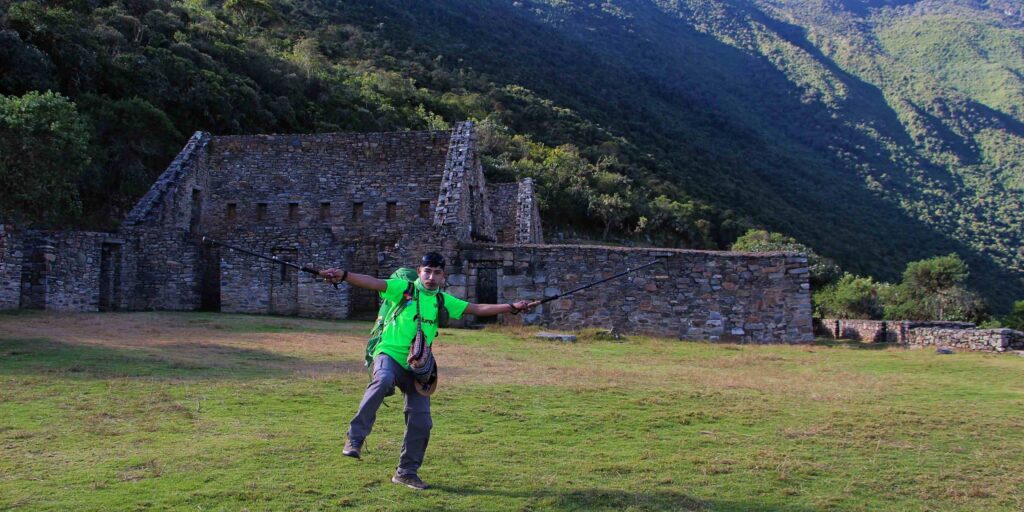
And it is Silvio Tunqui, whose story embodies the true spirit of the Andes, that has guided countless adventurers along the Inca Trail Trek to Machu Picchu. Unlike those who work only behind a desk, Silvio has been on the frontlines of every journey—walking beside travelers, carrying the weight as a dedicated porter, and leading as a knowledgeable guide through the mountains he calls home.
Motivated by his deep respect for Andean culture and his passion for the outdoors, Silvio ensures that each Inca Trail hike is not only safe and well-organized but also filled with authentic moments of connection. Trekkers who journey with him experience the Andes through the eyes of someone who has lived and breathed these mountains his entire life.
With unwavering commitment and attention to detail, Silvio provides a level of service that goes beyond logistics—it is about creating unforgettable experiences on the Classic Inca Trail to Machu Picchu. Step by step, travelers discover that the strength of the porters, the wisdom of the guides, and the dedication of people like Silvio Tunqui are what make the Machu Picchu trek truly extraordinary.
The question is one of the most common among travelers planning their Machu Picchu trek. While the original Andean Road system, known as Qhapaq Ñan (Capac Ñan), extended for more than 40,000 km from Colombia to Argentina, the section most famous today is the Inca Trail trek to Machu Picchu. This Classic Inca Trail is approximately 42 km (26 miles) long and can be completed in a 4-day Inca Trail hike, a 2-day Inca Trail, or even a 5-day Inca Trail trek depending on your pace, acclimatization, and chosen itinerary.
The Inca Trail Peru traverses ecosystems ranging from snow-capped Andean summits to lush cloud forests. Along the way, trekkers encounter archaeological sites, terraces, and breathtaking landscapes that reflect centuries of Andean engineering. Built upon earlier routes from the Wari and Tiwanaku cultures, the Inca Trail to Machu Picchu represents both innovation and resilience.
With the arrival of the Spanish in the 16th century, much of the Capac Ñan fell into disuse, but today, Tunqui Expeditions keeps the spirit of this path alive. Guided by local experts like Silvio Tunqui, who works not just from an office but directly on the mountains as a porter and guide, every step of the journey is a cultural immersion. Travelers literally walk in the footsteps of the Incas, supported by the dedication and service quality of those who preserve this heritage.
Whether you’re asking “How long is the Inca Trail?”, curious about Inca Trail permits, or comparing Salkantay vs Inca Trail, the answer is more than distance—it’s a once-in-a-lifetime adventure. With Tunqui Expeditions, each trek is designed for comfort, authenticity, and a deeper connection to the Andes.
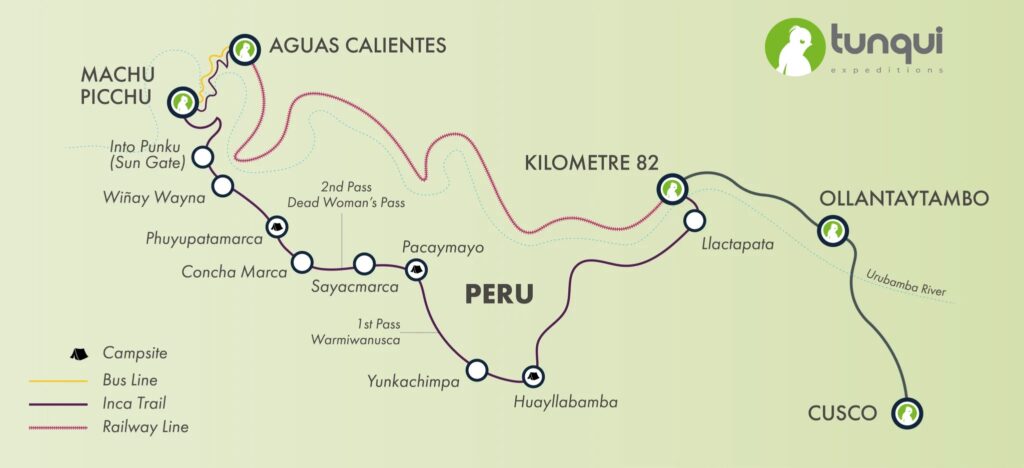
Today’s Inca Trail trek to Machu Picchu follows the famous 42-km section of the original Qhapaq Ñan (Capac Ñan) road that once united the Inca Empire. Traditionally, the Classic Inca Trail begins at Km 82 near Ollantaytambo. However, Tunqui Expeditions offers a unique experience: starting at Km 88, which allows trekkers to enjoy a more private, remote Inca Trail hike away from the usual crowds.
Unlike the typical 4-day Inca Trail route, Tunqui Expeditions has designed a 5-day Inca Trail trek. This extended itinerary offers better acclimatization, more time to explore archaeological sites, and a more relaxed pace to fully appreciate the Andean landscapes. Every step combines history, culture, and breathtaking scenery, culminating in the unforgettable arrival at Machu Picchu through the Sun Gate (Inti Punku).
For those planning their Inca Trail Peru adventure, securing Inca Trail permits in advance is essential. With Tunqui Expeditions’ personalized service, guided by experienced local experts such as Silvio Tunqui, travelers are assured not just of logistics but of authentic Andean hospitality throughout their journey.
Embarking on the Machu Picchu trek with Tunqui Expeditions means more than just walking a historic path—it is living a cultural legacy, supported by those who have preserved and walked these mountains for generations.
The Inca Trail trek to Machu Picchu is considered a moderate to challenging hike, depending on your fitness level and how well you acclimate to the high altitude. This world-renowned Machu Picchu trek covers approximately 42 km (26 miles) along ancient stone pathways built by the Incas, leading through cloud forests, high Andean passes, and remarkable archaeological sites before arriving at the iconic Sun Gate (Inti Punku).
One of the most important factors when evaluating the Inca Trail difficulty is altitude acclimatization. The Classic Inca Trail hike reaches elevations above 4,200 meters (13,800 ft) at the famous Dead Woman’s Pass. Trekkers who are accustomed to hiking at sea level often find the exertion at altitude far more demanding. Spending at least two to three days in Cusco or the Sacred Valley before starting the trek is highly recommended to allow the body to adjust.
In terms of itineraries, travelers can choose from:
Regardless of the route, most trekkers in reasonable physical condition can complete the Inca Trail hike with proper preparation. Training with long walks, stair climbing, or light mountain hikes before your trip can significantly improve comfort and endurance.
Another key point to consider is Inca Trail permits. Because access is restricted to a limited number of hikers per day, reservations must be made months in advance, especially during peak season. For those comparing Salkantay vs Inca Trail, remember that while the Salkantay trek offers stunning scenery, the Inca Trail Peru experience is unique because it allows entry to Machu Picchu through the original Inca pathways.
When deciding the best time to hike the Inca Trail, most travelers prefer the dry season (May to September) for clearer skies and safer conditions, although the trail is open year-round except in February when it closes for maintenance.
With Tunqui Expeditions, trekkers are supported every step of the way by experienced guides like Silvio Tunqui, who not only lead the journey but also share deep cultural insights. Their team of porters ensures that logistics, comfort, and service are handled with care, allowing travelers to focus on the adventure and the beauty of the Andes.
In conclusion, if you are wondering “What level of difficulty can I expect on the Inca Trail trek?”—the answer is that it is manageable for most people in good health, provided they prepare physically and allow time to acclimate. The rewards of walking in the footsteps of the Incas, surrounded by stunning landscapes and rich history, make every challenge worthwhile. With Tunqui Expeditions, this journey becomes not only achievable but unforgettable.
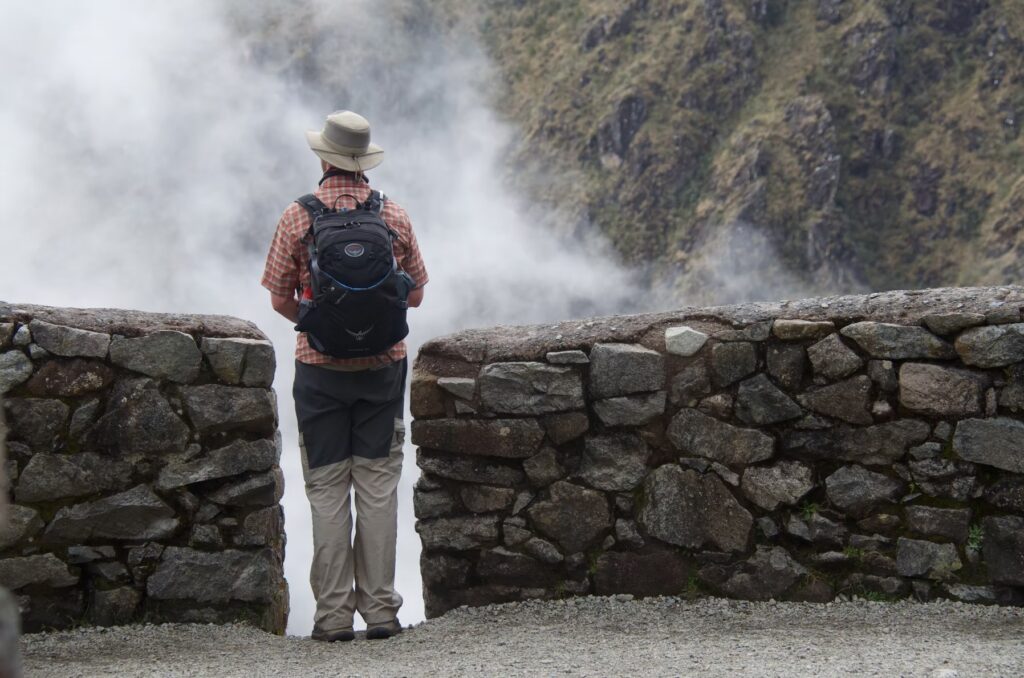
Travelers of all fitness levels can complete the Inca Trail trek, with the minimum recommended age being around 8 years old. There is no official maximum age limit. In fact, the oldest person known to have completed the trek was 78 years old. Ultimately, the ability to complete the trek depends less on age and more on individual fitness, self-assessment, and guidance from your physician.
While the Inca Trail hike is considered moderate overall, there are sections that can be especially demanding. On the second or third day, trekkers reach the highest point of the route, Dead Woman’s Pass, at 4,215 meters (13,828 ft). This steep climb is often described as the toughest ascent of the journey. Once you reach the summit, a long descent of stone steps follows, which can be taxing on the knees.
The most difficult downhill stretch is usually encountered on the fourth day, where hikers descend more than 3,650 feet on original Inca stone steps. This section can be particularly challenging for those with knee concerns.
To make the trek more manageable, Tunqui Expeditions and other experienced operators design itineraries with acclimatization in mind. The first day is relatively gentle, covering less than 10 km (about 6.2 miles), allowing hikers to adjust gradually. Spending a few days beforehand at similar altitudes in Cusco or the Sacred Valley is highly recommended, as it significantly reduces altitude-related difficulties.
With proper preparation and a moderate level of fitness, most trekkers find the Inca Trail trek to Machu Picchu not only achievable but immensely rewarding.
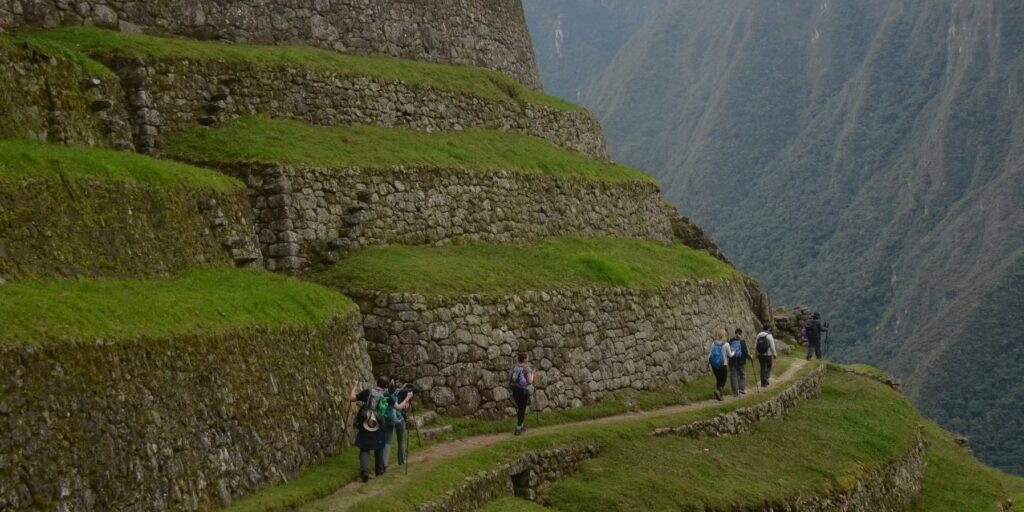
To protect the trail from erosion, overcrowding, and environmental damage, all visitors must secure an official Inca Trail permit before beginning the trek. These permits are issued by the Peruvian government and are available only through licensed Inca Trail tour operators. Every person on the trail—hikers, guides, and porters alike—must have a valid permit in order to access the route.
Because the Classic Inca Trail trek to Machu Picchu is one of the most popular hikes in the world, permits sell out quickly. This is especially true for peak season dates between May and August, when demand is at its highest. Trekkers are strongly advised to book their permits 3 to 6 months in advance to guarantee availability.
The Inca Trail permit system was introduced in 2000 after authorities determined that rapidly increasing traffic was threatening the integrity of the trail. Problems such as trash accumulation, trail erosion, and overcrowding prompted the government to regulate access in order to preserve this UNESCO World Heritage site for future generations.
Each day, only 500 permits are released:
This strict limit ensures that the Inca Trail hike remains both sustainable and authentic.
Reservations for the upcoming year open in October, and the most popular months (May, June, July, and August) often sell out within weeks. For example, May permits are often gone by January. Trekkers should always confirm availability before making any payments to an operator.
The trail is also closed every February for annual maintenance.
For those looking to avoid the crowds, consider trekking in April or November, at the beginning or end of the trekking season. These months are generally drier than the rainy season and offer fewer fellow hikers on the trail, making for a more peaceful Machu Picchu trek.
Only a limited list of certified companies can secure Inca Trail permits on behalf of their clients. Working with a trusted operator like Tunqui Expeditions ensures that permits, logistics, and support staff are arranged properly, giving you peace of mind as you prepare for your once-in-a-lifetime adventure on the Inca Trail Peru.
Many travelers ask: What is the best time to hike the Inca Trail? The answer depends on weather, availability, and personal preference.
The Inca Trail trek to Machu Picchu is open nearly year-round, but it closes every February for essential maintenance and conservation work. For the rest of the year, the trail is accessible, with each season offering unique conditions and experiences.
Trekkers should note that April and November tend to have fewer crowds, making them excellent months to enjoy a quieter, more intimate experience along the Classic Inca Trail. These shoulder months still offer relatively stable weather while avoiding the heavy demand of peak season.
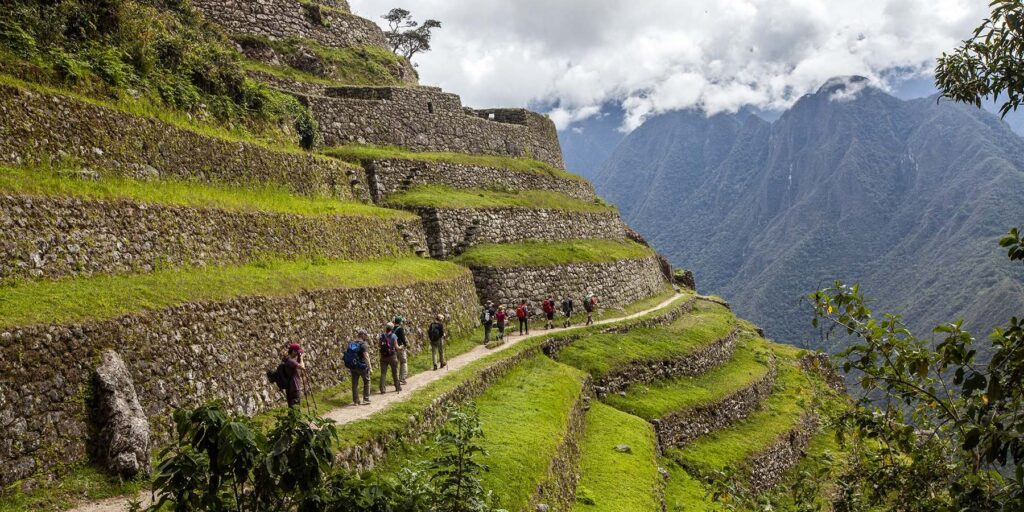
Traditionally, the rainy season runs from late December to March, but with the effects of climate change, weather patterns have become less predictable. Travelers should always check conditions in advance and plan accordingly.
Regardless of when you plan your Machu Picchu trek, remember that Inca Trail permits are limited to 500 per day (including guides and porters). Peak months like May, June, July, and August sell out quickly, so booking 3 to 6 months in advance is highly recommended.
If you’re looking for the best time to hike the Inca Trail with a balance of good weather and fewer crowds, April and November are excellent choices. For those who don’t mind more company on the trail, May through September provides the driest conditions and breathtaking views, making it the most popular season.
With Tunqui Expeditions, you’ll not only secure your permits on time but also experience the Inca Trail Peru with the guidance of expert local guides like Silvio Tunqui, ensuring an authentic and unforgettable journey.
The Inca Trail trek to Machu Picchu takes you through regions with multiple microclimates, which means the weather can change dramatically in a short period of time. You may start your hike under bright sunshine, quickly warm up, and shed layers—only to find clouds rolling in minutes later, followed by wind or even a sudden downpour.
Because of this, trekkers should always be prepared with waterproof gear, durable footwear, and layered clothing that can be adjusted as conditions shift.
Remember: the Inca Trail Peru is closed every February for maintenance.
When preparing for the Classic Inca Trail hike, it is highly recommended to dress in layers. This helps you adapt to fluctuating temperatures caused by sun, clouds, wind, and rain. Higher altitudes bring cooler weather, while the final approach to Machu Picchu passes through the cloud forest, where humidity increases.
Clothing & Layers
Footwear
Extras
Packing smart for your Inca Trail trek to Machu Picchu is just as important as training. By preparing for Inca Trail weather and bringing the right gear, you’ll stay comfortable throughout the hike and fully enjoy the journey.
With Tunqui Expeditions, trekkers benefit from expert guidance on what to pack, when to go, and how to make the most of their Machu Picchu trek.
When booking your Inca Trail trek to Machu Picchu, one of the most common questions is: What equipment will the tour company provide?
In most cases, professional Inca Trail tour operators supply the essential gear needed for a safe and enjoyable experience. This typically includes a tent and sleeping pad, as well as support from porters who may carry group gear and, in some cases, a portion of your personal belongings. Travelers are usually expected to carry only their daypack with items such as a rain jacket, water, sunscreen, snacks, and a camera.
However, policies can vary between companies. Some operators include porter services in their base price, while others charge extra. It is always important to confirm at the time of booking exactly what is included in your package.
One key item to check is the sleeping bag. Some companies provide them as part of the trek, while others require you to either rent one or bring your own. For hygiene and comfort, many travelers prefer to use a personal sleeping bag liner, even if renting.
Since regulations on the Inca Trail Peru require licensed companies to operate treks, always make sure you are booking with an authorized provider. Reliable operators such as Tunqui Expeditions ensure that all logistics, gear, and porter services are handled with care, leaving you free to focus on the incredible journey along the Classic Inca Trail hike.
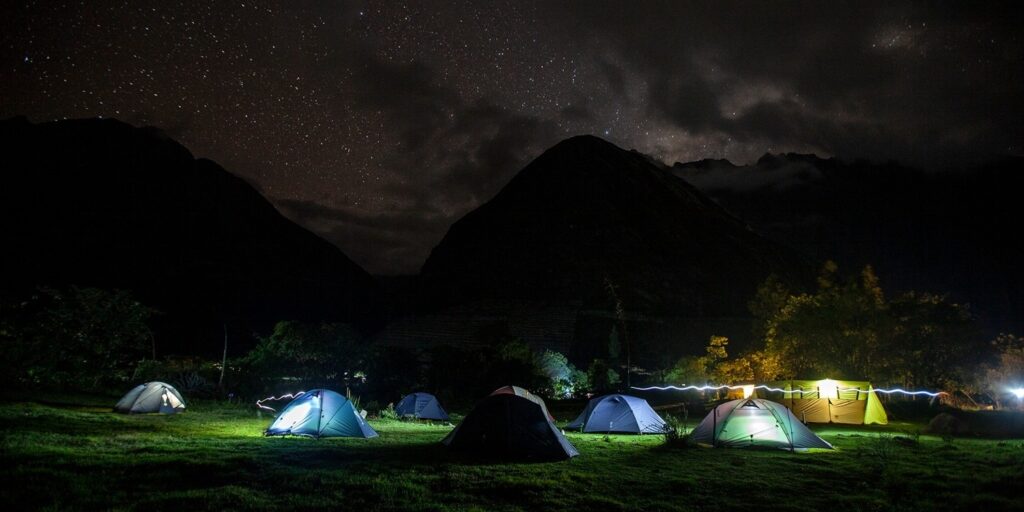
There are several ways to experience the Inca Trail trek to Machu Picchu, but the most common option is the Classic Inca Trail, a 4-day/3-night itinerary that covers approximately 42 km of ancient pathways. This version is offered by most operators and remains the most popular choice among trekkers.
At Tunqui Expeditions, however, we recommend a 5-day/4-night Inca Trail trek, which we believe offers a superior experience. Here’s why:
Whether you prefer the Classic 4-day Inca Trail hike or the extended 5-day Inca Trail trek, both routes offer unforgettable experiences. The difference lies in pacing, acclimatization, and how much time you want to spend at Machu Picchu.
With Tunqui Expeditions, your journey on the Inca Trail Peru is not just about reaching the destination but about fully immersing yourself in the Machu Picchu trek with fewer crowds, safer conditions, and more time to enjoy one of the most iconic hikes in the world.

 Español
  English