As a local guide who has spent more than a decade leading travelers to Machu Picchu, I’ve had the privilege of hiking both the Inca Trail and the Salkantay Trek many times. My name is Silvio Tunqui, founder of Tunqui Expeditions, and after years of exploring these trails, I know every curve, pass, and ancient step like the back of my hand.
Both treks are among the most iconic hikes in South America — and perhaps in the world. Each route takes you through breathtaking Andean landscapes, from snow-capped peaks to lush tropical valleys, before arriving at the majestic Machu Picchu, one of the Seven New Wonders of the World.
Choosing between the Inca Trail vs Salkantay Trek isn’t easy. They’re very different experiences, each with its own rewards. The Inca Trail follows the original stone pathways built by the ancient Incas and leads directly to Machu Picchu through the legendary Sun Gate (Inti Punku) — a moment that gives every hiker goosebumps.
The Salkantay Trek, on the other hand, is a wilder and less crowded alternative. It takes you across incredible high-altitude landscapes, including the stunning Humantay Lake and the towering Salkantay Mountain, before descending into the cloud forest. It’s perfect for adventurous travelers who love nature, challenge, and solitude.
When I first started guiding, I couldn’t decide which trek I loved more — so I decided to combine them. I’ve since led multiple groups on week-long expeditions that blend both routes, offering the history of the Inca Trail and the natural beauty of Salkantay in one unforgettable journey.
In this guide, I’ll share everything you need to know to choose the best trek for your travel style — or even how to do both.
Which Trek Is Right for You?
Choosing between the Inca Trail and the Salkantay Trek depends on the kind of experience you’re looking for — history, adventure, or a little bit of both.
As someone who has guided travelers on both routes for years, I can say each trek offers its own magic. The Inca Trail is a step back in time, following the sacred paths once walked by the ancient Incas. The Salkantay Trek, meanwhile, is a wilder, higher-altitude adventure through some of the most dramatic mountain scenery in the Andes.
And if you can’t decide between them, why not experience both? At Tunqui Expeditions, we’ve designed a 7-day combined route that lets you enjoy the cultural richness of the Inca Trail and the raw beauty of Salkantay in one unforgettable expedition.
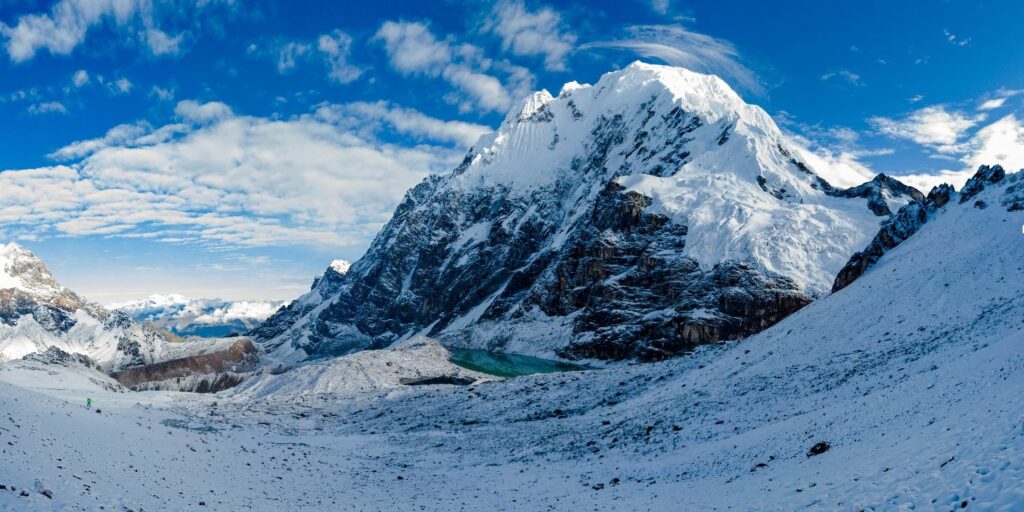
Salkantay Inca Chiriasca Pass
Quick Comparison: Inca Trail vs Salkantay Trek vs Combined Hike Trekking
Feature
Classic Inca Trail
Classic Salkantay Trek
Combination Trek (Inca + Salkantay)
Duration
4 days
5 days
7 days
Total Distance
26 miles (42 km)
46 miles (74 km)
50 miles (80 km)
Highest Altitude
4,215 m (13,828 ft)
4,600 m (15,090 ft)
5,000 m (16,400 ft)
Difficulty Level
Moderate
Challenging
Very Challenging
Facilities
Basic camping
Mix of cabins & camping
Mostly camping
Main Highlights
Ancient Inca ruins, history, and culture
Snow-capped peaks, high mountain passes, and scenic diversity
Best of both: history, mountain views, and an immersive Andean adventure
My Recommendation as a Local Guide
If you love history and culture, the Inca Trail is unbeatable — walking through centuries-old Inca ruins and arriving at Machu Picchu through the Sun Gate (Inti Punku) is an experience you’ll never forget.
If you’re seeking a challenge and breathtaking natural beauty, the Salkantay Trek will amaze you with its ever-changing landscapes — from glaciers to tropical forests.
And for true adventurers who want to experience it all, the 7-day Combined Trek offers the ultimate journey: a blend of Inca heritage, stunning mountain scenery, and authentic local culture that only a few travelers get to witness.
Inca Trail Trek Overview
The Inca Trail to Machu Picchu is one of the most legendary hikes on Earth — a once-in-a-lifetime journey that combines stunning mountain scenery, lush cloud forests, and ancient Inca ruins along the way.
Most travelers choose the classic 4-day Inca Trail trek, which includes three nights of camping and follows the exact footsteps of the ancient Incas. Each day offers a mix of history, culture, and breathtaking natural beauty. On the final morning, you’ll wake before sunrise to reach the iconic Sun Gate (Inti Punku) — the very spot where you’ll catch your first glimpse of Machu Picchu as the sun rises over the Andes. It’s a moment that every traveler remembers forever.
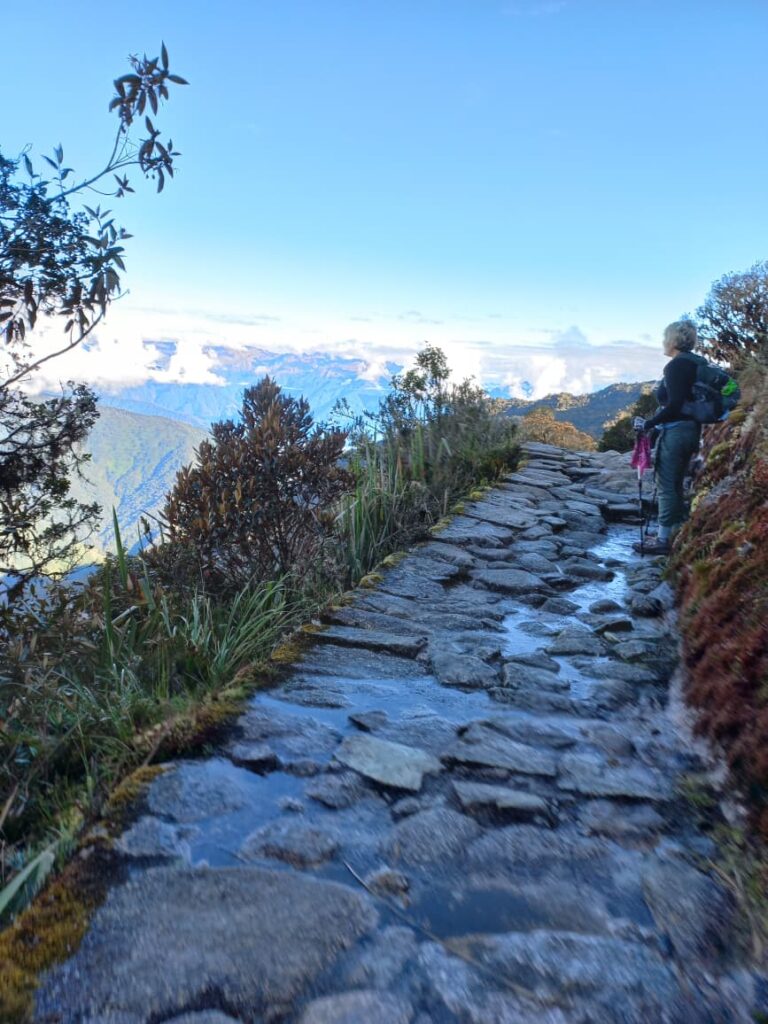
Inca Trail Original
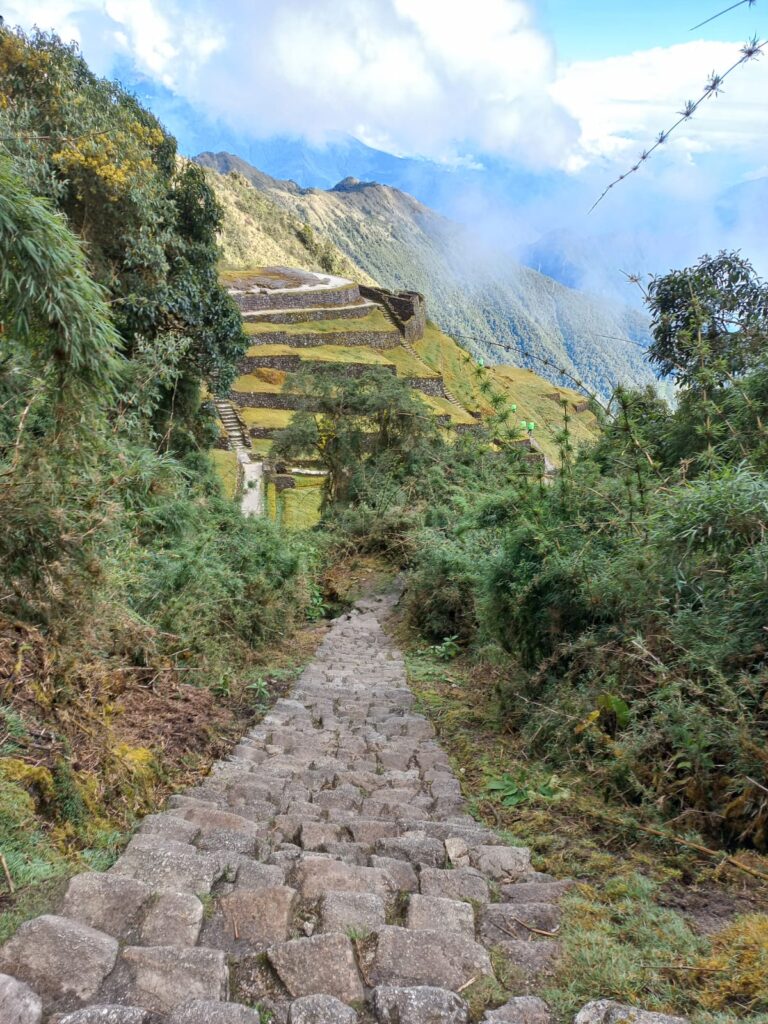
Phuyupatamarca Inca Site
“As a guide who has walked this path countless times, I can say the magic of seeing Machu Picchu appear through the morning mist never fades.” — Silvio Tunqui, Founder & Lead Guide at Tunqui Expeditions
Salkantay Trek Overview
The Salkantay Trekking is a spectacular alternative to the classic Inca Trail — a route that ventures deeper into the heart of the Andes and offers a more remote, authentic experience. Named after Mount Salkantay (6,271 m / 20,574 ft), one of the most sacred peaks in Inca mythology, this trek takes you through some of the most breathtaking and diverse landscapes in Peru.
Over the course of five days, you’ll journey around Salkantay Mountain, crossing dramatic high-altitude passes before descending into lush tropical valleys. On the final day, you’ll reach Aguas Calientes, the gateway to Machu Picchu, and visit the UNESCO World Heritage Site that crowns this incredible adventure.
Humantay Mountain
Salkantay Pampa
“The Salkantay Trek is one of my favorite routes — fewer crowds, stunning natural contrasts, and a true sense of connection with the mountains. Every step feels like discovery.” — Silvio Tunqui, Founder & Lead Guide at Tunqui Expeditions
Combined Salkantay and Inca Trail Trek
The Salkantay–Inca Trail Combination Trek is the ultimate adventure for hikers who want the best of both worlds — the wild beauty of the Salkantay Mountains and the historical wonder of the Inca Trail.
This unique 7-day expedition combines the first three days of the Salkantay Hike Trek with the final section of the classic Inca Trail Trek, leading directly to Machu Picchu through the iconic Sun Gate (Inti Punku). It’s a challenging yet deeply rewarding journey that captures the full spirit of the Andes — from remote high-altitude passes and turquoise glacial lakes to ancient Inca ruins hidden deep in the cloud forest.
“This combined route is one of my all-time favorite hikes. It brings together the adventure of Salkantay and the history of the Inca Trail — an experience that few travelers ever get to live.” — Silvio Tunqui, Founder & Lead Guide at Tunqui Expeditions
A mix of dirt, gravel, rocky trails, mountain passes, and ancient stone steps
Accommodation
Combination of camping and mountain cabins (varies by tour operator)
Difficulty
Very challenging — suitable for experienced or well-conditioned hikers
Permits Required
✅ Yes — for the Inca Trail section (limited availability)
Why Choose the Combined Trek
This route is ideal for adventurous travelers who want to experience both the natural diversity of the Salkantay region and the cultural heritage of the Inca Trail — without having to choose between them.
You’ll hike through glacial valleys, tropical cloud forests, and ancient Inca ruins, encountering breathtaking views at every turn. The journey ends with the unforgettable arrival at Machu Picchu, a fitting reward after seven days of exploration through some of the most dramatic landscapes in Peru.
At Tunqui Expeditions, our combined trek is guided by local experts who ensure your safety, comfort, and connection with the land. Every expedition includes full logistical support, high-quality camping equipment, and deep cultural insights that only a native guide can provide.
Altitude on the Inca Trail vs. Salkantay Trek: What to Expect
Altitude is one of the biggest challenges when trekking to Machu Picchu, and understanding it is key to having a safe and enjoyable experience. We always recommend arriving in Cusco at least two days before your trek, staying hydrated, eating light, and carrying Diamox or coca leaves to help with acclimatization.
Inca Trail Altitude
The Inca TrailTrek reaches a maximum altitude of 4,215 m (13,829 ft) at the famous Dead Woman’s Pass or Warmiwañusca, followed by Runkurqay Pass at 4,000 m (13,123 ft). While it’s slightly lower than Salkantay, hikers spend several days above 3,000 m (9,800 ft) — which can still cause mild altitude symptoms. With proper preparation, most travelers handle it without serious issues.
Salkantay Trek Altitude
The Salkantay Trek Tour climbs higher, peaking at 4,630 m (15,190 ft). This makes it more challenging in terms of altitude, though you’ll only spend two days at high elevation. After crossing the Salkantay Pass, the trail descends into the lush cloud forest, where the altitude drops to about 2,600 m (8,530 ft) and the weather turns warm and pleasant.
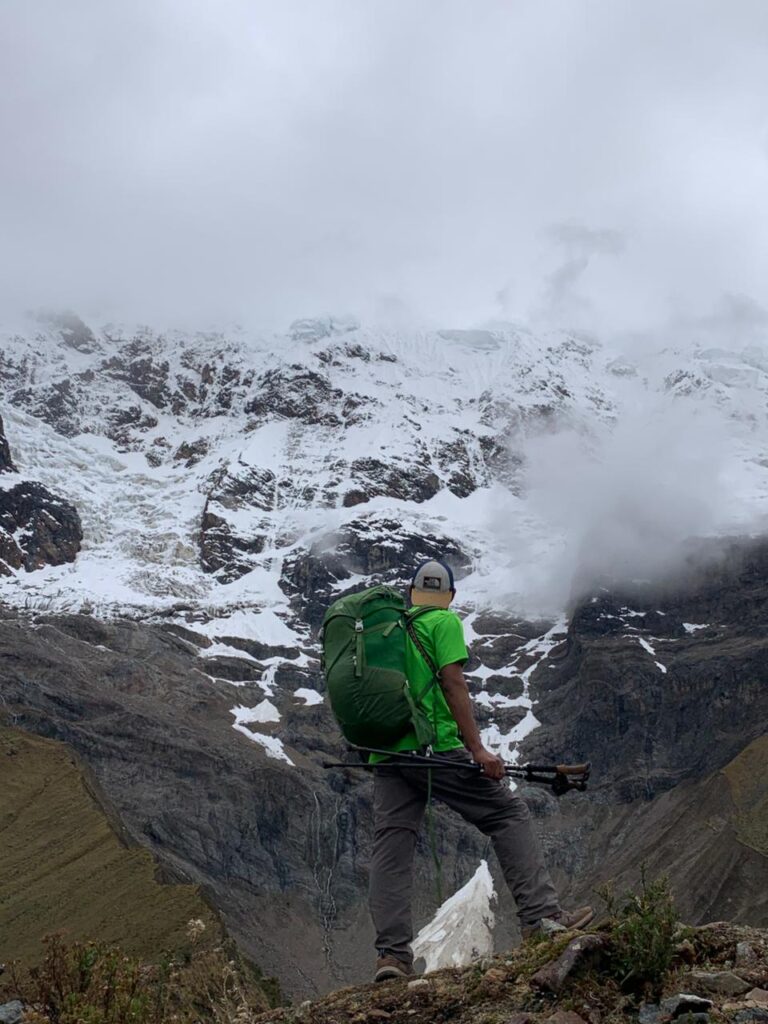
Salkantay Mountain
“Altitude is part of the adventure — respect it, prepare for it, and it will reward you with unforgettable views.” — Silvio Tunqui, Founder & Lead Guide at Tunqui Expeditions
Salkantay or Inca Trail: Which Is Better?
Of course, not every traveler has the time — or the stamina — for a seven-day expedition. If you can only choose one trek to Machu Picchu, here’s how the Classic Salkantay Trek and the Famous Inca Trail compare when it comes to scenery and overall experience.
Best Scenery
It’s almost impossible to declare one trek “better” than the other — both offer spectacular, world-class landscapes, yet they are entirely different experiences. Despite being geographically close, each route reveals a unique side of the Andes.
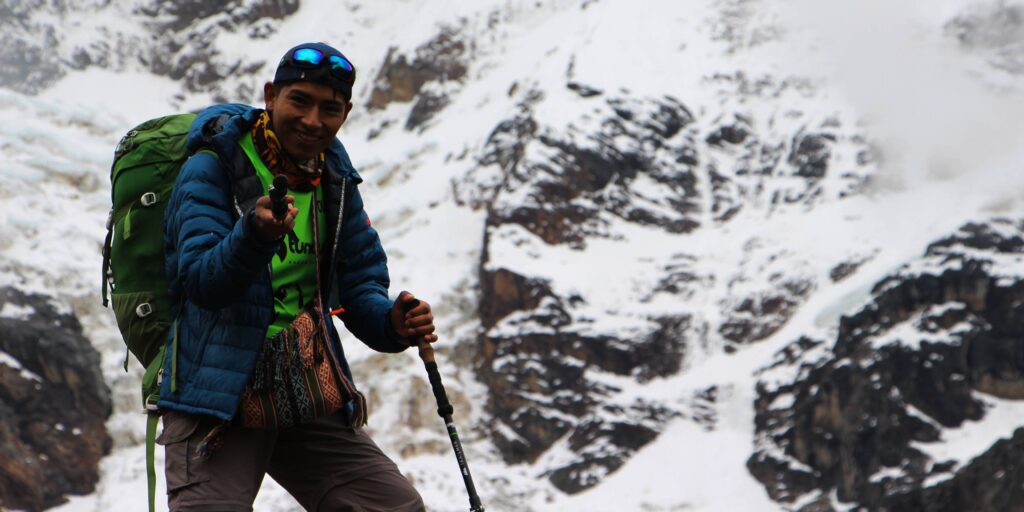
The Salkantay Adventure ventures higher into the mountains, immersing you in wild, untamed beauty. You’ll hike beneath towering glaciers, cross dramatic high-altitude passes, and visit brilliant turquoise lakes such as the stunning Humantay Lagoon. At night, the sky fills with countless stars — a reminder of just how remote and pure this landscape truly is.
The Inca TrailExpedition, by contrast, stays at a slightly lower elevation and winds through the lush cloud forests and subtropical jungles that surround Machu Picchu. Along the way, you’ll pass ancient Inca ruins draped in mist and enjoy sweeping views of the Urubamba River Valley. One of my favorite moments on the trail is Day 3, just before reaching camp — the view over the valley is absolutely breathtaking.
Both treks offer incredible scenery, but in different ways. The Legendary Inca Trail connects you deeply with history and the mystery of the Incas, while the Ultimate Salkantay Trek overwhelms you with raw natural grandeur.
“While the Inca Trail is beautiful and rich in culture, nothing compares to standing beneath Mount Salkantay — surrounded by glaciers, lagoons, and the wild silence of the Andes. If you want nature that constantly takes your breath away, the Salkantay Trek is my top recommendation.” — Silvio Tunqui, Founder & Lead Guide at Tunqui Expeditions
Unforgettable Highlights: The Magic of the Inca Trail and Salkantay Trek
Both the Inca Path Trek and the Salkantay Trail are filled with moments that stay with you for a lifetime. From standing at the turquoise shores of Humantay Lagoon to conquering the high-altitude Salkantay Pass, every day on these routes brings new challenges, stunning scenery, and powerful rewards.
On the Salkantay Trek, the landscapes change dramatically — from glaciers and snow-capped peaks to tropical forests and lush valleys. The feeling of isolation in the mountains, surrounded by raw nature and endless stars, is something every adventure traveler dreams of.
Still, if I had to choose the single most unforgettable experience, it would be reaching the Sun Gate (Inti Punku) at sunrise during the Inca Trail.
After 3 to 6 days of hiking through ancient Inca ruins and misty cloud forests, you leave your final campsite around 3 a.m. and climb to the Sun Gate. When the first rays of light illuminate Machu Picchu below, the sense of accomplishment and wonder is indescribable. It’s a once-in-a-lifetime moment — and something you can only experience on the Inca Trail.
“After guiding hundreds of travelers over the years, I can say the magic of watching the sunrise over Machu Picchu from the Sun Gate never fades. It’s the kind of memory that stays with you forever.” — Silvio Tunqui, Founder & Lead Guide at Tunqui Expeditions
By contrast, the Salkantay Route ends differently but no less impressively — you’ll spend your last night in Aguas Calientes, the town at the base of Machu Picchu, and visit the citadel early the next morning as it opens. It’s a more relaxed and immersive way to experience the Lost City, after days of adventure deep in the Andes.
Whether you choose the Inca Trail for its history and spiritual significance, or the Salkantay Trek for its wild beauty and variety, both offer magical moments that make the journey to Machu Picchu truly unforgettable.
Comfort & Accommodation: Where You’ll Sleep on the Trail
While both the Inca TrailExpedition and the Salkantay Journey take you deep into the Andes, the level of comfort and facilities varies greatly between the two routes.
On the Inca Trail to Machu Picchu, accommodation is simple and traditional — three nights of camping at designated campsites. Facilities are basic, often limited to toilets and occasional cold showers. During the high season, camps can feel crowded and less hygienic, as hundreds of trekkers share the same limited spaces.
The Salkantay SustainableTrek, by contrast, offers a variety of comfort levels depending on the operator — but at Tunqui Expeditions, we believe in staying true to the real spirit of trekking. We operate exclusively with high-quality, sustainable camping equipment, providing comfort while maintaining a genuine connection with nature.
Our goal is not luxury lodges, but authentic trekking experiences — where you sleep under the stars, surrounded by the Andes, guided by local experts who know every path by heart. Whether you choose the Salkantay Trail or the Inca TrailTrekking, we ensure top-tier service, responsible practices, and the warm hospitality that defines a true Andean adventure.
During the combined Salkantay–Inca Trail route, most nights are spent camping, though the first night may be in scenic eco-lodges surrounded by breathtaking views. Even with fewer facilities, Salkantay camping often feels more peaceful and authentic, thanks to its remote and uncrowded setting.
“On the Salkantay, you fall asleep under a million stars — in silence. On the Inca Trail, you fall asleep surrounded by history. Both are unforgettable in their own way.” — Silvio Tunqui, Founder & Lead Guide at Tunqui Expeditions
Best for History and Culture: The Inca Trail Wins
Both the Inca Trail Route and the Salkantay Trek Tour lead to the world-famous Machu Picchu, one of the Seven New Wonders of the World. But when it comes to Inca history and archaeology, the Inca Trail is truly unmatched.
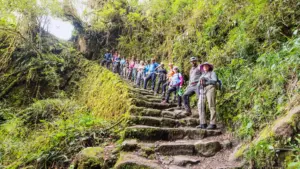
Along the route, hikers pass several well-preserved Inca ruins, including Intipata, Wiñay Wayna, and smaller ancient settlements that reveal how the Incas once lived and traveled through the Andes. Walking these sacred stone paths feels like stepping back in time — following the very footsteps of the Inca civilization.
The Classic Salkantay does include a few archaeological sites, but none as significant or visually striking as those on the Inca Trail. Salkantay is more about natural beauty and adventure, while the Inca Trail is a living museum of Andean heritage.
Easiest Trek: Inca Trail Is More Manageable
Neither the Inca TrailHike nor the Salkantay can be considered easy — both require preparation, stamina, and a good level of fitness. However, if we compare the two, the Inca Trail is generally more manageable for most travelers.
The Salkantay Trek reaches much higher altitudes, with passes around 4,600 meters (15,090 ft) — and in some routes, nearly 5,000 meters (16,400 ft). In contrast, the highest point on the Inca Trail, Dead Woman’s Pass, sits at 4,215 meters (13,828 ft). While still challenging, it’s slightly less extreme in elevation, making it easier on the body.
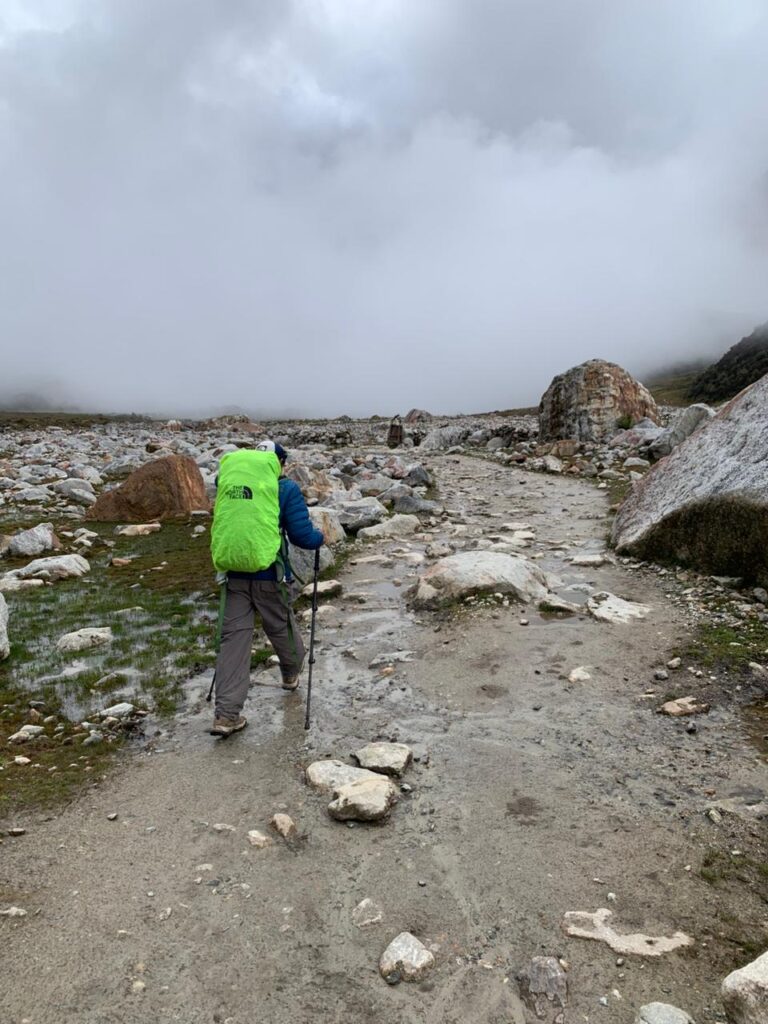
The terrain also plays a big role. The Inca Trail follows well-preserved stone paths and stairways, making it more consistent, though tough on the knees. The Salkantay Trail, meanwhile, involves mixed terrain — dirt, gravel, mud, loose rocks, and steep climbs — which can make it more demanding, especially on long hiking days (up to nine hours).
“For most travelers, the Inca Trail offers a moderate challenge with rewarding scenery and a clear rhythm. The Salkantay Trek is for those seeking a tougher, high-altitude adventure.” — Silvio Tunqui, Founder & Lead Guide at Tunqui Expeditions
Best for Budget Travelers: Salkantay Trek Is More Affordable
When it comes to cost, the Salkantay is the clear winner. The Inca Trail is one of the most famous hikes in the world — and its popularity comes with a higher price tag.
Most Inca Trail tours cost between $650 and $900 USD for the classic 4-day trek. This usually includes transportation (train back from Aguas Calientes), professional guides, porters, camping equipment, all meals, and your Machu Picchu entry ticket. While expensive, it offers excellent value and a guaranteed permit to visit the historic site.
In comparison, the Salkantay can be much cheaper — with prices starting around $180–$300 USD for basic packages. However, travelers should always verify what’s included, as many low-cost options exclude Machu Picchu entry tickets or return train fare.
Best for Last-Minute Planning: Choose the Salkantay Trek
If you’re hoping to plan a trek to Machu Picchu at the last minute, the Salkantay Adventure is your best option. Unlike the Inca Trail, it doesn’t require a government-issued permit, meaning you can often book just a few days in advance — even during the high season. Many local operators, including Tunqui Expeditions, offer last-minute departures with full logistical support.
The Inca TrailExpedition, however, operates under a strict permit system. Only 500 permits are available per day (including guides and porters), and they often sell out months in advance, especially between June and September. If you plan to hike during this peak period, you should book your spot at least 6–8 months ahead. Permits for the following year are typically released in October or November.
Even though the Salkantay Trek is easier to book spontaneously, travelers should remember that Machu Picchu entry tickets can also sell out weeks in advance — particularly in the high season. Booking early ensures you won’t have to wait extra days in Aguas Calientes for entry availability.
Best for Avoiding Crowds: Salkantay Trek Offers More Solitude
If you’re looking for a more peaceful trek to Machu Picchu, the Salkantay Trek is the clear winner. While the Inca Trail is limited by a permit system, it’s still one of the most popular hiking routes in the world — and even with daily caps, it can feel busy, especially during the peak season (June to September).
The Salkantay Route, on the other hand, provides a much quieter and more flexible experience. Most operators have private campsites or exclusive routes, which means you’ll rarely encounter other groups on the trail. The only place you might see more travelers is at Humantay Lagoon, a popular day-trip destination from Cusco.
When I hiked the Inca Trail in August, it was packed — the views were spectacular, but the camps felt crowded and less personal. In contrast, hiking Salkantay felt remote, wild, and peaceful — surrounded only by nature, mountains, and the sound of the wind.
Best Scenery: Salkantay Trek Steals the Show
It’s nearly impossible to compare the scenery of the Inca Trail and the Salkantay Trek — both are breathtaking, yet completely different experiences.
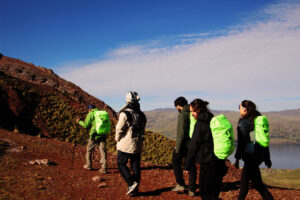
The Salkantay Trek climbs higher into the Andes, taking you through remote, dramatic landscapes. You’ll hike beneath towering glaciers, cross high mountain passes, and visit turquoise lakes like Humantay Lagoon. At night, the sky fills with countless stars, and the silence of the mountains creates a sense of pure magic.
The Inca Trail, on the other hand, sits slightly lower in elevation. It blends lush jungle and cloud forest, with sweeping views of the Urubamba River Valley. One of my favorite moments on the trail is Day 3, when the mist lifts to reveal the valleys and ancient terraces below — it’s truly unforgettable.
Still, if you’re after the most dramatic and varied scenery, the Salkantay Trek takes the win. Its glaciers, lagoons, and wild landscapes make it one of the most visually stunning routes in all of Peru.
Where You’ll Sleep: Inca Trail vs. Salkantay Trek
Inca Trail Expedition Accommodation
On the Inca Trail, camping is the only option. Everything — from tents and cooking gear to food — is carried by skilled porters, who make the trek possible for hikers. You’ll spend three nights camping at designated sites, with access to basic toilets at camps and lunch stops. Some operators, like Tunqui Expeditions, provide private portable toilets for added comfort and hygiene.
Salkantay Trek Accommodation
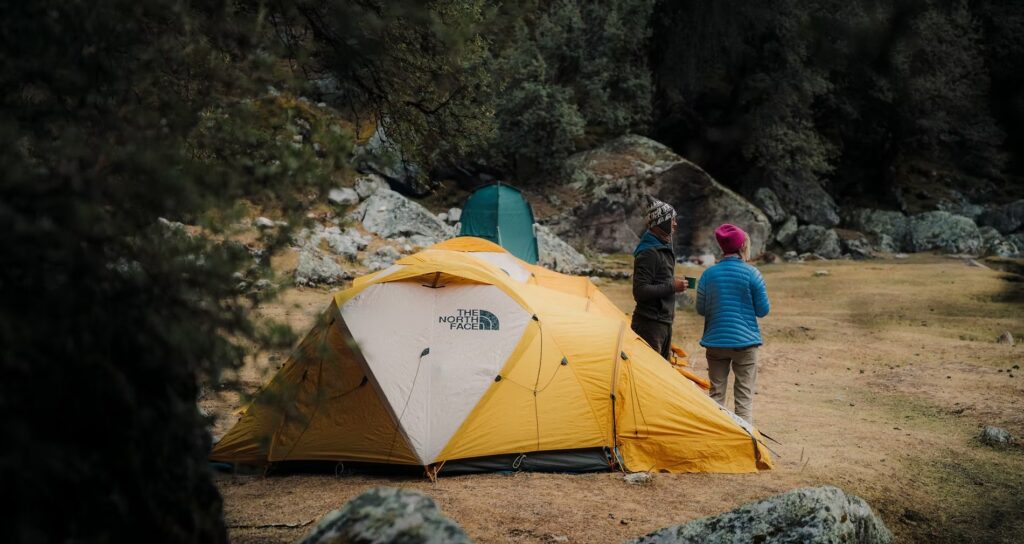
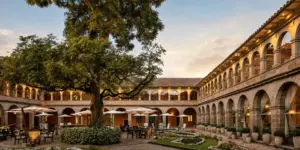
The Salkantay Trek offers more flexibility and comfort. You can choose between traditional camping or lodge-to-lodge stays, depending on your tour. Most five-day itineraries include three nights of camping and one night in a hotel in Aguas Calientes before visiting Machu Picchu. Campsites on the Salkantay are usually spacious and quiet, with clear skies perfect for stargazing — a magical reward after a long day of hiking.
Every Detail, Designed for Your Comfort
Final Thoughts: Which Trek Is Right for You?
I hope this guide has helped you better understand the differences between the Inca Trail and the Salkantay Trek. As someone who has guided both routes many times, I can tell you that there’s no single “best” option — it really depends on what kind of experience you’re looking for.
Here’s a quick summary to help you decide:
The Inca Trail Is Right for You If:
You want to enter Machu Picchu through the iconic Sun Gate (Inti Punku)
You’re passionate about Inca history and archaeology
You can plan your trip several months in advance (permits sell out fast!)
You dream of walking the original Inca path used for centuries
You prefer cultural and historical depth over mountain wilderness
The Salkantay Trek Is Right for You If:
You want to avoid the crowds and experience more solitude
You’re planning last-minute and want flexibility
You love high mountain landscapes, glaciers, and lagoons
You’re less focused on history and more on natural beauty
You’re traveling on a smaller budget but still want an epic adventure
If you have the time and energy, the combined Salkantay–Inca Trail is the ultimate journey — offering the best of both worlds: the wild beauty of Salkantay and the sacred history of the Inca Trail.
For travelers looking for something even more remote, I also recommend the Lares Trek or the Quarry Trail, both beautiful alternatives that offer incredible views and far fewer tourists.
Whatever you choose, your trek to Machu Picchu will be a life-changing experience. I’ve guided hundreds of travelers through these mountains, and every single one returns home inspired by the energy of the Andes and the spirit of the Inca.
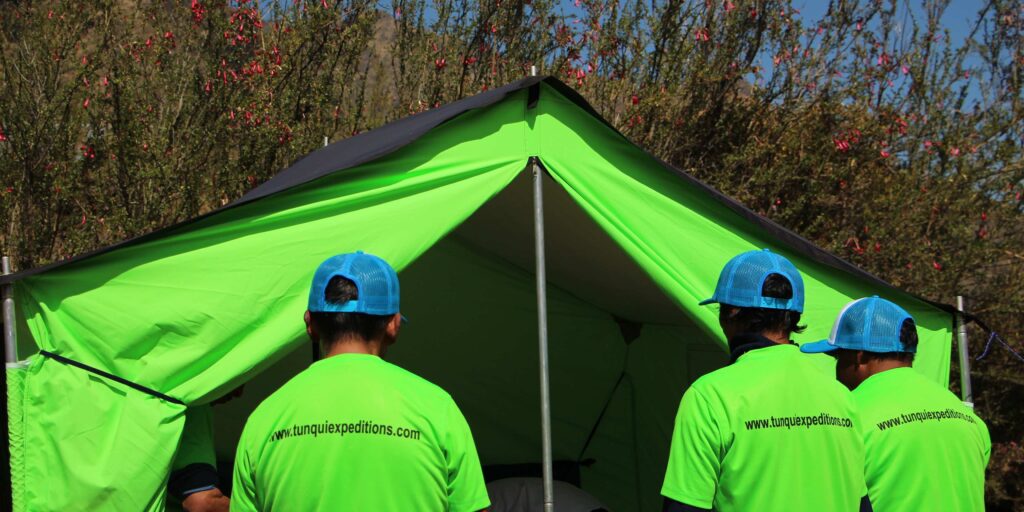
Skilled and Dedicated Team
“The mountains of Peru have a soul — and every step you take brings you closer to it.” — Silvio Tunqui, Founder & Lead Guide at Tunqui Expeditions
Ready to plan your own trek? Join us at Tunqui Expeditions — a 100% locally owned and operated company offering authentic, sustainable treks to Machu Picchu and beyond.

 Español
  English