 Español
  English


If you’re planning to hike the legendary Inca Trail in January, get ready for a unique experience filled with lush landscapes, misty mountains, and far fewer crowds. January marks the peak of the rainy season in Peru, especially around Cusco and Machu Picchu, which means you’ll likely face frequent showers, muddy trails, and cloudy skies — but also vibrant green valleys and peaceful ruins with almost no tourists around.
While many travelers avoid January because of the weather, adventurous trekkers often find it one of the most rewarding months to hike the Inca Trail. The rains bring the Andean scenery to life, the air feels fresh and clean, and the iconic sites along the trail — such as Wiñay Wayna and Inti Punku (Sun Gate) — feel more mystical under the soft mist.
However, it’s important to be prepared. Expect warm days and humid conditions, followed by cool nights and sudden downpours. Proper gear, waterproof clothing, and a flexible attitude are key to enjoying your trek this time of year.
Whether you’re a seasoned hiker seeking solitude or a first-time visitor drawn to the magic of Machu Picchu, January offers a quieter, greener, and more intimate version of the Inca Trail — if you’re ready to embrace the rain.
Why Trek the Inca Trail in January?
Hiking the Inca Trail in January can be a bold and rewarding decision. January falls in the middle of the rainy season in the Peruvian Andes, which often deters many travelers, but for those who don’t mind a little adventure (and mud), it can be an unforgettable experience.
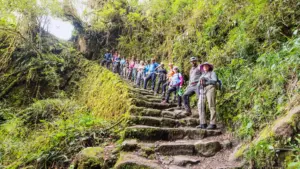
One of the main reasons to hike the Inca Trail in January is solitude. With fewer visitors, you will have the rare opportunity to hike this ancient trail in peace: no long lines at checkpoints, quieter campsites, and more time to immerse yourself in the spiritual energy of the Andes. The mountainous landscape turns intensely green, the air is fresh, and waterfalls appear along the way, creating a magical atmosphere that is difficult to find during the busier months.
However, the downside is obvious: it rains frequently, sometimes heavily. Trails can become slippery and visibility can be limited due to fog or mist. It is also the time when landslides or trail maintenance may occur, so flexibility is essential.
That said, if you come well prepared with waterproof gear, proper hiking boots, and a sense of adventure, January can be a surprisingly good month to experience the Inca Trail in its most natural and unspoiled form. For many, the trade-off—fewer people for a little more rain—is totally worth it.
Weather on the Inca Trail in January
If you plan to hike the Inca Trail in January, you will be doing so during the rainiest month of the year in the Peruvian Andes. January is part of the rainy season, which usually runs from November to March. Be prepared for frequent rain, cloudy skies, and lush green landscapes—a combination that creates challenges and incredible beauty along the trail.
Rain and humidity:
Rain is a daily occurrence in January, usually in short, intense bursts followed by light drizzle. Mornings may start out dry and cool, but by midday or afternoon, rain is almost guaranteed. High humidity makes the air feel warmer than it is and keeps your gear damp if you don’t protect it properly. Waterproof covers and quick-drying clothing are essential.
Average temperatures:
Despite the rain, temperatures are relatively mild. Days are warm and humid, while nights can be cool, especially at higher altitudes such as the Dead Woman’s Pass (Warmiwañusca). Below is an approximate temperature range:
| Location | Daytime (°C / °F) | Nighttime (°C / °F) |
|---|---|---|
| Cusco | 19°C / 66°F | 7°C / 45°F |
| Inca Trail (average) | 18–22°C / 64–72°F | 5–10°C / 41–50°F |
| Machu Picchu | 22–25°C / 72–77°F | 10–13°C / 50–55°F |
Even though it rains often, you’ll still get moments of sunshine — which can make the trail slippery and humid, so proper hiking boots with good grip are essential.
What to Pack for January Weather
Packing smart can make all the difference when trekking during the rainy season. Here’s what you should definitely include:
- Waterproof hiking boots with solid traction
- Lightweight rain jacket or poncho
- Quick-dry clothing (avoid cotton)
- Backpack rain cover
- Plastic bags or dry sacks for electronics and clothing
- Warm layers for cold nights (especially at high campsites)
- Trekking poles to help with slippery sections
- Insect repellent (mosquitoes are more active in humid months)
While the rain can make conditions unpredictable, it also transforms the trail — waterfalls cascade down the mountains, wildflowers bloom, and the Andes appear more alive than ever. For many, this combination of challenge and beauty makes January a truly special month to hike the Inca Trail.
Pros of Hiking the Inca Trail in January
While January is often labeled as the rainy season in Peru, it comes with several unique advantages that make it a surprisingly appealing time to experience the Inca Trail. For travelers who don’t mind a little rain and love nature in its purest form, January offers some of the most authentic, peaceful, and scenic trekking conditions of the year.
Fewer Crowds, More Serenity:
January is considered the low season for tourism in Cusco and Machu Picchu. With fewer hikers on the trail, you’ll enjoy a much quieter journey — no rush at campsites, no waiting lines at archaeological checkpoints, and plenty of time to absorb the mystical atmosphere of the Andes. You’ll often have iconic sites like Wiñay Wayna or even Inti Punku (the Sun Gate) almost to yourself.
Lush, Vibrant Landscapes:
The rains breathe life into the Sacred Valley. Everything turns greener, waterfalls spill down the cliffs, and the flora blooms in vivid color. For nature lovers and photographers, January offers the most picturesque version of the Inca Trail — a living postcard of the Andean highlands.
Ideal for Photography and Adventure Seekers:
Clouds and mist may hide the mountains briefly, but when the skies clear, you get dramatic, moody lighting — perfect for capturing surreal landscapes and mystical ruins. The contrast between the green mountains, the ancient stone paths, and the cloudy skies gives your photos a cinematic quality.
Lower Prices and Easier Availability:
Because January is not peak season, permits, flights, and accommodations tend to be easier to find and often less expensive. You can usually secure your Inca Trail permit without months of waiting, unlike during the dry season (May–September), when spots sell out quickly.
A More Authentic and Personal Experience:
With fewer groups and tour buses, you’ll interact more closely with local guides, porters, and fellow trekkers. The slower pace allows for a deeper connection to the history, culture, and spirituality of the Inca Trail — something that can get lost during busier months.
Cons of Hiking the Inca Trail in January
While January offers a quieter and more colorful version of the Inca Trail, it also comes with several challenges that are important to understand before booking your trek. As this is the wettest month of the year in the Andes, the weather, terrain, and logistics can test even experienced hikers.
Heavy Rain and Unpredictable Weather:
January is the peak of the rainy season in Peru. Expect daily rain showers — sometimes light and refreshing, other times heavy and relentless. Sudden storms can make sections of the trail muddy, slippery, and difficult to navigate. The weather can also change rapidly: one moment you’re hiking under clear skies, and the next you’re drenched in rain and fog.
Slippery and Muddy Trails:
Continuous rainfall means the stone paths of the Inca Trail can become slick and dangerous. Some steep descents, especially after Dead Woman’s Pass (Warmiwañusca), are challenging to cross safely. Waterproof boots with excellent grip and trekking poles are essential, but even then, progress can be slow and tiring.
Limited Visibility and Fewer Panoramic Views:
One of the highlights of trekking the Inca Trail is seeing the breathtaking Andean vistas, but in January, mist and fog often obscure those views. While the cloud cover creates a mysterious, mystical atmosphere, it can also mean missing the sweeping landscapes and sunrise moments that many travelers dream of.
Risk of Trail Closures or Delays:
Although the Inca Trail officially closes in February for maintenance, heavy rains in late January can sometimes cause temporary closures or landslides along the route. This can lead to unexpected detours, delayed departures, or canceled treks. Booking with a reputable tour operator that monitors weather conditions is highly recommended.
More Insects and Humidity:
The combination of rain and warmth creates ideal conditions for mosquitoes and sandflies, especially near lower altitudes and jungle areas. You’ll need strong insect repellent and long-sleeve clothing to avoid bites and discomfort.
Packing Becomes More Complicated:
Because of the humidity and frequent rain, keeping your gear dry can be a constant struggle. Even with waterproof covers, moisture tends to seep in, so you’ll need extra dry bags and spare clothing. Your backpack will likely feel heavier due to wet gear.
Recommendations for January Hikers
Trekking the Inca Trail in January can be a magical experience — but only if you’re well-prepared for the challenges of the rainy season. The weather, terrain, and logistics require careful planning. Here are the most important tips and recommendations to help you make the most of your hike this month.
Choose a Reliable Tour Operator:
Because of the unpredictable weather, it’s crucial to book with a licensed and experienced tour company. Reputable operators monitor trail conditions, provide quality gear (like waterproof tents), and can adjust itineraries safely if there are delays or landslides. Always check reviews and ensure the company is officially authorized by the Peruvian government to operate on the Inca Trail.
Pack Smart for Rainy Conditions:
Waterproof gear will make or break your trek in January. Don’t rely solely on ponchos — bring a lightweight rain jacket, backpack cover, and dry bags for clothes and electronics. Pack quick-dry shirts and pants, extra socks, and good-quality hiking boots with traction.
Pro tip: line the inside of your backpack with a large plastic garbage bag for double protection.
Prepare for Changing Weather:
January weather on the Inca Trail can shift from warm sunshine to cold rain in minutes. Dress in layers — moisture-wicking base layers, an insulating mid-layer, and a waterproof shell on top. Nights at high altitudes can drop below 5°C (41°F), so pack a warm sleeping bag rated for cold weather.
Be Flexible With Your Schedule:
Because of possible weather delays or temporary closures, avoid booking tight connections (like flights or trains) immediately after your trek. Leave at least one or two buffer days in Cusco in case your trek ends later than planned.
Protect Yourself From Insects:
The humid conditions attract mosquitoes and sandflies, especially near Aguas Calientes and jungle sections of the trail. Bring strong insect repellent, wear long sleeves and pants, and avoid scented lotions or perfumes that can attract bugs.
Train and Acclimatize Before the Trek:
Even though January is cooler and less crowded, the Inca Trail’s altitude (up to 4,215 meters / 13,828 ft) still poses a challenge. Spend 2–3 days in Cusco before your hike to acclimate, drink plenty of water, and avoid alcohol. Light training (hiking uphill or stair climbing) beforehand will make your trek much more enjoyable.
Embrace the Experience:
Finally, remember that January hiking means embracing imperfection and spontaneity. Yes, it will rain — sometimes a lot — but it also means having the Andes almost to yourself. The quiet trails, vibrant landscapes, and dramatic skies often make the journey even more spiritual and personal.
Why Do People Still Trek the Inca Trail in January?
Despite the heavy rains, many travelers still choose to hike the Inca Trail in January for its peaceful atmosphere, lush landscapes, and cultural depth. With fewer crowds, the ancient path feels more spiritual and authentic — a rare chance to connect with nature and history in solitude.
The green scenery, blooming wildflowers, and mist-covered ruins make the journey visually stunning, while lower prices and easier permit availability attract budget-conscious adventurers. For those who embrace the rain, January offers a quieter, more intimate Machu Picchu experience unlike any other time of year.
Is It Safe to Visit Machu Picchu in January?
Yes — Machu Picchu is open and safe to visit in January, as long as you’re prepared for rainy and humid conditions. January is part of the wet season in the Andes, but it’s not considered dangerous. The main challenges are slippery paths, occasional train delays, and limited visibility due to fog or rain.
Most visitors reach Machu Picchu safely either by train from Cusco or Ollantaytambo or after completing the Inca Trail trek. The site itself remains fully operational, though some hiking routes (like the Inca Trail) can experience temporary restrictions if landslides occur.
Safety Tips for Visiting Machu Picchu in January
- Wear non-slip shoes — stone steps can be slick after rain.
- Carry a lightweight rain poncho and protect your camera or phone with waterproof covers.
- Check train and bus schedules in advance, as heavy rain can sometimes delay transportation.
- Visit early in the morning when the weather is often clearer.
- Book with a reputable tour operator that monitors weather conditions and ensures safe routes.
While January brings rain and mist, it also creates a beautifully mystical atmosphere around Machu Picchu — with fewer crowds and vibrant, green mountains. For travelers who plan well, it’s a safe and rewarding time to visit this world wonder.
Best Time of Year to Trek the Inca Trail
The Inca Trail is open year-round, except during February, when it closes for maintenance and safety due to heavy rains. The best time to hike the Inca Trail largely depends on what you value most — good weather, fewer crowds, or lush scenery.
Dry Season (May to September) — The Most Popular Time
From May through September, the Andes experience clear skies, minimal rain, and excellent visibility. This is the peak trekking season, offering the best conditions for hiking and photography. However, it’s also when the trail is most crowded and permits sell out fast (often months in advance). Temperatures are cool, especially at night, but the trade-off is breathtaking views and a comfortable hike.
Shoulder Seasons (March–April & October–November) — Balanced Conditions
These months are often considered the best compromise. You’ll enjoy milder weather, fewer tourists, and greener landscapes without the intense rains of January or February. The trail feels alive, yet not overcrowded — perfect for travelers who prefer balance between comfort and authenticity.
Rainy Season (December–January) — Quiet and Green
December and January mark the wettest months, with frequent rainfall and slippery trails, but also lush, vibrant landscapes and far fewer crowds. For those seeking solitude, photography opportunities, and lower prices, this season can be surprisingly rewarding — as long as you’re well-prepared for the weather.
Alternative Treks to the Inca Trail in January
Because the Inca Trail can be wet and crowded in January, many travelers choose alternative treks that remain open year-round and offer equally stunning Andean scenery — often with fewer tourists and a more authentic experience.
- Salkantay Trek: A high-altitude, scenic route that passes glaciers, turquoise lakes, and tropical valleys before reaching Machu Picchu. Less regulated than the Inca Trail, it’s ideal for those seeking a mix of challenge and beauty. January rains can make it muddy, but the landscapes are breathtakingly green.
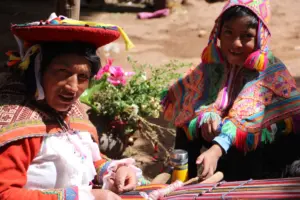
- Lares Trek: Known as the “Cultural Route,” this trek takes you through remote Andean villages, where you can meet local Quechua families and see traditional weaving. With moderate difficulty and fewer crowds, it’s perfect for travelers wanting both hiking and cultural immersion.
- Ausangate Trek: Best for experienced trekkers, this route circles the sacred Ausangate Mountain (6,384 m). Expect colorful Rainbow Mountains, glaciers, and high-altitude lagoons. January conditions can be harsh, but tours still run for those prepared for cold and unpredictable weather.
- Choquequirao Trek: Often called the “sister city of Machu Picchu,” this hidden Inca site is far less visited and twice as large. The trek is challenging, but the reward is huge: solitude, ancient ruins, and dramatic canyon views. Trails can be slippery in January, but crowd-free.
👉 Explore more Machu Picchu trekking packages: Best Alternative Treks & Tours in January
Things to Know Before Hiking the Inca Trail in January
Before you set off on your Inca Trail adventure in January, there are a few key things every traveler should know. The rainy season adds both beauty and challenges, so preparation is everything.
The Trail Is Open but Weather Is Unpredictable:
The Inca Trail remains open in January, but expect frequent rain, mist, and occasional trail maintenance. The route closes only in February for repairs. Always check updates from your tour operator before departure.
Permits Are Easier to Get:
January is low season, meaning permits are usually available, unlike in peak months (May–September). Still, it’s best to book a few weeks in advance through a licensed agency.
Pack for Wet and Cold Conditions:
You’ll face humid days and chilly nights. Essential items include waterproof boots, rain gear, dry bags, insect repellent, and warm layers for high-altitude campsites.
Be Physically and Mentally Prepared:
The combination of rain, altitude (up to 4,215 m / 13,828 ft), and slippery trails can be demanding. Spend at least two days in Cusco to acclimate, and stay flexible — rain delays can happen.
Take Care of Your Health:
Bring motion sickness pills, rehydration salts, and water purification tablets. Tap water isn’t safe to drink, and dehydration can sneak up on you even in cool weather.
Bring Cash:
ATMs can be unreliable in remote areas. Carry small bills in Peruvian soles (PEN) for snacks, tips, or souvenirs along the route.
Expect Stunning But Variable Views:
Fog may hide the mountains at times, but when the sky clears, the lush green Andes and misty ruins are breathtaking. Bring a waterproof camera bag to protect your gear.
The Inca Trail Month by Month — What to Expect All Year Round
The Inca Trail to Machu Picchu is a bucket-list trek that offers something special every month of the year. From the dry, sunny days of June to the lush green valleys of December, each season reveals a different side of the Andes.
Here’s a month-by-month guide to help you choose the best time to hike — and plan your adventure with the trusted local experts at Tunqui Expeditions.
- January – Green and Rainy Adventures: Learn more about the Inca Trail in January
- February – Trail Maintenance Month: See alternative treks for February
- March – The Season Reawakens: Discover the Inca Trail in March
- April – Perfect Balance of Sun and Greenery: Read about the Inca Trail in April
- May – The Start of the Dry Season: Explore the Inca Trail in May
- June – Peak Season and Festivities: Hike the Inca Trail in June
- July – Prime Trekking Conditions: Experience the Inca Trail in July
- August – Ideal for Adventure Seekers: See why August is great for the Trek Inca Trail in August
- September – The Shoulder Season Sweet Spot: Learn about the Inca Trail in September
- October – Mild Weather and Fewer Crowds: Discover the Inca Trail in October
- November – Quiet, Lush, and Rewarding: Read about the Inca Trail in November
- December – Lush, Peaceful, and Magical: Explore the Inca Trail in December
No matter when you go, the Inca Trail offers a once-in-a-lifetime adventure. Each month brings its own character — from the crystal-clear skies of June to the emerald valleys of December.
With Tunqui Expeditions, you’ll experience the trail safely and authentically, guided by local experts who know every mountain, ruin, and secret of this sacred route
Frequently Asked Questions About the Inca Trail in January
Here are the most common questions travelers ask before hiking the Inca Trail in January — along with short, practical answers to help you plan your trek confidently. More Info Inca Trail FAqs
Is the Inca Trail open in January?
Yes. The Inca Trail remains open throughout January, though it can be affected by rain. It only closes in February for annual maintenance.
How much does it rain in January?
January is the wettest month of the year in the Andes. You can expect frequent showers or storms, especially in the afternoons. Mornings are often clearer, with stunning misty views.
Do I need a permit for the Inca Trail in January?
Absolutely. A government-issued permit is required year-round. The good news: in January, permits are easier to find, since there are fewer hikers.
What’s the weather like?
Expect daytime temperatures around 18–22°C (64–72°F) and cooler nights around 5–10°C (41–50°F). The air is humid, and conditions can shift quickly from sun to rain.
Is it safe to hike the Inca Trail in January?
Yes — as long as you go with a licensed tour operator, wear proper gear, and follow safety advice. Be cautious of slippery trails and foggy visibility, but serious incidents are rare.
What should I pack?
Bring waterproof hiking boots, a rain jacket or poncho, dry bags, insect repellent, and warm layers. Quick-dry clothing is essential — avoid cotton.
Are there any closures?
Only February is the official closure month. However, temporary delays due to landslides or weather may occur in late January, so flexibility helps.
Is Machu Picchu open in January?
Yes, Machu Picchu is open year-round, including January. Expect some fog and rain, but fewer tourists — perfect for peaceful exploration.
Are prices cheaper in January?
Yes! January is low season, so tours, hotels, and flights are often more affordable compared to peak months.
Is January a good month to hike?
If you don’t mind the rain, January offers solitude, lush landscapes, and great deals. It’s best for adventurers who prefer authenticity over perfect weather.
Conclusion: Should You Hike the Inca Trail in January?
Hiking the Inca Trail in January isn’t for everyone — but for the right kind of traveler, it can be an unforgettable experience. Yes, it’s the rainy season, and you’ll likely face slippery trails, misty mornings, and a few soggy socks. But you’ll also discover a peaceful, green, and mystical version of the Andes that few visitors ever get to see.
With fewer crowds, lower prices, and a landscape bursting with life, January offers something rare: the chance to experience the Inca Trail in near solitude. If you come prepared — with waterproof gear, an open mindset, and a sense of adventure — the rain becomes part of the journey, not an obstacle.
For photographers, nature lovers, and trekkers seeking authenticity over comfort, January may be the most rewarding month of all to hike this legendary trail.