 Español
  English


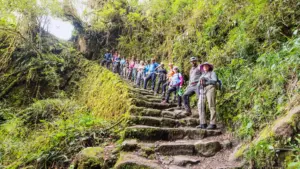
March marks the official reopening of the Inca Trail Hike Tours after its annual closure in February, making it one of the most exciting months for trekkers heading to Machu Picchu. As the rainy season begins to fade, the Andes come alive with lush green landscapes, wildflowers in bloom, and crystal-clear waterfalls, offering hikers a breathtaking welcome back to Peru’s most iconic trek.
While occasional showers still occur, the weather in March is generally milder and more stable than in January or February. The combination of fewer crowds, freshly maintained trails, and vibrant scenery makes it a perfect time for those seeking both beauty and tranquility.
Because the trail has just reopened, permits are easier to find compared to peak months like May or June — though they can start selling fast as the dry season approaches. March is also an excellent month for photographers and nature lovers who want to experience the Inca Trail at its greenest and most peaceful.
In short, hiking the Inca Trail in March offers the best of both worlds: renewed landscapes and fewer tourists, all while enjoying the first clear days after the rainy season.
Why Trek the Inca Trail in March?
Trekking the Inca Trail in March is one of the most rewarding experiences for travelers who want to see Peru’s Andes at their most vibrant — without the crowds of the high season. After the trail’s annual maintenance in February, March marks a fresh start: the paths are restored, the campsites are clean, and the entire route feels renewed.
One of the main reasons to hike in March is the balance between weather and solitude. The heaviest rains have ended, leaving behind lush green valleys, blooming wildflowers, and clear mountain streams, while the skies begin to brighten more consistently. Though brief showers may still occur, the temperature is mild and comfortable — ideal for long hiking days.
March is also a less crowded month, meaning you’ll enjoy more peaceful trails, easier permit availability, and a more intimate connection with the Inca ruins along the way. It’s a great choice for those who prefer a quieter experience before the busy season begins in May.
For photographers and nature lovers, March offers breathtaking contrasts — mist rolling through the mountains in the morning, followed by bursts of sunlight illuminating the terraces and stone paths. The atmosphere feels fresh, pure, and deeply spiritual.
In short, March combines the beauty of the rainy season with the comfort of improving weather — making it one of the best times to rediscover the Inca Trail at its most natural and alive.
Weather on the Inca Trail in March
The Inca Trail weather in March marks the transition from the rainy season to the dry season, offering a refreshing mix of lush scenery and improving trail conditions. While occasional showers are still common, the heavy rains of January and February start to ease, making March a more pleasant and manageable month for trekking.
Rain and Trail Conditions
March still receives moderate rainfall, especially in the early part of the month, but showers are usually shorter and lighter. Mornings tend to be clearer, while brief afternoon rains keep the landscape green and alive. Because of February’s maintenance closure, the trail is in excellent condition, with clean campsites and stable paths.
Average Temperatures
Temperatures in March are mild and comfortable for hiking. You can expect:
| Location | Daytime (°C / °F) | Nighttime (°C / °F) |
|---|---|---|
| Cusco | 20°C / 68°F | 7°C / 45°F |
| Inca Trail | 18–22°C / 64–72°F | 6–10°C / 43–50°F |
| Machu Picchu | 24°C / 75°F | 10–13°C / 50–55°F |
Days are warm and humid, while nights can be cool but not freezing, especially at higher altitudes like Dead Woman’s Pass (Warmiwañusca). The mix of misty mornings and sunlit afternoons creates a magical atmosphere for photography.
Because the weather can change quickly, layering is key. Bring:
- A light waterproof jacket or poncho
- Breathable hiking clothes (avoid cotton)
- Good hiking boots with grip for damp trails
- Rain covers for your backpack
- Warm layers for chilly evenings
- Sun protection (hat, sunglasses, sunscreen)
With the mountains freshly washed by rain, March offers vivid colors, crisp air, and fewer tourists — making it a beautiful time to experience the Inca Trail in near-perfect balance between wet and dry seasons.
Pros of Hiking the Inca Trail in March
March is one of the most underrated months to hike the Inca Trail — a time when the Andes are alive with color, peace, and renewal. As the trail reopens after its annual maintenance, conditions are fresh, the scenery is lush, and the crowds are minimal. Here are the main reasons why hiking the Inca Trail in March is a great idea:
The Trail Reopens in Perfect Condition
After being closed in February for repairs and restoration, the Inca Trail reopens in excellent shape. Paths are reinforced, campsites are clean, and infrastructure is freshly maintained — offering a safe and smooth trekking experience.
Mild Weather and Fewer Rains
While light showers can still occur, the heaviest rains are over, making March a comfortable transition month. You’ll enjoy clear mornings, mild temperatures, and occasional mist that adds a mystical touch to the journey.
Lush Green Landscapes and Blooming Nature
The lingering moisture from the rainy season means the Andes are at their greenest. Valleys are carpeted with wildflowers, waterfalls are full, and the scenery is simply breathtaking — perfect for photographers and nature lovers.
Fewer Crowds and Easier Permits
March is considered shoulder season, so you’ll find more permit availability, smaller hiking groups, and a calmer experience on the trail and at Machu Picchu. It’s ideal for travelers seeking tranquility and reflection.
Great Light for Photography
The mix of misty mornings, soft sunlight, and dramatic clouds creates ideal conditions for unique, cinematic photos. Every sunrise and sunset brings a different mood to the Andes.
Lower Prices and Flexible Booking
Because it’s not yet high season, flights, hotels, and tours are often more affordable. You’ll also have more flexibility in choosing your travel dates and tour operator.
Cons of Hiking the Inca Trail in March
While March marks the beautiful reopening of the Inca Trail, it’s still part of the transition from the rainy season to the dry season, which means trekkers should be prepared for some lingering challenges. Here are the main downsides to consider before booking your hike in March:
Occasional Rain and Muddy Trails
Even though the heaviest rains have passed, March still brings light to moderate showers, especially during the first half of the month. Trails can be muddy and slippery, particularly on steep descents and shaded forest sections. Waterproof boots and trekking poles are a must.
Unpredictable Weather
The weather can change quickly — sunny mornings may turn into cloudy or rainy afternoons. Visibility can also vary, sometimes hiding the mountains and scenic viewpoints under mist. Travelers should pack for all conditions and maintain a flexible mindset.
Humidity and Insects
The humidity from recent rains creates ideal conditions for mosquitoes and sandflies, especially in lower-altitude areas near Machu Picchu. Strong insect repellent and long sleeves are essential.
Limited Trail Availability After Reopening
Although the trail reopens in March, some sections may still be under minor maintenance, or the terrain could be softer than usual. This rarely affects tours, but it’s something to be aware of when planning early in the month.
Packing Can Be Tricky
Because the weather varies between warm and rainy, packing becomes a balance — you’ll need light clothing for daytime hikes and warm layers for chilly nights, plus waterproof protection for sudden showers. Managing gear weight is key.
Recommendations for March Hikers
Trekking the Inca Trail in March is an incredible experience — full of life, color, and peace — but success depends on being prepared for the changing weather and trail conditions. Here are some essential recommendations to help you make the most of your hike this month:
Book Early but Enjoy Easier Availability
March is the first open month after the trail’s February closure, so demand starts to rise as the dry season approaches. While it’s easier to find Inca Trail permits than in peak months (May–August), it’s still smart to book at least 4–6 weeks in advance through a licensed tour operator.
Pack for All Weather Conditions
March weather can shift quickly from sunny to rainy. Be ready for both:
- Waterproof hiking boots with good grip
- Light rain jacket or poncho
- Quick-dry clothing (avoid cotton)
- Warm layers for cool nights
- Rain cover for your backpack
- Sun protection (hat, sunglasses, sunscreen)
Packing smart helps you stay dry, comfortable, and ready for any weather change.
Stay Flexible and Positive
Rain showers can delay departures or make trails slippery. Keep a flexible attitude, enjoy the slower pace, and use rain breaks for rest or photography — the misty mountains can create breathtaking scenes.
Acclimate in Cusco Before the Trek
Spend at least 2–3 days in Cusco before starting your hike to adapt to the altitude (up to 4,215 m / 13,828 ft). Drink water, eat light, and avoid alcohol. You can also explore nearby sites like Sacsayhuamán or Pisac while you adjust.
Protect Yourself from Insects
With humidity still high, mosquitoes and sandflies can be active. Pack strong insect repellent, long sleeves, and light pants — especially for the lower sections of the trail and around Aguas Calientes.
Keep Your Gear Organized and Dry
Use dry bags or plastic liners inside your backpack to protect clothing and electronics. Even short bursts of rain can soak your gear if it’s not well-sealed.
Take Advantage of the Post-Rain Scenery
March offers dramatic skies, lush vegetation, and vibrant wildflowers — perfect for photography. Bring a waterproof camera bag and enjoy the natural beauty that comes after the rains.
Why Do People Still Trek the Inca Trail in March?
Many travelers choose to hike the Inca Trail in March because it offers the perfect balance between lush beauty and manageable weather. After the February closure, the trail feels fresh, quiet, and renewed — making it one of the most peaceful times of the year to experience this legendary route.
March is ideal for those who want to avoid the crowds of peak season while still enjoying improving weather conditions. The Andes are vibrant and green from the rainy months, rivers are full, and wildflowers begin to bloom, creating some of the most breathtaking scenery of the year.
Trekkers also love the authentic atmosphere of March — fewer groups mean more personal time to connect with guides, porters, and fellow hikers. It’s a great time for photographers, too, as the mix of mist, sunlight, and vivid colors adds drama and depth to every photo.
In short, people still hike the Inca Trail in March because it offers tranquility, renewal, and natural beauty, all without the high-season rush — the perfect way to experience the spirit of the Andes.
Is It Safe to Visit Machu Picchu in March?
Yes — visiting Machu Picchu in March is completely safe. In fact, March is one of the best transition months between the rainy and dry seasons, offering a great balance of fewer tourists, lush landscapes, and improving weather conditions.
While occasional rain showers are still common, heavy downpours from January and February have mostly passed. The site remains fully open to visitors year-round, and transportation — including trains from Cusco and Ollantaytambo, as well as buses to Machu Picchu Pueblo (Aguas Calientes) — operates normally.
However, travelers should still take basic precautions to ensure a smooth visit:
Safety Tips for Visiting Machu Picchu in March
- Wear non-slip shoes, as stone steps can be slippery after rain.
- Carry a light rain jacket or poncho — quick showers can happen anytime.
- Protect electronics and cameras with waterproof covers.
- Start your visit early in the morning for clearer weather and fewer crowds.
- Book train and entrance tickets in advance, as demand starts increasing toward the dry season.
March also offers one of the most magical atmospheres at Machu Picchu — with mist drifting through the ruins and mountains glowing green from recent rains. It’s a safe and visually stunning time to explore the Lost City of the Incas.
Best Time of Year to Trek the Inca Trail to Machu Picchu
The Inca Trail to Machu Picchu can be hiked almost all year, except for February, when it closes for maintenance. The best time to trek depends on what kind of experience you want — perfect weather, fewer crowds, or lush green scenery.
Here’s a breakdown of each season to help you choose the right time for your adventure:
Dry Season (May – September): The Most Popular Time
This is considered the best and most stable weather period for trekking. Days are clear, sunny, and cool — perfect for hiking and photography.
- Pros: Excellent visibility, minimal rain, comfortable temperatures.
- Cons: Crowded trails, limited permit availability, higher prices.
Book your Inca Trail permit at least 4–6 months in advance.
Shoulder Seasons (March – April & October – November): The Ideal Balance
These months offer a great mix of good weather and fewer tourists. You’ll still see some light rain, but the landscapes are greener, and permits are easier to get.
- Pros: Fewer crowds, mild temperatures, vibrant scenery.
- Cons: Occasional rain showers, humid afternoons.
Perfect for travelers who want beauty and tranquility without the rush.
Rainy Season (December – January): For Adventurous Hikers
During this time, the Andes are lush and alive, but heavy rainfall can make trails slippery and visibility lower.
- Pros: Stunning green mountains, solitude, cheaper tours.
- Cons: Frequent rain, muddy paths, unpredictable weather.
Note: The Inca Trail is closed in February for safety and conservation.
Overall Recommendation
The best months to hike the Inca Trail are May, June, and September — when the skies are clear, the trail is dry, and Machu Picchu shines in all its glory.
For travelers seeking peace and natural beauty, March and November are excellent choices with fewer crowds and moderate weather.
Alternative Treks to the Inca Trail in March
Because the Inca Trail can be wet and crowded in January, many travelers choose alternative treks that remain open year-round and offer equally stunning Andean scenery — often with fewer tourists and a more authentic experience.
- Salkantay Trek: A high-altitude, scenic route that passes glaciers, turquoise lakes, and tropical valleys before reaching Machu Picchu. Less regulated than the Inca Trail, it’s ideal for those seeking a mix of challenge and beauty. January rains can make it muddy, but the landscapes are breathtakingly green.
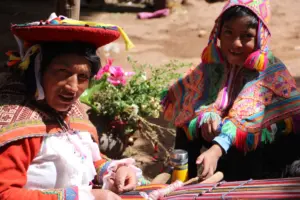
- Lares Trek: Known as the “Cultural Route,” this trek takes you through remote Andean villages, where you can meet local Quechua families and see traditional weaving. With moderate difficulty and fewer crowds, it’s perfect for travelers wanting both hiking and cultural immersion.
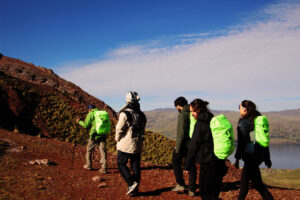
- Ausangate Trek: Best for experienced trekkers, this route circles the sacred Ausangate Mountain (6,384 m). Expect colorful Rainbow Mountains, glaciers, and high-altitude lagoons. January conditions can be harsh, but tours still run for those prepared for cold and unpredictable weather.
- Choquequirao Trek: Often called the “sister city of Machu Picchu,” this hidden Inca site is far less visited and twice as large. The trek is challenging, but the reward is huge: solitude, ancient ruins, and dramatic canyon views. Trails can be slippery in January, but crowd-free.
Explore more Machu Picchu trekking packages: Best Alternative Treks & Tours in March
Things to Know Before Hiking the Inca Trail in March
Before setting off on the Inca Trail in March, it’s important to understand what makes this month unique. The trail has just reopened after maintenance, the landscapes are lush and vibrant, and the weather is improving — but it’s still part of the rainy transition season. Here’s what every hiker should know before they go:
The Trail Reopens After Maintenance
February is the only month the Inca Trail closes, so by March, it’s freshly repaired and ready for trekkers. Expect well-maintained paths, clean campsites, and restored terraces — a great time to experience the route at its best.
Expect Mixed Weather
March marks the end of the rainy season, but occasional showers still happen. Mornings are usually clear, while light rain may appear in the afternoons. Pack for both sun and rain — waterproof gear is essential.
Permits Are Easier to Get
March is part of the shoulder season, meaning it’s easier to secure permits than during the high season (May–September). Still, book early, as availability begins to tighten as the dry months approach.
Acclimatize Before You Hike
Spend at least 2–3 days in Cusco before your trek to adapt to the altitude (up to 4,215 m / 13,828 ft). Acclimatization helps prevent altitude sickness and ensures a more enjoyable hike.
Pack Smart and Stay Dry
Because of occasional rain and humidity, keeping your gear dry is key. Use:
- Waterproof hiking boots
- Rain jacket or poncho
- Dry bags or plastic liners inside your backpack
- Quick-dry clothing and extra socks
- Warm layers for cold nights
Insects Are Still Around
Mosquitoes and sandflies can be active near Machu Picchu and lower altitudes. Bring insect repellent, long sleeves, and light pants for protection.
Carry Some Cash
ATMs aren’t reliable in small towns or trail checkpoints. Bring Peruvian soles (PEN) in small bills for tips, snacks, or souvenirs.
Bring a Waterproof Camera or Phone Case
The combination of mist, sunlight, and greenery makes for stunning photography — just protect your gear from moisture and rain.
The Inca Trail Month by Month — What to Expect All Year Round
The Inca Trail to Machu Picchu is a bucket-list trek that offers something special every month of the year. From the dry, sunny days of June to the lush green valleys of December, each season reveals a different side of the Andes.
Here’s a month-by-month guide to help you choose the best time to hike — and plan your adventure with the trusted local experts at Tunqui Expeditions.
- January – Green and Rainy Adventures: Learn more about the Inca Trail in January
- February – Trail Maintenance Month: See alternative treks for February
- March – The Season Reawakens: Discover the Inca Trail in March
- April – Perfect Balance of Sun and Greenery: Read about the Inca Trail in April
- May – The Start of the Dry Season: Explore the Inca Trail in May
- June – Peak Season and Festivities: Hike the Inca Trail in June
- July – Prime Trekking Conditions: Experience the Inca Trail in July
- August – Ideal for Adventure Seekers: See why August is great for the Trek Inca Trail in August
- September – The Shoulder Season Sweet Spot: Learn about the Inca Trail in September
- October – Mild Weather and Fewer Crowds: Discover the Inca Trail in October
- November – Quiet, Lush, and Rewarding: Read about the Inca Trail in November
- December – Lush, Peaceful, and Magical: Explore the Inca Trail in December
No matter when you go, the Inca Trail offers a once-in-a-lifetime adventure. Each month brings its own character — from the crystal-clear skies of June to the emerald valleys of December.
With Tunqui Expeditions, you’ll experience the trail safely and authentically, guided by local experts who know every mountain, ruin, and secret of this sacred route
Frequently Asked Questions About the Inca Trail in March
Here are some of the most common questions travelers ask before hiking the Inca Trail in March, along with clear, practical answers to help you plan your trip with confidence.
Is the Inca Trail open in March?
Yes! The Inca Trail officially reopens in March after being closed in February for maintenance. It’s one of the best times to go since the trail is freshly restored and less crowded.
Does it rain a lot in March?
March marks the end of the rainy season, so light showers can still occur — mostly in the afternoons. However, rainfall is far less frequent and intense than in January or February.
What’s the weather like on the Inca Trail in March?
Expect mild temperatures (18–22°C / 64–72°F during the day and 6–10°C / 43–50°F at night). Mornings are often clear, while short rains may appear later in the day. The humidity keeps the landscapes beautifully green.
Do I need a permit to hike the Inca Trail in March?
Yes, a government-issued permit is required year-round. The good news is that permits are easier to get in March compared to peak season — but still book at least 4–6 weeks in advance.
What should I pack for March?
Bring light layers, waterproof gear, hiking boots with traction, insect repellent, and sun protection. A rain jacket and dry bags are essential since showers can come unexpectedly.
Are there many insects in March?
Yes, some — especially near lower altitudes like Machu Picchu. Pack mosquito repellent and wear long sleeves and pants during the evenings.
Is it easy to reach Machu Picchu in March?
Yes. Trains and buses operate normally, and the route is fully open. Just expect occasional delays if there’s heavy rain early in the month.
Is it safe to hike the Inca Trail in March?
Absolutely — as long as you hike with a licensed tour operator and use proper gear. The trail is in great condition after maintenance, and guides are trained for safety in changing weather.
Are tours cheaper in March?
Yes, March is part of the shoulder season, so you’ll often find lower prices on tours, hotels, and flights compared to the dry season (May–September).
Is March good for photography?
Definitely! The mix of green landscapes, misty mornings, and bright skies creates incredible photo opportunities. The lighting after rain gives the mountains a mystical glow.