 Español
  English


May marks the true beginning of the dry season in the Peruvian Andes — and for many, it’s the best month of the year to Hike The Inca Trail Tours. The heavy rains of the earlier months have passed, leaving behind lush green valleys, crystal-clear skies, and well-maintained trails ready to welcome trekkers from around the world.
The weather in May is ideal for hiking: sunny during the day, cool and crisp at night, with almost no rainfall. This makes it perfect for long, comfortable trekking days and for soaking in panoramic mountain views. The combination of clear skies and green landscapes creates spectacular conditions for photography and an unforgettable journey to Machu Picchu.
Because May is also the start of the high trekking season, permits begin to sell out fast — so it’s essential to book your hike in advance with a licensed and experienced tour operator such as Tunqui Expeditions. Their expert guides ensure a safe, small groups, sustainable, and authentic experience along this legendary route.
In short, the Inca Trail in May offers the best of both worlds — perfect weather, breathtaking views, and the full energy of the Andes — making it one of the most exceptional times to experience this ancient path to Machu Picchu.
Why Trek the Inca Trail to Machu Picchu Hike in May?
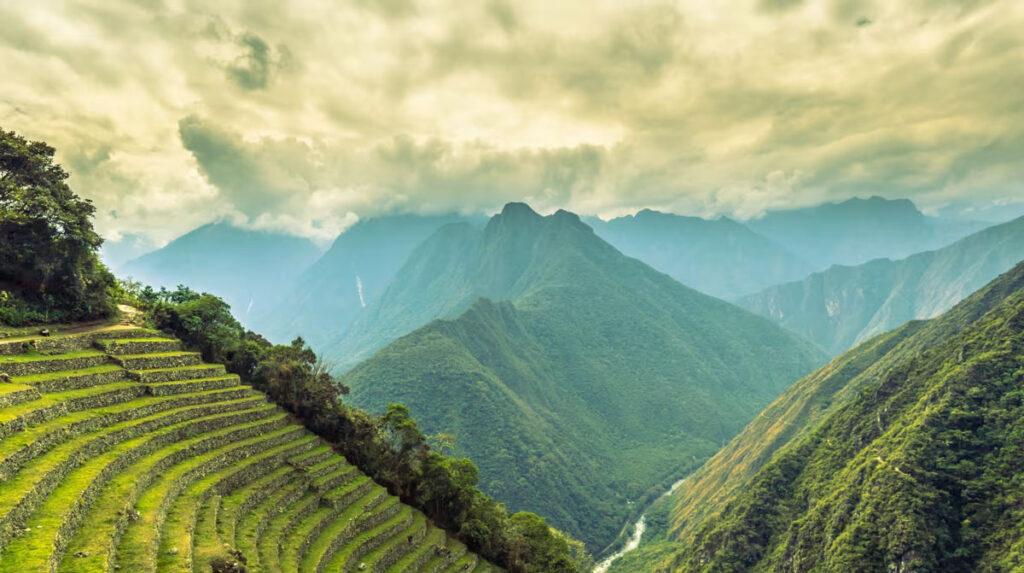
May is often considered the best month of the year to hike the Inca Trail to Machu Picchu — and for good reason. It’s when the Andes show their brightest colors, the weather turns clear and dry, and the trail conditions are at their absolute best. Whether you’re an experienced trekker or a first-time visitor, May offers the perfect combination of comfort, beauty, and adventure.
After months of rain, the landscape bursts to life — vivid green valleys, snow-capped peaks, and crystal-clear rivers accompany you along the route. The weather is warm during the day and cool at night, making it ideal for long hiking days without the discomfort of humidity or heavy rainfall.
Because May marks the start of the high trekking season, you’ll also enjoy vibrant energy on the trail — meeting fellow travelers from around the world while still avoiding the large crowds of June and July. The sky is bright and clear, offering breathtaking sunrise and sunset views over the Andes and Machu Picchu.
Another big advantage? The Inca Trail is in pristine condition following its February maintenance closure. Paths are stable, campsites are clean, and the flora around the Sacred Valley is in full bloom. It’s a photographer’s paradise, where every turn offers postcard-worthy views.
Booking your trek with a certified operator like Tunqui Expeditions ensures a safe, sustainable, and expertly guided adventure. Their local guides share authentic insights into Inca history and culture, making your journey both meaningful and memorable.
Weather on the Real Inca Trail in May
The Inca Trail weather in May is almost perfect — it’s the start of the dry season, when skies are clear, rain is rare, and temperatures are mild. For many travelers, May offers the best hiking conditions of the entire year.
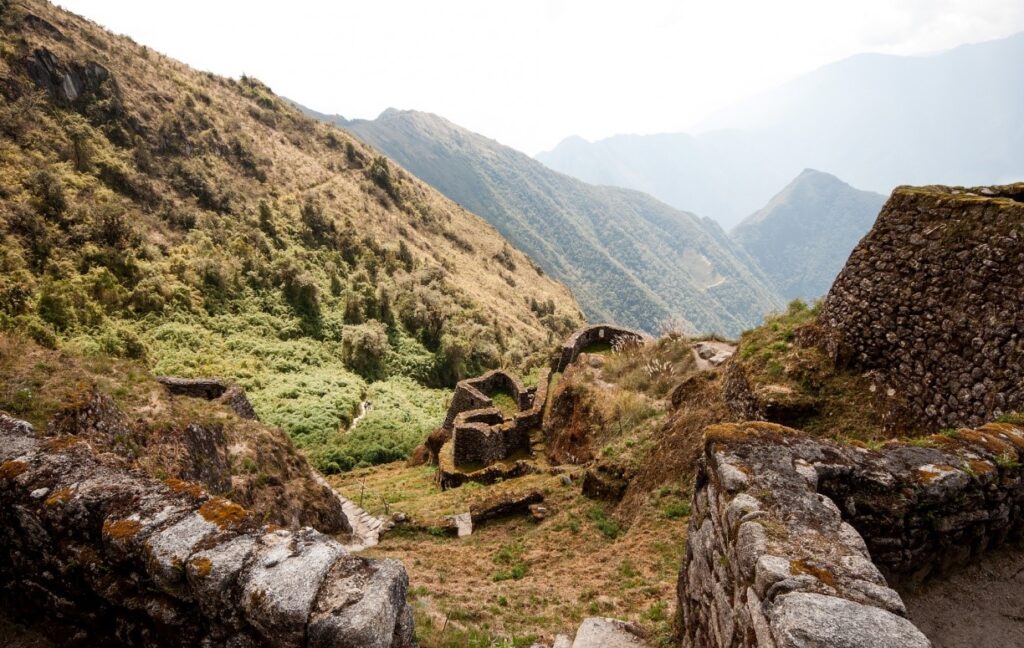
The air is crisp and fresh after the rainy months, and the mountains are still covered in a lush green carpet of vegetation. You’ll enjoy sunny days, cool nights, and stable weather, which makes trekking comfortable and photography spectacular.
Rain and Trail Conditions
May brings a dramatic drop in rainfall compared to March and April. Most days are sunny or partly cloudy, with only the occasional light drizzle — usually early in the morning or late at night.
The trail conditions are excellent, as the paths are dry, stable, and recently maintained after February’s closure. Streams and waterfalls still flow from the wet season, adding a touch of beauty without creating obstacles.
Average Temperatures in May
The weather is pleasantly warm during the day and refreshingly cool at night — ideal for multi-day trekking.
| Location | Daytime (°C / °F) | Nighttime (°C / °F) |
|---|---|---|
| Cusco | 20°C / 68°F | 5°C / 41°F |
| Inca Trail (average) | 18–22°C / 64–72°F | 4–8°C / 39–46°F |
| Machu Picchu | 25°C / 77°F | 11°C / 52°F |
Daytime temperatures are perfect for hiking, while nighttime can feel chilly — especially at high-altitude camps like Warmiwañusca (Dead Woman’s Pass). A good sleeping bag and warm clothing will keep you comfortable.
What to Expect and Pack: More Info Ultimate Inca Trail Packing List
Even though May is part of the dry season, weather in the Andes can change quickly. Be ready for both sunshine and cooler temperatures:
- Light, breathable hiking clothes for the day
- Warm fleece or jacket for evenings
- Good hiking boots with solid grip
- Sun protection — hat, sunscreen, sunglasses
- Light rain jacket or poncho (just in case)
- Reusable water bottle or hydration pack
Ideal Conditions for Photography
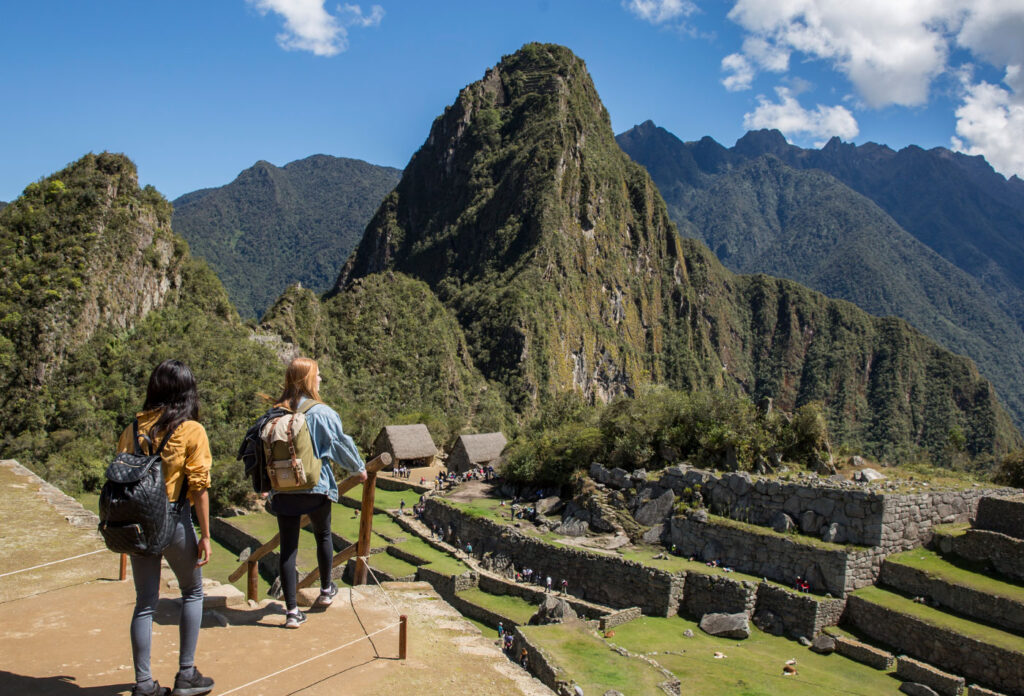
With clear blue skies and vibrant green landscapes, May offers the most striking views of the Andes. Early mornings bring light mists that rise beautifully from the valleys — perfect for capturing the mystic essence of the Inca Trail.
Pros of Hiking the Inca Trail in May
If you’re planning your trek to Machu Picchu, May is one of the best months of the entire year to hike the Inca Trail. It’s when weather, scenery, and trail conditions align perfectly to create a truly unforgettable experience. Here are the top reasons why May is such a popular — and rewarding — time to visit:
Ideal Weather Conditions
May officially marks the start of the dry season, bringing clear skies, warm days, and minimal rain. Temperatures are mild and comfortable for long hikes, and the lack of humidity makes trekking easier. It’s the perfect time for those who want stable, pleasant weather throughout the journey.
Lush, Green, and Vibrant Scenery
The mountains and valleys are still green from the rainy season, but without the daily downpours. Wildflowers are in bloom, rivers are full, and waterfalls sparkle under the Andean sun — creating some of the most stunning views you’ll see all year.
Perfect for Photography
With crystal-clear skies and bright natural light, May is ideal for photographers. Whether you’re capturing mist rising from the valleys or a sunrise over Machu Picchu, every shot looks postcard-perfect. The contrast between the blue sky and green mountains makes for breathtaking images.
Excellent Trail Conditions
Because the Inca Trail was closed for maintenance in February, by May the path is clean, safe, and stable. You can enjoy smooth trekking days without slippery mud or erosion. Campsites and facilities are also in great condition.
Balanced Crowds and Great Energy
May marks the beginning of the high trekking season, but it’s still less crowded than June and July. This balance gives you great energy on the trail — meeting fellow travelers without the feeling of overcrowding. You can still enjoy peaceful moments at scenic viewpoints and archaeological sites.
Great Value Before Peak Season Prices
While prices start to rise toward the high season, May still offers better value than the following months. Booking your trek early with a reliable operator like Tunqui Expeditions ensures you get professional service, small group sizes, and excellent pricing before demand peaks.
Cultural and Natural Harmony
May falls between the end of the harvest season and the start of many Andean festivals, giving travelers a chance to experience authentic local traditions in Cusco and the Sacred Valley. It’s a time of renewal and celebration in the Andes.
Cons of Hiking the Inca Trail in May
While May is one of the best months to hike the Inca Trail, it’s not completely free of challenges. As the dry season officially begins, more travelers start arriving in Cusco, temperatures drop at night, and demand for permits and accommodations increases. Here are the main downsides to consider before planning your trek:
Rising Demand and Limited Permits
May marks the beginning of the high trekking season, meaning permits can sell out months in advance. Because the Inca Trail only allows 500 people per day (including guides and porters), it’s essential to book early — ideally 4–6 months ahead — with a trusted operator like Tunqui Expeditions.
Cooler Nights at High Altitudes
While daytime temperatures are pleasant, nights can get quite cold, especially in campsites like Warmiwañusca (Dead Woman’s Pass). Expect nighttime lows around 4–8°C (39–46°F). A warm sleeping bag, thermal base layers, and good-quality gear are essential for comfort.
Stronger Sun and UV Exposure
With clearer skies comes stronger sunlight. The UV index in the Andes is high, even on cloudy days. You’ll need sunscreen, sunglasses, and a wide-brimmed hat to protect your skin and eyes from sunburn.
Higher Prices and Early Bookings
As demand increases, flight, hotel, and tour prices also begin to rise compared to March or April. Booking in advance not only secures your spot but also helps lock in better rates for your trek.
Busier Trails and Campsites
May is the start of the busy season, so you’ll begin to see larger tour groups and more hikers along the route. While it’s not as crowded as June or July, the sense of solitude is slightly reduced — though with experienced operators like Tunqui Expeditions, you’ll still enjoy small group sizes and personalized service.
Unpredictable Mountain Conditions
Even during the dry season, Andean weather can change quickly. Occasional clouds, mist, or light afternoon showers are still possible, especially in forested areas. Always keep a light rain jacket or poncho handy.
Recommendations for May Hikers
If you’re planning to hike the Inca Trail in May, you’ve chosen one of the best times of the year. The weather is nearly perfect, the landscapes are breathtaking, and trail conditions are excellent. However, since May also marks the start of the high trekking season, preparation and planning are key. Here are some expert recommendations to make your journey safe, comfortable, and unforgettable.
Book Your Inca Trail Permit in Advance
May is a high-demand month, and Inca Trail permits can sell out 4–6 months in advance. To guarantee your spot, book early with a licensed and experienced operator like Tunqui Expeditions. Their small-group treks and professional local guides ensure a safe, authentic, and sustainable experience.
Pack for Warm Days and Cool Nights
May brings clear skies and dry weather, but temperatures can drop sharply after sunset. Essential items include:
- Light, breathable layers for daytime hikes
- Warm fleece or down jacket for cold nights
- Waterproof jacket or poncho (for light showers)
- Hiking boots with good traction
- Sun protection (hat, sunscreen, sunglasses)
- Insect repellent for the lower jungle sections
Layering is key — it helps you stay comfortable through changing temperatures.
Stay Hydrated and Protect Yourself from the Sun
At high altitudes, the air is dry and the UV rays are stronger. Carry a reusable water bottle or hydration pack, drink frequently, and reapply sunscreen every few hours.
Acclimatize in Cusco Before Starting
Spend at least 2–3 days in Cusco before your trek to adjust to the altitude (up to 4,200 m / 13,800 ft). Explore nearby sites like Sacsayhuamán, Pisac, or Qorikancha while giving your body time to adapt. Tunqui Expeditions includes acclimatization recommendations in all of its pre-trek briefings.
Bring the Right Sleeping Gear
Nights in May can be cold, especially at higher campsites. A warm sleeping bag (rated at least -5°C / 23°F) and thermal base layers will make a big difference in comfort.
Don’t Forget Your Camera
May’s clear skies and vibrant green scenery make it one of the most photogenic months of the year. Bring a camera or smartphone with extra batteries, and protect it from dust or moisture with a waterproof case.
Carry Small Cash for Tips and Extras
Bring small bills in Peruvian soles (PEN) to tip your porters, buy snacks along the way, or purchase souvenirs in small communities. ATMs are unreliable outside Cusco.
Respect the Trail and Local Communities
Follow Leave No Trace principles — take your trash with you, respect local traditions, and be kind to your porters and guides. Tunqui Expeditions prioritizes eco-friendly tourism and works directly with Andean communities to promote sustainable travel.
Why Do People Still Trek the Inca Trail in May?
Every year, thousands of travelers from around the world choose to hike the Inca Trail in May — and it’s easy to understand why. This month combines the best weather, stunning scenery, and vibrant cultural atmosphere that make the trek to Machu Picchu truly unforgettable.
May sits perfectly at the heart of the Andean dry season, offering clear skies, mild temperatures, and lush landscapes that have flourished after the rains. The mountains glow in deep greens, wildflowers bloom along the paths, and the air is crisp and fresh — ideal for both trekking and photography. It’s a time when the Andes feel alive.
For many hikers, May also represents a spiritual journey. The trail is more than just a route to Machu Picchu — it’s a walk through history, nature, and ancient energy. The quiet mornings, the echo of the wind across Inca ruins, and the first glimpse of the Sun Gate (Inti Punku) at sunrise all combine to create a deeply emotional and transformative experience.
Another reason people continue to trek the Inca Trail in May is the perfect balance of comfort and connection. The trails are active but not overcrowded, the weather is ideal for long hiking days, and local guides from Tunqui Expeditions make the experience authentic and meaningful. They share ancestral stories, traditional practices, and Andean wisdom — turning your trek into a cultural adventure as much as a physical one.
Is It Safe to Visit Machu Picchu in May?
Yes — May is one of the safest and best months of the year to visit Machu Picchu. The weather is stable, the Inca Trail is dry and well-maintained, and travel routes between Cusco, Ollantaytambo, and Aguas Calientes operate smoothly. It’s the perfect month for those who want to enjoy the magic of Machu Picchu without the heavy rains of earlier months or the large crowds of June and July.
Excellent Weather Conditions
May is part of the Andean dry season, which means sunny days, cool evenings, and minimal rainfall. The terrain is dry and firm, making it safe for trekking and exploring the archaeological site. Visibility is excellent — perfect for photography, hiking, and watching the sunrise over the citadel.
Safe and Well-Maintained Trails
By May, the Inca Trail and other trekking routes (like Salkantay or Lares) are in top condition after their February maintenance. The risk of landslides or slippery terrain is minimal. With experienced guides from Tunqui Expeditions
leading the way, you can hike with complete peace of mind.
Reliable Transportation and Access
All major transportation options — trains, buses, and flights — run normally in May. Roads between Cusco and Ollantaytambo are in excellent condition, and train services to Aguas Calientes (Machu Picchu Pueblo) operate without the delays or cancellations common in the rainy season.
Safety Tips for Visiting Machu Picchu in May
To ensure a smooth and worry-free experience, keep these quick tips in mind:
- Wear non-slip hiking shoes, as early morning dew can make stones slick.
- Bring sun protection (hat, sunscreen, sunglasses) — the UV index is high even on cloudy days.
- Carry a light jacket or poncho, just in case of short, unexpected drizzles.
- Stay hydrated and take short breaks while exploring the site, especially if you’ve just arrived from Cusco’s altitude.
- Book tickets and trains early, as demand begins to rise this month.
A Peaceful and Magical Experience
May also brings vivid green mountains, blooming flora, and clear skies, adding to Machu Picchu’s mystical beauty. The combination of comfort, safety, and natural splendor makes this month one of the most rewarding times to visit.
With the guidance of Tunqui Expeditions, travelers can enjoy a secure, well-organized journey that combines cultural discovery, natural wonder, and personalized service every step of the way.
Best Time of Year to Trek the Inca Trail
The Inca Trail to Machu Picchu can be hiked almost all year round (except in February, when it closes for maintenance). However, the best time to trek depends on what kind of experience you want — clear skies and perfect weather, green landscapes after the rains, or fewer crowds on the trail.
Below is a guide to help you choose the best season to hike the Inca Trail, based on climate, scenery, and availability — all insights provided by the local experts at Tunqui Expeditions.
Dry Season (May – September): The Most Popular and Reliable Time
This is widely considered the best time to hike the Inca Trail. The weather is stable, the skies are clear, and rain is rare — perfect for trekking, photography, and panoramic views of the Andes and Machu Picchu.
- Pros: Best weather, clear visibility, low chance of rain.
- Cons: Peak season — permits sell out months in advance, and campsites can be busier.
Tunqui Expeditions recommends booking your trek at least 4–6 months in advance during these months.
Shoulder Seasons (March – April & October – November): Balanced and Beautiful
These months offer a great balance between pleasant weather and fewer crowds. The trails are lush and green after the rains, and the atmosphere is calm and scenic.
- Pros: Green landscapes, fewer tourists, moderate temperatures.
- Cons: Occasional short rains in the afternoons.
April and October are especially recommended by Tunqui Expeditions for travelers seeking a peaceful yet comfortable trekking experience.
Rainy Season (December – January): Quiet and Adventurous
During this period, the Andes experience frequent rain showers. The trails are quieter, and the mountains are incredibly lush — ideal for experienced or adventurous hikers who don’t mind getting wet.
- Pros: Few crowds, lower prices, rich vegetation.
- Cons: Muddy paths, limited visibility, slippery conditions.
Note: The Inca Trail is closed in February every year for safety and conservation.
So, When Is the Best Month to Hike the Inca Trail?
If you want the best overall trekking experience, the top months are May, June, and September — when the weather is clear, cool, and dry.
For those who prefer lush scenery and quieter trails, April and October are ideal shoulder-season options.
No matter when you go, booking your trek with a reputable local operator like Tunqui Expeditions ensures a safe, sustainable, and personalized journey to Machu Picchu. Their small-group tours, experienced guides, and commitment to responsible tourism make them one of the best choices for trekking in Peru.
Alternative Treks to the Inca Trail in May
Because the Inca Trail can be wet and crowded in January, many travelers choose alternative treks that remain open year-round and offer equally stunning Andean scenery — often with fewer tourists and a more authentic experience.
- Salkantay Trek: A high-altitude, scenic route that passes glaciers, turquoise lakes, and tropical valleys before reaching Machu Picchu. Less regulated than the Inca Trail, it’s ideal for those seeking a mix of challenge and beauty. January rains can make it muddy, but the landscapes are breathtakingly green.
- Lares Trek: Known as the “Cultural Route,” this trek takes you through remote Andean villages, where you can meet local Quechua families and see traditional weaving. With moderate difficulty and fewer crowds, it’s perfect for travelers wanting both hiking and cultural immersion.
- Ausangate Trek: Best for experienced trekkers, this route circles the sacred Ausangate Mountain (6,384 m). Expect colorful Rainbow Mountains, glaciers, and high-altitude lagoons. January conditions can be harsh, but tours still run for those prepared for cold and unpredictable weather.
- Choquequirao Trek: Often called the “sister city of Machu Picchu,” this hidden Inca site is far less visited and twice as large. The trek is challenging, but the reward is huge: solitude, ancient ruins, and dramatic canyon views. Trails can be slippery in January, but crowd-free.
Explore more Machu Picchu trekking packages: Best Alternative Treks & Tours in May
Things to Know Before Hiking The Inca Trail To Machu Picchu in May
Before you set out on the Inca Trail in May, it’s important to understand what makes this month special — and how to prepare for it. May marks the start of the dry season, when weather conditions are near-perfect for trekking. However, it’s also the beginning of the high season, meaning more travelers and tighter permit availability Inca Trail . Here’s everything you should know before your adventure to Machu Picchu.
May Marks the Beginning of the Dry Season
May is one of the best months for trekking in Peru, with clear skies, minimal rain, and stable weather. Trails are dry and safe, and the views are spectacular. However, temperatures can drop at night, so be prepared for cool evenings at higher altitudes.
Book Your Inca Trail Permit Early
Permits for May tend to sell out months in advance since it’s part of the high trekking season. To secure your spot, it’s essential to book early through a licensed and reliable operator like Tunqui Expeditions. They handle all logistics, permits, and equipment — ensuring a stress-free experience.
Expect Warm Days and Cold Nights
During May, daytime temperatures average 18–22°C (64–72°F), while nights can drop to 4–8°C (39–46°F).
Tip: Layer your clothing. Start with light, breathable fabrics for daytime hiking and pack a warm fleece or jacket for evenings at camp.
Pack Smart and Light
Even though May is mostly dry, mountain weather can still be unpredictable. Bring:
- Light rain jacket or poncho
- Quick-dry hiking clothes
- Good hiking boots with traction
- Sun protection (hat, sunscreen, sunglasses)
- Warm layers for nighttime
- Reusable water bottle or hydration pack
- Insect repellent for lower-altitude areas
Tunqui Expeditions provides detailed packing checklists for all treks.
Acclimatize Before You Start
Altitude acclimatization is crucial for a safe and enjoyable trek. Spend 2–3 days in Cusco before your hike to adjust. Walk slowly, stay hydrated, and avoid alcohol. Tunqui Expeditions recommends visiting nearby ruins like Sacsayhuamán or Pisac during this time.
Be Ready for High Demand
May kicks off the busy trekking season, so expect more travelers in Cusco and along the trail. However, with small group tours led by Tunqui Expeditions, you’ll still enjoy a peaceful and personalized experience.
Bring Local Currency
Carry small bills in Peruvian soles (PEN) for tipping porters, buying snacks, or small souvenirs. ATMs are not available along the trail, so plan ahead.
The Best Time for Photography
May’s crisp light, green mountains, and clear skies create incredible photo opportunities. Bring a camera or phone with extra batteries, as cold nights can drain power faster.
The Inca Trail Month by Month — What to Expect All Year Round
The Inca Trail to Machu Picchu is a bucket-list trek that offers something special every month of the year. From the dry, sunny days of June to the lush green valleys of December, each season reveals a different side of the Andes.
Here’s a month-by-month guide to help you choose the best time to hike — and plan your adventure with the trusted local experts at Tunqui Expeditions.
- January – Green and Rainy Adventures: Learn more about the Inca Trail in January
- February – Trail Maintenance Month: See alternative treks for February
- March – The Season Reawakens: Discover the Inca Trail in March
- April – Perfect Balance of Sun and Greenery: Read about the Inca Trail in April
- May – The Start of the Dry Season: Explore the Inca Trail in May
- June – Peak Season and Festivities: Hike the Inca Trail in June
- July – Prime Trekking Conditions: Experience the Inca Trail in July
- August – Ideal for Adventure Seekers: See why August is great for the Trek Inca Trail in August
- September – The Shoulder Season Sweet Spot: Learn about the Inca Trail in September
- October – Mild Weather and Fewer Crowds: Discover the Inca Trail in October
- November – Quiet, Lush, and Rewarding: Read about the Inca Trail in November
- December – Lush, Peaceful, and Magical: Explore the Inca Trail in December
No matter when you go, the Inca Trail offers a once-in-a-lifetime adventure. Each month brings its own character — from the crystal-clear skies of June to the emerald valleys of December.
With Tunqui Expeditions, you’ll experience the trail safely and authentically, guided by local experts who know every mountain, ruin, and secret of this sacred route
Frequently Asked Questions About the Inca Trail Trek in May
Here are the most common questions travelers ask before hiking the Inca Trail in May, along with answers from the expert guides at Tunqui Expeditions.
Is the Inca Trail open in May?
Yes, the Inca Trail is fully open in May, and it’s one of the best months to hike. The weather is clear and dry, trail conditions are excellent, and the landscapes are at their greenest after the rainy season.
What’s the weather like on the Inca Trail in May?
Expect sunny days and cool nights. Daytime temperatures average 18–22°C (64–72°F), while nighttime temperatures can drop to 4–8°C (39–46°F). Rain is rare, but always bring a light rain jacket or poncho just in case.
Do I need a permit to hike the Inca Trail in May?
Yes — a government-issued permit is required year-round. May is part of the high season, so permits sell out quickly (often months in advance). Book early with a licensed tour operator like Tunqui Expeditions, who handles all permits and logistics for you.
How difficult is the Inca Trail in May?
The Inca Trail is considered moderately challenging, regardless of the month. However, May’s dry weather and stable conditions make the trek easier and more enjoyable. Proper preparation and acclimatization are essential for a smooth hike.
What should I pack for the Inca Trail in May?
Pack for warm days and cool nights. Ultimate Inca Trail Packing List:
- Hiking boots with good grip
- Light, breathable clothes
- Warm jacket or fleece
- Rain gear
- Sun protection (hat, sunscreen, sunglasses)
- Insect repellent
- Reusable water bottle or hydration pack
Tunqui Expeditions provides a detailed packing list and equipment briefing before every trek.
How long should I acclimatize before starting the trek?
Spend at least 2–3 days in Cusco before your hike. This helps your body adjust to the altitude (up to 4,200 m / 13,800 ft). Tunqui Expeditions includes pre-trek advice and optional acclimatization tours.
Are treks more expensive in May?
May marks the start of the high season, so prices can be slightly higher than in March or April. However, Tunqui Expeditions offers competitive rates with small group sizes and premium service.
Is May a good month for photography?
Absolutely! May offers crystal-clear skies, green valleys, and excellent natural lighting — perfect for stunning sunrise and landscape photos of Machu Picchu.
Are there mosquitoes on the Inca Trail in May?
Yes, especially in lower jungle sections near Machu Picchu. Bring insect repellent and wear long sleeves and pants in the evenings.
How busy is the Inca Trail in May?
May is the beginning of the high trekking season, so the trail can get busy, especially mid- to late-month. Booking early with Tunqui Expeditions ensures your spot and guarantees smaller, well-organized groups for a more personal experience.
Final Conclusion: Should You Hike the Inca Trail in May?
Without a doubt — May is one of the best months to hike the Inca Trail to Machu Picchu. It’s when everything aligns perfectly: the weather is dry and stable, the scenery is lush and vibrant, and the trail conditions are excellent after months of maintenance and rainfall.
May marks the start of the Andean dry season, bringing crisp mornings, sunny days, and cool nights — ideal for long treks and photography. The mountains glow green under bright blue skies, rivers run clear, and the panoramic views are truly breathtaking. While it’s the beginning of the high season, the trail isn’t yet overcrowded, offering the perfect balance between liveliness and tranquility.
Hiking in May also gives you the chance to experience the Andes at their most authentic and energetic. Local villages begin celebrating agricultural festivals, the flora is still in bloom, and the spirit of the mountains feels alive. Every step on the Inca Trail in May connects you not only to history and nature, but also to the living culture of Peru.
For those seeking a safe, sustainable, and unforgettable trekking experience, booking with Tunqui Expeditions is the way to go. Their expert local guides, small group tours, and deep respect for Andean heritage ensure that your journey to Machu Picchu isn’t just a hike — it’s a life-changing adventure.