 Español
  English


June is one of the most spectacular months to hike the Inca Trail to Machu Picchu. It’s the heart of the Andean dry season, offering crystal-clear skies, golden sunlight, and some of the most breathtaking mountain views of the entire year. For many trekkers, June represents the perfect balance between weather, scenery, and cultural experiences — making it one of the most popular times to visit Peru.
During this month, rainfall is almost nonexistent, and temperatures are ideal for trekking. The days are warm, the nights are cool, and visibility across the Sacred Valley and the snow-capped Andes is exceptional. Whether you’re hiking through cloud forests or standing at the Sun Gate watching the sunrise over Machu Picchu, June offers the most picture-perfect moments imaginable.
June is also a cultural highlight in Cusco, as the city celebrates Inti Raymi — the Festival of the Sun, one of the most important Inca traditions. This gives travelers the chance to experience not only the beauty of the trail but also the living culture of the Andes.
Because this is peak season, permits sell out months in advance, so it’s essential to book early with a reputable tour operator such as Tunqui Expeditions. Their experienced local guides and small-group treks ensure a safe, authentic, and unforgettable adventure along the legendary Inca Trail.
In short, the Inca Trail in June delivers everything trekkers dream of — clear skies, epic views, and cultural magic, all wrapped into one unforgettable journey to Machu Picchu.
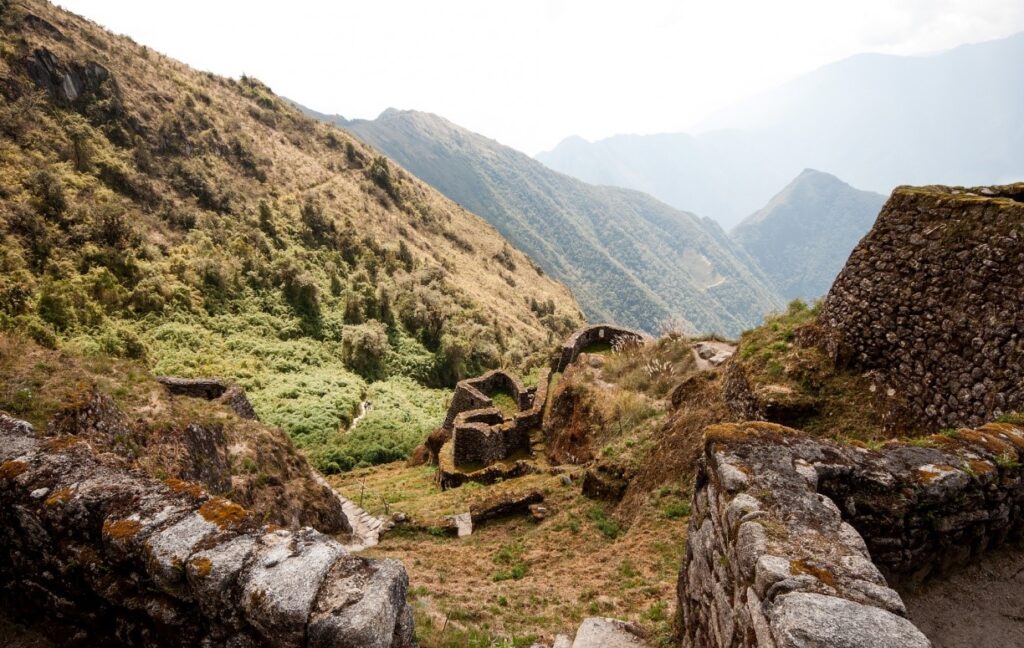
Why Trek the Inca Trail in June?
June is one of the most extraordinary months to hike the Inca Trail to Machu Picchu, and for good reason. It’s the heart of the dry season, bringing clear skies, comfortable temperatures, and breathtaking mountain views that make every step along the trail unforgettable.
During this time of year, the Andes are at their most magnificent. The air is crisp, the valleys are green, and the skies are a deep, endless blue. The trail conditions are dry and stable, perfect for both seasoned trekkers and first-time adventurers. The famous Inca Trail 4-Day Classic Trek offered by Tunqui Expeditions is at its very best in June — combining ideal hiking weather with spectacular sunrise views over Machu Picchu.
Another reason to trek the Inca Trail in June is the energy of Cusco and the Sacred Valley. The city comes alive with the celebration of Inti Raymi (the Festival of the Sun) on June 24th — a powerful cultural event honoring the Inca sun god. Travelers can combine their trek with this ancient festival for a deeper connection to the spirit and history of the Andes.
For those seeking alternative routes, Tunqui Expeditions also offers equally stunning treks like the Salkantay Trek to Machu Picchu — a high-altitude adventure through snow-capped peaks and tropical valleys — or the Lares Trek, which blends mountain beauty with visits to authentic Andean communities. Both options are excellent alternatives when Inca Trail permits sell out early in June.
In short, travelers choose to hike the Inca Trail in June because it offers:
- Perfect weather — sunny, dry, and stable.
- Vibrant culture — with the Inti Raymi festival in Cusco.
- Spectacular scenery — from snow-capped peaks to misty jungle paths.
Unforgettable experiences — guided by the expert team at Tunqui Expeditions, known for their professionalism, sustainable tourism practices, and passion for the Andes.
If you’ve ever dreamed of standing at the Sun Gate (Inti Punku) watching the first light hit Machu Picchu, June is the perfect month to make it happen.
Weather on the Inca Trail in June
June brings some of the most stable and pleasant weather of the entire year on the Inca Trail. As the Andean dry season reaches its peak, trekkers can expect clear skies, comfortable daytime temperatures, and minimal rainfall — the perfect conditions for hiking to Machu Picchu.
Whether you’re taking the Classic Inca Trail 4 Days or an alternative route like the Salkantay Trek or Ausangate Trek, June offers excellent visibility and ideal temperatures for long trekking days.
Dry, Sunny Days and Cool Nights
June is one of the driest months in the Andes. Rainfall is extremely rare, and the humidity is low, creating perfect hiking conditions. The days are typically sunny and bright, while the nights can get cold — especially at high-altitude campsites like Dead Woman’s Pass (Warmiwañusca).
Average Temperatures on the Inca Trail in June
| Location | Daytime (°C / °F) | Nighttime (°C / °F) |
|---|---|---|
| Cusco | 19°C / 66°F | 3°C / 37°F |
| Inca Trail (average) | 17–21°C / 62–70°F | 0–6°C / 32–43°F |
| Machu Picchu | 25°C / 77°F | 10°C / 50°F |
Daytime hiking temperatures are perfect — warm but not hot — while nights can be chilly. A warm sleeping bag and layered clothing are essential for comfort during camping nights.
Rainfall and Trail Conditions
June is part of the dry season, so trail conditions are excellent. The paths are firm, streams are low, and river crossings are easy. There’s almost no mud or slippery terrain, which makes trekking safer and more enjoyable. The air is also cleaner, giving you stunning views of the Andes mountain range and the Sacred Valley.
Because of the clear atmosphere, this month offers some of the best sunrise and sunset views of the year — especially from Inti Punku (the Sun Gate) overlooking Machu Picchu.
What to Pack for June
Even though it’s dry, the Andes can be unpredictable. Be ready for both warm days and cold nights:
- Lightweight breathable clothing for daytime
- Fleece or down jacket for nighttime
- Sun protection — hat, sunscreen, sunglasses
- Warm hat and gloves for evenings at camp
- Good hiking boots with grip
- Reusable water bottle or hydration pack
- Camera — June’s clear skies make for incredible photos
Tunqui Expeditions provides a detailed packing list and high-quality camping gear for all their trekking packages.
Best Conditions for Photography
June is a dream month for photographers. The bright blue skies contrast beautifully with the green valleys and snow-capped peaks. The light is sharp and golden, especially at sunrise and sunset, giving you perfect photo conditions from Cusco to Machu Picchu.
So, The Inca Trail weather in June is near perfect for trekking — dry, clear, and cool. It’s one of the most comfortable and scenic times of the year to hike in Peru. Whether you choose the classic Inca Trail or an alternative route with Tunqui Expeditions, you’ll experience the Andes at their most breathtaking.
Pros of Hiking the Inca Trail in June
June is often called the best month of the year to hike the Inca Trail, and it’s easy to see why. The dry, sunny weather, incredible visibility, and vibrant Andean energy make it one of the most unforgettable trekking experiences in the world. Whether you choose the Classic Inca Trail 4 Days or a scenic Salkantay Trek alternative, June delivers perfect conditions for your adventure.
Perfect Weather for Trekking
June is right in the middle of Peru’s dry season, bringing clear skies, comfortable temperatures, and almost zero rainfall. The days are bright and pleasant, ideal for hiking, while the nights are cool and refreshing. You can walk for hours without worrying about slippery trails or muddy terrain.
Crystal-Clear Views of the Andes
June offers some of the best visibility of the year. You’ll enjoy unobstructed views of snow-capped peaks, deep valleys, and ancient ruins bathed in sunlight. This is also the best month for photography — the light is crisp, and the sunrises and sunsets are spectacular from the Inca Trail or Machu Picchu.
Lush Landscapes After the Rains
Even though the rains have stopped, the landscape remains green and vibrant from the previous months. Rivers and waterfalls are full, and the mountains are covered in wildflowers — giving the Andes a stunning, colorful contrast against the blue skies.
Ideal Trail Conditions
Because the Inca Trail closes in February for maintenance, by June, the paths are clean, stable, and in excellent condition. Campsites are well-prepared, and river crossings are easy. Trekkers can move comfortably, focusing on the beauty around them rather than slippery trails.
Cultural and Festive Atmosphere
June is a month of celebration in Cusco. The city hosts the Inti Raymi Festival (Festival of the Sun) — one of the most important Inca traditions, held every June 24th. Many travelers combine their Inca Trail trek with this event for a deeper connection to Peru’s living culture. Tunqui Expeditions can help you plan your trek to align with this spectacular festival.
Amazing Conditions for Photography
June’s golden sunlight and clear skies make it perfect for photographers. Every turn of the trail offers panoramic views — from the Sacred Valley to Machu Picchu’s sunrise from the Sun Gate (Inti Punku). The Choquequirao Trek is also a photographer’s dream this month.
Peak Season Energy
June is one of the most lively and social months on the trail. You’ll meet travelers from all over the world, creating an exciting and positive atmosphere on the route. Despite being high season, Tunqui Expeditions maintains small group sizes, ensuring a more personal and immersive experience.
Reliable Trekking Options
If Inca Trail permits are sold out, Tunqui Expeditions offers incredible alternative routes like the Poques Trek 3 Days or Inca Quarry Trek 4 Days — both open year-round and offering stunning mountain and cultural experiences.
In short: The Inca Trail in June combines perfect trekking weather, breathtaking views, and vibrant Andean culture. It’s the month when Peru shines brightest — and with the expert guidance of Tunqui Expeditions
, your journey to Machu Picchu will be as safe, sustainable, and spectacular as possible.
Cons of Hiking the Inca Trail in June
While June is one of the best months to hike the Inca Trail, it also comes with a few challenges that travelers should consider before planning their adventure. As the peak of the dry season, this month brings larger crowds, higher demand for permits, and colder nights in the Andes. Here’s what you need to know before hitting the trail.
High Demand and Sold-Out Permits
June is peak trekking season, and the Inca Trail permits often sell out 4–6 months in advance. Because the Peruvian government limits access to 500 people per day (including guides and porters), you’ll need to book early with a licensed operator like Tunqui Expeditions to secure your spot.
If permits are unavailable, great alternatives include the Short 4-Day Salkantay Trek or The Lares Trek With Llamas.
Cold Nights in the Andes
Even though the days are sunny and pleasant, nights in June can be very cold, especially at high-altitude campsites like Warmiwañusca Pass (Dead Woman’s Pass), which sits at 4,200 meters (13,800 ft). Temperatures often drop to 0°C (32°F) or lower.
A good-quality sleeping bag, thermal base layers, and a warm jacket are essential to stay comfortable.
Crowded Trails and Campsites
With June being one of the most popular trekking months, expect more hikers on the trail and busier campsites. While this creates a lively atmosphere, it also means less solitude along certain sections of the route.
Tip: Booking with Tunqui Expeditions ensures small, personalized groups and well-planned itineraries that avoid the busiest times of day.
Higher Prices for Flights and Accommodation
Because June coincides with the high tourism season in Peru, you may see higher prices for hotels, flights, and tours compared to the shoulder months (April or October). Booking early through Tunqui Expeditions
can help lock in better rates and availability.
Strong Sun Exposure
June’s clear skies mean stronger UV rays, especially at high altitudes. You’ll need sunscreen (SPF 50+), a hat, and sunglasses to protect yourself from sunburn. The air is dry, so staying hydrated and using lip balm is also essential.
Limited Flexibility for Last-Minute Travelers
Because June is so popular, last-minute bookings are nearly impossible for the Inca Trail. Travelers who prefer spontaneity may find it frustrating to plan months ahead. In that case, the 5-Day Choquequirao Trek or the 3-Day Huchuy Qosqo Trek are fantastic alternatives with flexible availability.
Temperature Variations
While the days are warm, the temperature can shift dramatically between sunshine and shade. Packing layered clothing is key to staying comfortable throughout the trek.
In short: Hiking the Inca Trail in June offers incredible rewards — but it’s also a time that requires advance planning and preparation. The crowds, colder nights, and strong sun are small trade-offs for the clear skies, perfect trails, and unforgettable views. With Tunqui Expeditions managing every detail, you’ll experience the magic of the Andes with ease, safety, and expert care.
Recommendations for June Hikers
If you’re planning to hike the Inca Trail in June, congratulations — you’ve chosen one of the best months of the entire year. The weather is ideal, the landscapes are stunning, and the atmosphere in Cusco and the Sacred Valley is full of life and celebration. However, June is also peak trekking season, so preparation and smart planning are essential.
Here are the top expert recommendations from Tunqui Expeditions to make your journey safe, comfortable, and unforgettable.
Book Your Trek Early — Permits Sell Out Fast
June is high season, and Inca Trail permits are limited to 500 per day. They often sell out months in advance, so it’s essential to book early through a licensed and experienced operator like Tunqui Expeditions.
If the permits are gone, don’t worry — you can still enjoy amazing alternatives like the Salkantay Trek, Lares Trek, or Choquequirao Trek.
Acclimatize Before You Start
Spend 2–3 days in Cusco before your trek to adjust to the altitude (Cusco sits at 3,400 meters / 11,150 ft). During this time, eat light, stay hydrated, and avoid alcohol. You can take short acclimatization tours with Tunqui Expeditions — for example, exploring Sacsayhuamán, Pisac, or the Sacred Valley.
Pack Smart for All Conditions
June’s weather is mostly dry, but the Andes can be unpredictable. The key is layering — so you’re ready for warm days and cold nights.
Essentials:
- Light, breathable clothes for hiking
- Warm fleece or down jacket for nights
- Hat, sunglasses, and sunscreen (UV rays are strong!)
- Comfortable hiking boots with good grip
- Reusable water bottle or hydration pack
- Rain jacket or poncho (for early morning mist)
- Sleeping bag rated for 0°C (32°F) or below
Tunqui Expeditions provides a detailed packing list for all its treks.
Bring Cash for Tips and Souvenirs
Carry small bills in Peruvian soles (PEN) for tipping your porters, guides, and cooks — as well as buying snacks or handmade crafts from local communities along the trail. ATMs are not available outside Cusco.
Protect Yourself from the Sun
June’s clear skies mean intense sunlight at high altitudes. Use sunscreen (SPF 50+), a wide-brimmed hat, and UV-protection sunglasses. Reapply sunscreen often and stay hydrated throughout the trek.
Train Before You Go
Even though the Inca Trail is moderate in difficulty, being physically prepared makes the experience far more enjoyable. Practice hiking or walking uphill with a backpack before your trip. This will help you adapt to long trekking days at altitude.
Don’t Forget Your Camera or Phone
June offers incredible photography opportunities — from the snow-capped peaks of the Andes to the golden light over Machu Picchu at sunrise. Bring extra batteries and memory cards, as cold temperatures can drain power faster.
Choose Sustainable and Local Operators
Select a company that prioritizes eco-friendly and responsible travel. Tunqui Expeditions employs local guides and porters, supports Andean communities, and practices sustainable trekking to preserve the beauty of the Inca Trail for future generations.
Why Do People Still Trek the Inca Trail in June?
Every June, thousands of travelers from around the world make their way to Peru to hike the legendary Inca Trail to Machu Picchu — and for good reason. This month offers the purest, most breathtaking version of the trail, where ancient history, Andean culture, and natural beauty converge under the clearest skies of the year.
June is the peak of the dry season, meaning perfect trekking conditions — crisp mornings, sunny days, and cool nights. The mountains stand tall and majestic, the air feels clean and fresh, and every viewpoint reveals postcard-worthy scenery. For many travelers, June represents the ultimate Inca Trail experience — when nature and culture are at their very best.
The Andes at Their Most Beautiful
The Andes Mountains in June are simply spectacular. The skies are bright blue, and the landscapes are still green from the previous rains, creating vivid contrasts between valleys, glaciers, and cloud forests. It’s a paradise for hikers and photographers alike.
The Best Weather of the Year
Trekkers love June because it’s dry, clear, and comfortable — the most predictable weather window in the entire Andean year. With almost no rain, the trails are safe, visibility is exceptional, and you can fully enjoy iconic views such as Inti Punku (the Sun Gate) and Machu Picchu at sunrise.
Inti Raymi — The Festival of the Sun
Another major reason people flock to Cusco in June is Inti Raymi, celebrated on June 24th. This spectacular Inca festival honors the Sun God (Inti) and marks the winter solstice in the Southern Hemisphere. Many trekkers plan their Inca Trail journey to coincide with this powerful event, creating a meaningful connection between ancient tradition and modern exploration. Tunqui Expeditions can organize custom itineraries that let travelers experience both the Inti Raymi festival and the Inca Trail trek in one unforgettable trip.
Once-in-a-Lifetime Experience
For many, the Inca Trail in June is not just a hike — it’s a spiritual journey. Walking the same paths once used by Inca royalty, surrounded by sacred mountains (Apus), misty valleys, and ancient ruins, creates a deep sense of connection to nature and history. It’s an emotional experience that stays with travelers long after they leave Peru.
A Social, Global Adventure
Because June is the busiest trekking month, you’ll meet hikers from all over the world. This creates a unique sense of camaraderie and energy along the trail. Tunqui Expeditions keeps groups small to maintain a personalized feel while still letting you share the experience with like-minded adventurers.
Multiple Treks for Every Traveler
Even if Inca Trail permits sell out early, many travelers still visit Peru in June for alternative treks that are equally breathtaking:
- Ausangate Trek – High-altitude adventure through glaciers, lagoons, and jungles.
- Lares Trek – Cultural immersion with Andean communities.
- Choquequirao Trek – Remote and epic, known as the “sister city” of Machu Picchu.
Each route offers something different but equally magical — all led by the expert guides of Tunqui Expeditions.
Is It Safe to Visit Machu Picchu in June?
Absolutely — June is one of the safest and best months to visit Machu Picchu. The weather is dry, the trails are in excellent condition, and transportation operates smoothly throughout the Cusco region. This is peak travel season in Peru, attracting visitors from around the world eager to experience the beauty of the Andes under clear, golden skies.
Ideal Weather and Trail Conditions
June is the heart of the dry season, offering stable, sunny weather and virtually no rain. Trails like the Classic Inca Trail 4 Days are dry, clean, and well-maintained, making them very safe for hikers. The risk of landslides, slippery paths, or flooding is minimal, so trekking conditions are at their best.
Even if Inca Trail permits are sold out, alternative routes such as the Classic Salkantay Trek and Lares Valley Trek also offer excellent weather and clear visibility.
Reliable Access and Transportation
All transport services — including flights, trains, and buses — operate normally in June. The roads from Cusco to Ollantaytambo are dry and safe, and the train journey to Aguas Calientes (Machu Picchu Pueblo) runs smoothly. This is one of the most dependable travel months of the year, with very few delays or cancellations.
Safe Trail and Site Management
Machu Picchu receives thousands of visitors in June, but it’s well-organized and secure. Entry times are staggered, and visitor flow is managed efficiently by park staff to protect both travelers and the archaeological site. Licensed guides from Tunqui Expeditions ensure that you navigate safely and responsibly through the ruins while learning about Inca history and culture.
Health and Altitude Considerations
While June offers perfect weather, travelers should still prepare for altitude effects. Spend 2–3 days in Cusco (3,400 m / 11,150 ft) before your hike to acclimatize. Walk slowly, drink plenty of water, and avoid alcohol during your first day.
If you trek with Tunqui Expeditions, their experienced guides monitor your well-being throughout the journey and provide oxygen and first-aid assistance if needed.
Safety Tips for Visiting Machu Picchu in June
- Wear sturdy hiking shoes — morning dew can make some stone paths slippery.
- Use sunscreen and a hat — UV rays are strong at high altitudes.
- Carry small cash — for tips, restrooms, and small purchases.
- Book tickets early — June is high season, and Machu Picchu entry times can sell out quickly.
- Follow your guide’s instructions — they know how to manage timing, routes, and safety.
Peaceful and Inspiring Experience
The combination of perfect weather, stunning mountain scenery, and Andean energy makes June one of the most magical times to visit Machu Picchu. The sunrise from the Sun Gate (Inti Punku) or the panoramic views from Huayna Picchu are especially breathtaking this month.
With Tunqui Expeditions handling all logistics — from permits to transport and guided tours — travelers can focus entirely on enjoying the journey in comfort and safety.
Best Time of Year to Trek the Inca Trail
The Inca Trail to Machu Picchu can be hiked almost all year round (except in February, when it closes for maintenance). However, the best time of year to trek depends on what kind of experience you want — dry, sunny weather, lush green landscapes, or quieter trails.
Here’s a breakdown of what to expect during each season, based on expert advice from Tunqui Expeditions — one of Peru’s most trusted local trekking operators.
Dry Season (May – September): The Best and Most Popular Time
This is the most recommended time to hike the Inca Trail. The weather is stable, the skies are clear, and rainfall is minimal — perfect for trekking and photography.
You’ll enjoy crisp mornings, bright blue skies, and spectacular mountain views throughout your journey.
- Pros: Excellent weather, dry trails, best views.
- Cons: High demand — permits sell out quickly.
- Best Months: May, June, and September.
Book your spot early with Tunqui Expeditions to secure permits and small-group experiences. If the trail is full, alternatives like the Poques Trek or Huchuy Qosqo Trek are perfect substitutes.
Shoulder Seasons (March – April & October – November): Beautiful and Balanced
The shoulder months offer a balance between pleasant weather and smaller crowds. Trails are lush and green after the rainy season, and the atmosphere is peaceful.
You might experience light afternoon showers, but the landscapes are some of the most photogenic of the year.
- Pros: Vibrant scenery, moderate temperatures, fewer tourists.
- Cons: Occasional short rains.
- Best Months: April and October.
The Lares Trek and Choquequirao Trek are especially stunning during these green months.
Rainy Season (December – January): Quiet and Lush
This is the off-season for most trekkers. While the rains can be heavy, the mountains are at their greenest and most peaceful.
It’s perfect for those who don’t mind a bit of adventure and want to avoid crowds.
- Pros: Fewer hikers, lower prices, lush landscapes.
- Cons: Muddy trails, limited visibility, frequent showers.
- Good Alternatives: Salkantay Trek and Lares Trek — both remain open during this season.
Note: The Inca Trail is closed every February for essential maintenance and conservation.
Our Expert Recommendation
If you want the perfect combination of weather, scenery, and atmosphere, the best months to trek the Inca Trail are:
- May: Start of the dry season — green, clear, and comfortable.
- June: Peak season — ideal weather and cultural festivals like Inti Raymi.
- September: End of the dry season — warm, quiet, and golden landscapes.
For those looking for more flexibility or adventure, consider:
- Salkantay Trek to Machu Picchu — more rugged and scenic.
- Choquequirao Trek — remote and challenging.
- Lares Trek — cultural and community-based experience.
Final Tip: Book Early and Trek Responsibly
Because permits for the Inca Trail are limited, it’s essential to book 3–6 months in advance, especially for May–August. Tunqui Expeditions offers certified, sustainable trekking experiences led by passionate local guides who ensure safety, authenticity, and cultural respect on every route.
Alternative Treks to the Inca Trail in June
June is the peak trekking season in Peru, and while the Classic Inca Trail 4 Days is the most iconic route to Machu Picchu, permits often sell out months in advance. Fortunately, there are several incredible alternative treks that offer equally spectacular scenery, authentic cultural experiences, and fewer crowds — all available through Tunqui Expeditions.
These routes combine the best of Peru’s natural beauty, Andean culture, and ancient history — making them perfect options for travelers visiting in June.
Salkantay Trek to Machu Picchu 5 Days / 4 Nights
The Salkantay Treks is one of the most popular alternatives to the Inca Trail — and for good reason. It takes you through a dramatic variety of landscapes, from snow-capped peaks and turquoise glacial lakes to lush jungle valleys.
Lares Trek to Machu Picchu 4 Days / 3 Nights
The Lares Treks is a more cultural alternative, combining mountain beauty with authentic Andean village life. Trekkers pass through remote communities, visit local markets, and interact with Quechua families who maintain ancient traditions.
Choquequirao Trek 5 Days / 4 Nights
Choquequirao Treks: Known as the “Sister City of Machu Picchu”, Choquequirao is one of Peru’s most remote and rewarding treks. The route takes you through deep valleys and over steep mountain passes to reach an ancient Inca site that’s even larger (and quieter) than Machu Picchu itself.
June is an excellent month for this trek — clear skies, dry trails, and stunning visibility make it ideal for adventurous travelers seeking solitude and exploration.
Huchuy Qosqo Trek to Machu Picchu 3 Days / 2 Night
For those short on time but still wanting a taste of the Andes, the Huchuy Qosqo Treks is an excellent option. This scenic hike passes through highland villages, rolling hills, and the impressive Huchuy Qosqo ruins, overlooking the Sacred Valley.
The trek ends with a train ride to Machu Picchu, making it a great choice for travelers who prefer a short, less strenuous journey.
Ausangate Trek 5 Days / 4 Nights
The Ausangate Treks is one of Peru’s most breathtaking and spiritual high-altitude adventures. Located south of Cusco, this trek takes you deep into the Vilcanota Mountain Range, home to the majestic Ausangate Glacier (6,384 m / 20,945 ft) — the most sacred mountain (Apu) in the Andean world.
Unlike the Inca Trail or Salkantay Trek, this route is remote, wild, and untouched by mass tourism. It’s a journey for true adventurers who wish to experience the raw beauty, solitude, and cultural soul of the Andes.
Things to Know Before Hiking the Inca Trail in June
Planning to hike the Inca Trail in June? You’ve chosen one of the most beautiful and rewarding times of the year to experience this world-famous trek to Machu Picchu. June offers dry weather, crystal-clear skies, and vibrant Andean energy, but it’s also the busiest trekking month, meaning good preparation is essential.
Here are the most important things to know before setting out — expert insights from Tunqui Expeditions, a licensed Peruvian trekking operator with years of experience leading travelers through the Andes.
June Is Peak Season — Book Early
June is the heart of the dry season and one of the most popular times to hike the Inca Trail. Permits sell out months in advance, so book as early as possible through a certified agency like Tunqui Expeditions
.
If permits are no longer available, great alternatives include the Salkantay Trek, Lares Trek, or Ausangate Trek — all offering breathtaking mountain experiences.
Expect Perfect Trekking Weather
June brings clear skies, low humidity, and almost no rain. Daytime temperatures range from 17–22°C (63–72°F), while nights can drop close to 0°C (32°F) at high-altitude campsites.
Pack layers so you can adjust easily — warm gear for evenings, and light clothing for sunny hikes.
Pack Smart for Warm Days and Cold Nights
Bring gear that covers all conditions:
- Lightweight, breathable shirts and pants
- Warm fleece or down jacket for night
- Comfortable hiking boots with good grip
- Sun protection (hat, sunglasses, sunscreen)
- Rain poncho (for early morning mist)
- Reusable water bottle or hydration pack
- Insect repellent (for jungle sections)
Tunqui Expeditions provides a detailed packing list and high-quality camping gear for all their treks.
Spend Time Acclimatizing in Cusco
Cusco sits at 3,400 m / 11,150 ft, so it’s important to spend at least 2–3 days acclimatizing before your trek. During this time, stay hydrated, eat light, and avoid alcohol. You can take light tours with Tunqui Expeditions, such as the Sacred Valley Tour or a Cusco City Tour, to adjust gently to the altitude.
Bring Your Passport
You’ll need your original passport to enter both the Inca Trail and Machu Picchu. Keep it safe and accessible during the hike — you’ll be asked to show it at the start of the trail and again at the entrance to the ruins.
Go with a Licensed, Responsible Operator
Only authorized companies can operate on the Inca Trail. Choosing a trusted local operator like Tunqui Expeditions guarantees safety, expert guides, and ethical treatment of porters and staff. Their small-group approach ensures a personalized and authentic experience.
Bring Cash in Small Bills
Carry Peruvian soles (PEN) in small denominations for tips, snacks, or small purchases along the route. ATMs are only available in Cusco, so plan ahead before departure.
Protect Yourself from the Sun
June’s clear skies also mean strong UV exposure. Apply SPF 50+ sunscreen regularly, wear a hat, and stay hydrated. The Andean sun can be intense, especially above 3,000 meters.
Be Prepared for Cold Nights
Even if the days are warm, nighttime temperatures at high campsites can drop below freezing. A sleeping bag rated for sub-zero temperatures is essential for comfort and warmth.
Enjoy the Best Views of the Year
June offers some of the most photogenic moments on the Inca Trail. The sunrises over Inti Punku (the Sun Gate) and the crystal-clear mountain vistas are unmatched. Bring extra camera batteries — the cold can drain them faster.
June Events and Festivals in Cusco — Experience the Spirit of the Andes
June is the most festive and culturally vibrant month in Cusco, offering travelers a unique chance to experience the living traditions of the Inca capital. The city comes alive with colorful parades, ancient rituals, and traditional music — making it the perfect time to combine your Inca Trail trek with authentic Andean celebrations.
Whether you’re hiking the Inca Trail to Machu Picchu or exploring the Cusco City Tour with Tunqui Expeditions, you’ll be immersed in a month filled with culture, history, and joy.
1. Inti Raymi — The Festival of the Sun (June 24th)
The Inti Raymi Festival is the most important Inca celebration in Peru and the highlight of Cusco’s cultural calendar. Held every June 24th, it honors Inti, the Inca Sun God, marking the winter solstice and the start of a new agricultural cycle.
The festival begins in the Qorikancha Temple (Temple of the Sun) and continues to Sacsayhuamán Fortress, where hundreds of actors in colorful traditional costumes reenact ancient Inca rituals.
It’s a once-in-a-lifetime cultural experience, attracting travelers from around the world.
Tunqui Expeditions offers special packages combining the Inca Trail or Machu Picchu tours with the Inti Raymi celebration.
2. Corpus Christi (Mid-June)
Another major June celebration is Corpus Christi, a magnificent Catholic–Andean fusion festival that takes place in the Plaza de Armas of Cusco.
During this event, 15 ornate saints and virgins from different churches are carried through the streets in grand processions, accompanied by music, dancers, and vibrant decorations. This celebration beautifully reflects Cusco’s blend of Inca and Spanish colonial traditions.
Many travelers enjoy attending Corpus Christi before starting their trek with Tunqui Expeditions, as it offers a deep insight into local beliefs and spirituality.
3. Cusco Day Celebrations (June 16–24)
The entire month of June feels like a festival, but the week leading up to Inti Raymi is particularly special. Known as “Cusco Week”, the city hosts parades, fireworks, concerts, and folk dances celebrating Cusco’s foundation and heritage.
It’s a lively time to visit the city, enjoy traditional Andean food, and witness the pride and identity of the Cusqueños on full display.
4. Qoyllur Rit’i — The Snow Star Festival (Late May or Early June)
Held in the Sinakara Valley, near Ausangate Mountain, Qoyllur Rit’i is one of the most spiritual Andean festivals. Thousands of pilgrims climb high into the mountains (over 4,800 m / 15,700 ft) to honor both Catholic saints and Andean deities.
This unique blend of Inca and Christian traditions is filled with music, dancing, and devotion — offering an incredible cultural experience for adventurous travelers. Tunqui Expeditions can help organize transport and guidance for this pilgrimage, or you can combine it with the Ausangate Trek 5 Days.
5. Local Fairs, Food, and Artisan Markets
Throughout June, Cusco’s streets and plazas overflow with artisan markets, traditional food fairs, and local music events. Try classic dishes like chiriuchu (a cold Andean feast eaten during Corpus Christi), enjoy live folklore performances, and shop for handmade textiles and silver jewelry crafted by local artisans.
Why Visit Cusco in June
June is not just about perfect trekking conditions — it’s the time when Cusco’s heart beats the strongest. The combination of clear skies, joyful festivals, and Andean tradition makes this month truly magical. Whether you’re hiking the Inca Trail, exploring the Sacred Valley, or celebrating Inti Raymi, every day in June feels like a journey into the soul of the Andes.
The Inca Trail Month by Month — What to Expect All Year Round
The Inca Trail to Machu Picchu is a bucket-list trek that offers something special every month of the year. From the dry, sunny days of June to the lush green valleys of December, each season reveals a different side of the Andes.
Here’s a month-by-month guide to help you choose the best time to hike — and plan your adventure with the trusted local experts at Tunqui Expeditions.
- January – Green and Rainy Adventures: Learn more about the Inca Trail in January
- February – Trail Maintenance Month: See alternative treks for February
- March – The Season Reawakens: Discover the Inca Trail in March
- April – Perfect Balance of Sun and Greenery: Read about the Inca Trail in April
- May – The Start of the Dry Season: Explore the Inca Trail in May
- June – Peak Season and Festivities: Hike the Inca Trail in June
- July – Prime Trekking Conditions: Experience the Inca Trail in July
- August – Ideal for Adventure Seekers: See why August is great for the Trek Inca Trail in August
- September – The Shoulder Season Sweet Spot: Learn about the Inca Trail in September
- October – Mild Weather and Fewer Crowds: Discover the Inca Trail in October
- November – Quiet, Lush, and Rewarding: Read about the Inca Trail in November
- December – Lush, Peaceful, and Magical: Explore the Inca Trail in December
No matter when you go, the Inca Trail offers a once-in-a-lifetime adventure. Each month brings its own character — from the crystal-clear skies of June to the emerald valleys of December.
With Tunqui Expeditions, you’ll experience the trail safely and authentically, guided by local experts who know every mountain, ruin, and secret of this sacred route
Frequently Asked Questions About the Inca Trail in June
Here are the most common questions travelers ask before hiking the Inca Trail to Machu Picchu
in June — answered by the expert guides at Tunqui Expeditions.
Is the Inca Trail open in June?
Yes! The Inca Trail is fully open in June, and it’s one of the best months to hike. The weather is clear and dry, the trails are well-maintained, and the views of the Andes and Machu Picchu are spectacular.
Because it’s peak season, permits sell out quickly, so it’s important to book early with a licensed tour operator like Tunqui Expeditions.
What’s the weather like on the Inca Trail in June?
June marks the heart of the dry season in Peru. Expect sunny days, cool mornings, and chilly nights.
- Daytime: 17–22°C (63–72°F)
- Nighttime: 0–6°C (32–43°F)
- Rain is extremely rare, but pack a light poncho or jacket for early morning mist.
Do I need a permit to hike the Inca Trail in June?
Yes — the Peruvian government requires a permit for anyone hiking the Inca Trail. These permits are limited to 500 people per day (including guides and porters), and they often sell out 4–6 months in advance.
Book early through Tunqui Expeditions to secure your spot.
How difficult is the Inca Trail in June?
The Inca Trail is considered a moderate to challenging hike, mainly due to altitude. However, June’s dry weather makes it easier and safer. With good physical preparation and proper acclimatization, most travelers complete it comfortably.
If you prefer a different level of challenge, check out:
- Salkantay Trek (5 Days) – more adventurous and high-altitude.
- Lares Trek (4 Days) – cultural and moderate.
- Ausangate Trek (5 Days) – remote and spiritual.
How long should I acclimatize before hiking?
Spend at least 2–3 days in Cusco before your trek to adapt to the altitude (3,400 m / 11,150 ft). Use this time to take short tours such as the Cusco City Tour or the Sacred Valley Tour offered by Tunqui Expeditions.
Are prices higher in June?
Yes — June is part of the high tourist season, so prices for flights, hotels, and tours can be higher. Booking early with Tunqui Expeditions helps you secure fair rates and guaranteed spots.
What should I pack for the Inca Trail in June?
- Lightweight hiking clothes for daytime
- Warm jacket and gloves for nights
- Good hiking boots with ankle support
- Sunscreen, sunglasses, and hat
- Reusable water bottle or hydration pack
- Rain jacket (for early morning mist)
- Insect repellent for lower jungle areas
Tunqui Expeditions provides high-quality camping gear and a full packing checklist before your trek.
Is June a good month for photography?
Absolutely! June offers crystal-clear skies, golden sunlight, and snow-capped mountain views — ideal for landscape and sunrise photography. Don’t forget extra batteries and memory cards, as cold nights can drain power faster.
Are there alternatives if the Inca Trail is sold out?
Yes! Some of the best alternative treks available in June are:
- Salkantay Trek – epic mountain scenery.
- Lares Trek – authentic Andean culture.
- Choquequirao Trek – remote and less crowded.
- Ausangate Trek– sacred and spiritual landscapes.
All of these are fully operated by Tunqui Expeditions, with professional guides and local porters.
Why is June so popular for hiking the Inca Trail?
June offers perfect trekking conditions — dry weather, vibrant Andean landscapes, and incredible visibility. It also coincides with Cusco’s biggest festivals, like Inti Raymi (Festival of the Sun), which many travelers combine with their Machu Picchu trek for a complete cultural experience.
How do I buy an Inca Trail permit?
To hike the Inca Trail, you must have an official government-issued permit. These can only be obtained through licensed tour operators such as Tunqui Expeditions.
Permits are limited to 500 people per day (including porters and guides) and usually sell out months in advance, especially for May to September.
Tip: Book at least 4–6 months early to secure your spot.
How much does it cost to hike the Inca Trail?
Prices vary depending on the tour operator and service level. A 4-day Inca Trail trek typically costs between $700 and $900 USD, including permits, guides, porters, camping equipment, and meals.
Tunqui Expeditions offers all-inclusive packages with professional guides and sustainable tourism practices — no hidden fees.
Can I hike the Inca Trail independently (without a guide)?
No. It’s mandatory to hike the Inca Trail with a licensed tour operator. Independent trekking is not allowed due to strict government regulations designed to protect the trail and Machu Picchu’s ecosystem.
You can, however, hike alternative routes like the Salkantay Trek or Lares Trek without a permit or guide requirement.
How far in advance should I book the Inca Trail?
For high season (May–September), it’s best to book at least 6 months in advance. For shoulder months (March–April, October–November), 3–4 months is usually enough.
Permits are non-transferable and non-refundable once issued, so plan your travel dates carefully.
When is the best time to hike the Inca Trail?
The dry season (May–September) is the best time — especially May and June — offering clear skies, stable weather, and beautiful mountain views.
The Inca Trail is closed in February for maintenance, but alternatives like Salkantay and Ausangate Treks
remain open year-round.
How difficult is the Inca Trail?
The Inca Trail is considered moderate to challenging, mainly because of the altitude (up to 4,200 m / 13,800 ft).
Most reasonably fit travelers can complete it comfortably with proper acclimatization. Tunqui Expeditions provides experienced guides who ensure a safe pace, rest stops, and altitude support (oxygen, first aid kits, etc.).
What should I pack for the Inca Trail?
Here’s a quick packing list for June–September: More Info Ultimate Inca Trail Packing List
- Lightweight hiking clothes (layered)
- Warm fleece or down jacket
- Waterproof poncho or jacket
- Hiking boots with grip
- Hat, sunglasses, sunscreen (UV is strong!)
- Insect repellent
- Sleeping bag rated for 0°C (32°F)
- Reusable water bottle or hydration pack
Tunqui Expeditions provides tents, mats, and duffel bags for your trek.
What’s the weather like on the Inca Trail in June?
June is part of the dry season, offering clear, sunny days and cold nights.
- Daytime: 17–22°C (63–72°F)
- Nighttime: 0–5°C (32–41°F)
Rain is rare, so the trail conditions are excellent. Early mornings can be chilly, especially at higher campsites like Dead Woman’s Pass.
Can I climb Huayna Picchu or Machu Picchu Mountain after the Inca Trail?
Yes! You can add Huayna Picchu or Machu Picchu Mountain as an extra hike after finishing the Inca Trail.
Both require separate entry tickets that should be booked in advance. Huayna Picchu offers a steep, thrilling climb with panoramic views of the citadel, while Machu Picchu Mountain offers a longer but less crowded trail.
What’s the difference between the Inca Trail and the Salkantay Trek?
The Inca Trail follows the original Inca path, leading directly to Machu Picchu’s Sun Gate (Inti Punku) — a truly historic and spiritual experience.
The Salkantay Trek, on the other hand, is a more adventurous, high-altitude alternative with stunning mountain scenery, glaciers, and jungle landscapes.
Both end in Machu Picchu — the difference lies in the atmosphere: Inca Trail = history, Salkantay = adventure.
Conclusion: Should You Hike the Inca Trail in June?
Without a doubt — June is one of the best months of the year to hike the Inca Trail to Machu Picchu. The skies are clear, the weather is stable, and the Andes shine in all their glory. It’s the heart of the dry season, meaning perfect trekking conditions, incredible visibility, and a vibrant atmosphere throughout Cusco and the Sacred Valley.
What makes June even more special is the energy that fills the region. From the Inti Raymi Festival (Festival of the Sun) to the colorful celebrations of Corpus Christi, Cusco becomes a living museum of ancient Andean tradition and culture. Combining your Inca Trail trek with these events gives you a deeper, more meaningful experience of Peru’s spiritual and historical richness.
The Inca Trail 4 Days / 3 Nights remains the most iconic route — a sacred path that connects hikers with the footsteps of the Inca civilization. However, June is also a fantastic time to explore alternative treks, such as the Salkantay Trek for adventure, the Lares Trek for cultural immersion, or the Ausangate Trek for solitude and spiritual beauty.
With Tunqui Expeditions, you’re not just booking a trek — you’re choosing a local, sustainable, and authentic experience led by passionate guides who know every story, every peak, and every secret of the Andes. Their commitment to responsible tourism ensures your journey supports local communities and preserves the sacred trails for generations to come.
So, if you’re wondering whether June is the right time — the answer is absolutely yes.
- Perfect weather.
- Rich culture and festivals.
- Epic mountain scenery.
- Unforgettable memories with Tunqui Expeditions.
The Inca Trail in June is not just a hike — it’s a life-changing experience that blends nature, history, and spirit into one of the most unforgettable adventures in the world.
Don’t wait too long — permits sell out fast, and the mountains are calling.