 Español
  English

The Inca Trail is one of the most iconic trekking routes in the world, leading adventurers through the breathtaking landscapes of the Peruvian Andes to the ancient citadel of Machu Picchu. This historic path—once used by the Inca civilization over 500 years ago—combines natural beauty, cultural heritage, and a deep sense of mystery. The trail weaves through lush cloud forests, high-altitude mountain passes, and ancient Inca ruins, offering travelers a once-in-a-lifetime experience that connects them directly to the past.
July is considered one of the best months to hike the Inca Trail to Machu Picchu how Classic 4-Day Inca Trail and Short Inca Trail 2 Day With Hotel. Situated in the dry season (May–September), July offers clear skies, mild daytime temperatures, and stunning visibility of the surrounding peaks. However, it’s also one of the busiest months for tourism, so permits and accommodations must be booked well in advance—often months before the trip.
During July, trekkers experience crisp mornings and cool nights, ideal for long hikes but requiring layered clothing. The trail itself, typically taking four days to complete, covers about 42 kilometers (26 miles) and passes through notable archaeological sites such as Runkurakay, Sayacmarca, and Phuyupatamarca, before culminating at the Sun Gate (Inti Punku) with a magnificent sunrise view over Machu Picchu.
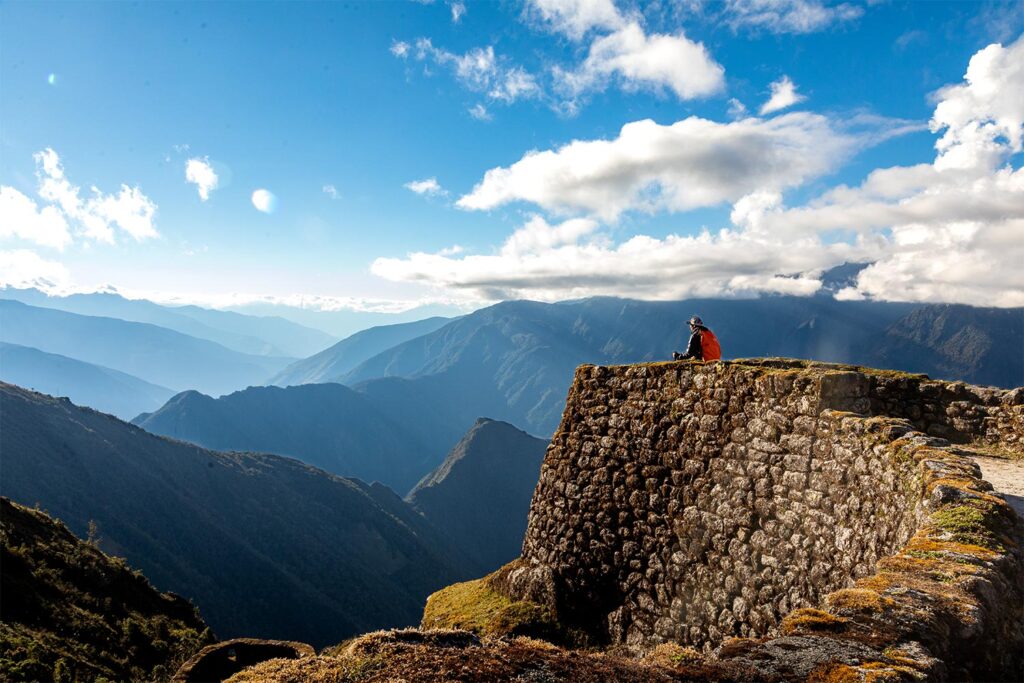
Why Hike the Inca Trail Trek in July?
July is widely regarded as the best time of year to hike the Inca Trail because it falls right in the middle of Peru’s dry season (May–September). During this period, trekkers enjoy stable weather, clear skies, and minimal rainfall—perfect conditions for long hikes and spectacular views of the Andes and Machu Picchu.
Let’s break it down
Ideal Weather Conditions
- Dry season: July is part of the Andean winter, meaning crisp, dry air and sunny days.
- Temperature: Daytime temperatures hover around 18–22°C (64–72°F)—great for hiking. Nights can drop to around 0–5°C (32–41°F), so warm gear is essential.
- Little rainfall: Muddy trails and leeches that appear during the wet season (Nov–Mar) are virtually gone, making trekking more comfortable and safer.
In short: you’ll have blue skies, bright sunshine, and clean, dry paths—ideal for photography and visibility.
Spectacular Scenery and Visibility
During July, the skies are exceptionally clear, allowing for panoramic views of snow-capped peaks like Salkantay and Veronica Mountain, as well as lush valleys and cloud forests.
The sunrise at Inti Punku (the Sun Gate)—the first glimpse of Machu Picchu—is at its most breathtaking, often with low mist that lifts dramatically as the sun rises.
Cultural Vibrancy and Local Festivities
July is one of Peru’s most festive months:
- Fiestas Patrias (Peruvian Independence Day) takes place on July 28–29, filling Cusco (the Inca capital) with parades, fireworks, music, and traditional dance.
- Experiencing this celebration before or after your trek adds a rich cultural dimension to your adventure.
You’ll also find local markets, Andean food fairs, and lively gatherings that bring you closer to the heart of Peruvian culture.
Peak Trekking Season = Great Energy
Because July is the peak trekking month, you’ll meet adventurers from around the world. There’s a unique sense of camaraderie among hikers sharing the trail, which makes the experience even more memorable.
However, this also means permits sell out fast—often 4–6 months in advance—since only 500 people per day (including guides and porters) are allowed on the trail.
Crisp Air and Starry Nights
The high-altitude air in July is cool and dry, making for exceptionally clear night skies. Stargazing in the Andes is magical—away from city lights, you can often see the Milky Way stretch across the horizon.
Weather on the Inca Trail in July
July falls right in the heart of Peru’s dry season (May–September), which makes it one of the best and most popular months to hike the Inca Trail. The weather is typically dry, sunny, and stable, offering excellent visibility of the Andean landscapes and ancient ruins.
Overall Climate
- Season: Andean winter (dry season)
- Average daytime temperatures: 18–22°C (64–72°F)
- Nighttime temperatures: 0–5°C (32–41°F) — can drop below freezing at higher altitudes
- Rainfall: Very low — around 5–10 mm (0.2–0.4 in) total for the month
- Humidity: Low, around 45–55%, so the air feels crisp and dry
What this means: Expect warm, sunny days for trekking and cold, clear nights that are great for stargazing but require good cold-weather gear.
Daytime Conditions
During the day, you’ll likely enjoy bright sunshine with minimal cloud cover. UV levels at high altitudes can be very strong, so wearing sunscreen, sunglasses, and a hat is essential.
Tip: The sun rises early (around 6:00 a.m.) and sets around 6:00 p.m., so most guided treks start early to take advantage of the cooler morning hours.
Nighttime & Early Morning
Nights are cold and crisp, especially at higher camps like Pacaymayo and Phuyupatamarca, which sit above 3,500 meters (11,500 ft).
Morning frost is common, and you may see your breath before sunrise — but once the sun comes up, the temperature rises quickly.
Pro tip: Bring a four-season sleeping bag or rent one in Cusco; it makes a huge difference in comfort.
Altitude Variation
The Inca Trail’s weather can vary by elevation:
| Section | Approx. Altitude | Typical July Conditions |
|---|---|---|
| Cusco (start point) | 3,400 m / 11,150 ft | Cool mornings, mild afternoons |
| Dead Woman’s Pass (highest point) | 4,215 m / 13,828 ft | Cold, windy, possible frost |
| Wiñay Wayna / Machu Picchu (end) | 2,400 m / 7,874 ft | Warmer, more humid, tropical air |
Best Part — The Sky
July offers crystal-clear skies both day and night.
At night, trekkers often see:
- The Milky Way arching overhead
- Bright constellations of the Southern Hemisphere, like the Southern Cross
- Occasional meteor streaks due to minimal light pollution
It’s an excellent time for night photography if you bring a tripod and a good camera.
Pros of Hiking the Inca Trail in July
July falls in the heart of Peru’s dry season, which means excellent weather, spectacular views, and vibrant cultural experiences. Let’s break down the key advantages
The Best Weather of the Year
- July is one of the driest and most stable months on the Inca Trail.
- Expect clear blue skies, low humidity, and little to no rain.
- Perfect hiking conditions: Warm during the day (18–22°C / 64–72°F) and cool at night (0–5°C / 32–41°F).
- Less mud and slippery paths compared to the rainy months (Nov–Mar).
In short: ideal trekking weather with minimal discomfort.
Stunning Mountain Views
- The clear, dry air gives crystal-clear visibility of the Andes.
- You’ll enjoy panoramic views of peaks like Salkantay, Veronica, and the sacred valley.
- Mornings often bring a light mist that lifts beautifully at sunrise — perfect for photography.
- The sunrise over Machu Picchu from Inti Punku (Sun Gate) in July is one of the most magical sights of the entire trek.
Photographers love July for its crisp lighting and dramatic contrasts.
Cultural Richness and Festive Spirit
- July coincides with Peru’s Independence Day (Fiestas Patrias) on July 28–29.
- Cusco, the gateway to the Inca Trail, bursts with parades, music, traditional dances, and fireworks.
- You can immerse yourself in local culture before or after your trek.
- Markets are colorful, food stalls are everywhere, and the whole region feels alive.
It’s not just a hike — it’s a cultural experience.
Peak Season = Great Trail Vibe
- July attracts trekkers from all over the world, creating a friendly, energetic atmosphere on the trail.
- You’ll meet fellow travelers, share stories at campsites, and experience a strong sense of camaraderie.
- Tour companies are in full operation, offering excellent guides and logistics.
There’s something motivating about walking alongside others who share your spirit of adventure.
Amazing Stargazing Opportunities
- With clear skies and minimal light pollution, July nights are perfect for stargazing.
- You can often see the Milky Way, the Southern Cross, and countless constellations.
- The high-altitude air makes the stars appear sharper and brighter than in most places on Earth.
Many trekkers say this is an unforgettable part of their journey.
Easier Trail Conditions
- Dry season means less mud, fewer insects, and more stable terrain.
- Stream crossings are safer and less frequent.
- It’s overall cleaner and more comfortable than during wetter months.
Your boots — and your socks — will thank you.
Healthier Trekking Conditions
- The cooler, dry weather reduces the risk of heat exhaustion or dehydration.
- Trails are well-maintained during this peak period.
- Less humidity means fewer blisters and less discomfort overall.
Small Note
Because July is the peak season, permits and accommodations sell out fast. It’s best to book at least 4–6 months in advance to secure your spot.
Cons of Hiking the Inca Trail in July
While July is one of the most popular and picturesque months to trek the Inca Trail to Machu Picchu, it’s not without its challenges. Understanding these potential drawbacks will help travelers plan wisely and make the most of their experience.
Here are the main disadvantages of hiking the Inca Trail in July, from the perspective of both weather and logistics — key insights especially for travelers booking with expert local operators like Tunqui Expeditions.
Peak Tourist Season = Crowded Trails
July marks the absolute high season for tourism in Peru. Because of the ideal weather and school vacations in the Northern Hemisphere, the Inca Trail becomes one of the most crowded trekking routes in South America.
- Daily permits (limited to 500 people, including guides and porters) sell out months in advance.
- Campsites can feel busy, and popular viewpoints such as Inti Punku (Sun Gate) may attract large groups at sunrise.
- Accommodation in Cusco and Aguas Calientes fills up quickly, with prices often at their annual peak.
Tip: Book your trek with a reputable operator like Tunqui Expeditions at least 4–6 months in advance to secure permits and quality logistics.
Cold Nights at High Altitudes
While the days are sunny and comfortable, nights on the Inca Trail in July can be very cold—especially above 3,500 meters (11,500 ft).
- Temperatures often drop near or below freezing at camps such as Pacaymayo and Phuyupatamarca.
- Early mornings before sunrise can be uncomfortably chilly, making it harder to get moving.
Packing a high-quality sleeping bag and layered clothing is essential for staying warm during overnight stops.
Dry Air and Intense Sun Exposure
The dry season also means low humidity, which can lead to dehydration, chapped lips, and dry skin if you’re not careful.
Additionally, due to the high altitude and thinner atmosphere, UV radiation levels are very strong—even when it feels cool.
To stay safe and comfortable:
- Apply sunscreen SPF 50+ regularly.
- Wear a wide-brimmed hat and polarized sunglasses.
- Drink plenty of water and use a hydration system or reusable bottle.
Higher Prices and Demand
Because July is part of the peak travel season, prices for flights, hotels, and tours are typically higher.
Travelers can expect:
- Premium rates for trekking packages.
- Limited last-minute availability for Machu Picchu entry tickets.
- Higher demand for train services and accommodations in Aguas Calientes.
Booking early with a trusted company like Tunqui Expeditions not only secures your spot but also ensures transparent pricing and ethical treatment of guides and porters.
Limited Flexibility
The high volume of trekkers in July means there’s little room for schedule changes.
If you fall ill or wish to delay your trek, rescheduling may not be possible due to the strict government permit system.
Once the official trekking permit is issued, it is non-transferable and non-refundable — regardless of circumstances.
Occasional Dust and Wind
Because the terrain is so dry in July, dust can become an issue, particularly in open, exposed areas of the trail.
Combined with strong afternoon winds, this can cause discomfort for sensitive eyes or hikers with allergies.
Wearing a light neck gaiter or buff helps protect against dust inhalation.
Recommendations for Hiking the Inca Trail in July
Hiking the Inca Trail in July is one of the most rewarding experiences for adventure travelers visiting Peru. With clear skies, breathtaking views, and a vibrant cultural atmosphere, it’s a bucket-list trek for good reason. However, July also brings specific challenges — from cold nights to crowded trails — that every hiker should be prepared for.
Here are the top recommendations for hiking the Inca Trail in July, compiled from the expertise of professional guides at Tunqui Expeditions, one of the leading local tour operators in Cusco.
Book Your Trek Early
July is the peak of the dry season, which means it’s also the busiest month of the year on the Inca Trail.
The Peruvian government limits daily access to 500 people (including guides and porters), and permits typically sell out 4–6 months in advance.
Tip: Secure your trekking permit early through a trusted company like Tunqui Expeditions, which handles all logistics, including Machu Picchu entry, transport, and high-quality camping equipment.
Acclimatize in Cusco Before You Trek
Cusco sits at an elevation of 3,400 meters (11,150 ft), and altitude sickness is common among first-time visitors.
Spend at least two days in Cusco before starting your hike to allow your body to adjust.
During this time:
- Stay hydrated and avoid alcohol.
- Take light walks around Cusco’s historic center or nearby ruins.
- Try the local coca tea, traditionally used to ease altitude discomfort.
Pro tip: Tunqui Expeditions offers pre-trek briefings and gentle acclimatization tours around the Sacred Valley — perfect for first-time hikers.
Pack for Both Warm Days and Cold Nights
Weather on the Inca Trail in July can vary dramatically between day and night.
- Daytime: Warm and sunny (up to 22°C / 72°F).
- Nighttime: Cold, often near freezing at higher camps.
- Essential items to pack:
Moisture-wicking shirts and hiking pants
- Fleece jacket or down sweater
- Four-season sleeping bag
- Warm hat, gloves, and thermal base layers
- Lightweight rain jacket (for wind protection)
- Sturdy hiking boots and trekking poles
Tunqui Expeditions provides high-quality tents and sleeping mats, but bringing personal comfort items can make your nights much cozier.
Stay Hydrated and Protect Yourself from the Sun
At high altitude, the air is dry and UV exposure is intense — even when it feels cool.
To stay safe:
- Drink 2–3 liters of water per day.
- Use SPF 50+ sunscreen and lip balm with UV protection.
- Wear a wide-brimmed hat and polarized sunglasses.
- Carry electrolyte packets to stay energized during steep climbs.
The strong Andean sun can cause dehydration or headaches faster than you expect — prevention is key.
Experience Local Culture in July
July isn’t just great for trekking — it’s also one of the most festive months in Peru!
The country celebrates Fiestas Patrias (Independence Day) on July 28–29, and Cusco comes alive with traditional music, parades, and street fairs.
Plan a day or two after your trek to enjoy:
- Local celebrations in Cusco’s Plaza de Armas
- Authentic Andean cuisine (try choclo con queso or lomo saltado)
- Artisan markets for handmade souvenirs
Tunqui Expeditions can help you coordinate post-trek cultural activities and local experiences to complete your journey.
Prepare for Early Starts and Long Days
Trekkers often begin early (around 5:00 a.m.) to make the most of daylight and reach camp before sunset.
The most iconic moment — sunrise at Machu Picchu from the Sun Gate (Inti Punku) — requires an early wake-up on the final day.
Recommendation: Go to bed early, keep your headlamp ready, and pack snacks for quick energy in the morning.
Respect the Trail and Support Local Communities
The Inca Trail is both a UNESCO World Heritage Site and a sacred route. Be a responsible traveler by:
- Carrying out all waste
- Avoiding single-use plastics
- Respecting porters and guides who make your trek possible
- Choosing ethical operators like Tunqui Expeditions, who ensure fair wages and sustainable practices
Responsible trekking preserves this ancient path for future generations of explorers.
Hiking the Inca Trail in July offers a perfect blend of clear weather, cultural immersion, and adventure — but it requires smart preparation. With early booking, proper gear, and acclimatization, you’ll enjoy every step of the legendary path leading to Machu Picchu.
By choosing Tunqui Expeditions, you ensure a safe, eco-conscious, and unforgettable trekking experience guided by local experts who know the trail better than anyone.
Why Do People Still Trek the Inca Trail in July?
Every year, despite the cold nights, crowded campsites, and early wake-up calls, thousands of travelers from around the world choose to hike the Inca Trail in July — and for good reason.
This ancient route, winding through the Andean highlands toward the mystical citadel of Machu Picchu, offers something far beyond a simple trek. It’s an experience of history, challenge, and wonder that continues to captivate modern adventurers.
Here’s why people still flock to the Inca Trail in July, even with its challenges.
The Best Weather of the Year
July offers the most reliable weather conditions in the Andes.
The skies are clear, rainfall is rare, and visibility stretches for miles — revealing snow-capped peaks, sacred valleys, and ancient Inca ruins in their full glory.
Trekkers love July because they can experience Machu Picchu exactly as it appears in travel magazines — bathed in sunlight and framed by bright blue skies.
Even if temperatures dip at night, the reward of crisp, clear mornings and breathtaking sunsets makes it worth every shiver.
Once-in-a-Lifetime Scenery
The Inca Trail is more than a hike — it’s a journey through time and landscape. Along the way, trekkers pass through cloud forests, alpine passes, and archaeological sites like Sayacmarca and Phuyupatamarca, each offering a glimpse into the brilliance of Inca engineering.
In July, these sites are often surrounded by lush green vegetation and golden sunlight — ideal for photographers and nature lovers.
Every corner of the trail feels alive with history and natural beauty.
The Energy of the Season
July coincides with Peru’s Independence Day (Fiestas Patrias) celebrations, filling Cusco and surrounding villages with a joyful, festive atmosphere.
Trekkers can combine their journey with cultural immersion — dancing in the streets, tasting local dishes, and connecting with the proud heritage of the Andean people.
The energy of July is contagious: the trail is alive with fellow travelers, laughter around campfires, and the shared excitement of reaching Machu Picchu together.
It’s not just a trek; it’s a cultural and spiritual celebration.
A Sense of Achievement
The Inca Trail is physically demanding — steep climbs, thin air, and long days of walking.
That’s exactly why people do it. The challenge itself makes the experience meaningful.
Reaching the Sun Gate (Inti Punku) at dawn and watching the first rays of sunlight touch Machu Picchu is one of the most profound and emotional moments any traveler can experience.
For many, the Inca Trail isn’t just a destination — it’s a personal journey of endurance, connection, and gratitude.
The Magic of the Andes
In July, the night skies above the Andes are breathtakingly clear.
Trekkers often pause at camp to look up at the Milky Way stretching across the horizon — a reminder of the timeless mystery that defines this sacred land.
The combination of altitude, silence, and natural beauty creates a deep sense of peace and reflection that few other treks in the world can match.
Expert Guidance and Comfort
Modern trekkers are drawn to the Inca Trail in July because local companies like Tunqui Expeditions make the journey both accessible and responsible.
With professional guides, ethical porter support, and high-quality camping equipment, travelers can focus on the experience — not the logistics.
Tunqui Expeditions also prioritizes sustainable tourism and cultural respect, ensuring that each step on this sacred trail benefits local communities and preserves its legacy for future generations.
Multiple Treks for Every Traveler
Even if Inca Trail permits sell out early, many travelers still visit Peru in July for alternative treks that are equally breathtaking:
- Ausangate Trek – High-altitude adventure through glaciers, lagoons, and jungles.
- Lares Trek – Cultural immersion with Andean communities.
- Choquequirao Trek – Remote and epic, known as the “sister city” of Machu Picchu.
Each route offers something different but equally magical — all led by the expert guides of Tunqui Expeditions.
Is It Safe to Visit Machu Picchu in July?
Yes — it is absolutely safe to visit Machu Picchu in July.
In fact, July is one of the safest and most popular months of the year to explore both Machu Picchu and the Inca Trail. Thanks to clear weather, strong tourism infrastructure, and professional local operators like Tunqui Expeditions, travelers can enjoy a secure and unforgettable experience in Peru’s most iconic destination.
Still, it’s important to understand a few key factors about safety, health, and logistics when visiting during this high season.
Stable and Predictable Weather
July falls in Peru’s dry season (May–September) — the best and safest time to visit Machu Picchu.
- Minimal rain: Trails are dry, reducing the risk of slips or landslides.
- Clear visibility: Easier navigation and more reliable transportation.
- Comfortable conditions: Daytime temperatures around 20–22°C (68–72°F) make hiking safe and enjoyable.
Because weather conditions are predictable, there are fewer travel disruptions, making July one of the most secure months for both trekking and sightseeing.
Well-Organized Tourism Infrastructure
Machu Picchu and the Inca Trail are managed with strict safety regulations.
The Peruvian government limits the number of daily visitors, monitors trail conditions, and requires licensed tour operators to meet specific safety standards.
If you trek with a professional company like Tunqui Expeditions, you can count on:
- Certified, bilingual guides trained in first aid and mountain rescue.
- Licensed porters and staff familiar with the terrain.
- Quality camping gear and emergency oxygen at high altitudes.
- Pre-trek briefings and 24/7 local support.
Tip: Always book with authorized tour operators — they ensure compliance with park and safety regulations.
Health and Altitude Safety
The main safety concern for visitors to Machu Picchu in July is altitude sickness, not crime or natural hazards.
Cusco sits at 3,400 meters (11,150 ft), and the highest point on the Inca Trail — Dead Woman’s Pass (4,215 m / 13,828 ft) — can cause mild altitude symptoms like shortness of breath or headaches.
To stay safe:
- Spend 2–3 days acclimatizing in Cusco before your trek.
- Stay hydrated and avoid alcohol.
- Use coca tea or altitude medication (like Diamox) if needed.
Professional guides from Tunqui Expeditions carry first aid kits and oxygen, ensuring trekkers’ health is closely monitored throughout the journey.
Low Crime and Tourist Security
Machu Picchu and the surrounding areas (Cusco, Sacred Valley, Aguas Calientes) are very safe for tourists.
The Peruvian government maintains a strong police presence, and tourism is a vital part of the local economy.
As in any busy destination, travelers should take standard precautions:
- Keep valuables secure and avoid displaying large amounts of cash.
- Use official taxis and authorized tour operators.
- Keep your passport and important documents in a safe location.
With these simple precautions, travelers can explore confidently and comfortably.
Safe Transportation
Transportation to and from Machu Picchu in July is efficient and reliable:
- Trains: PeruRail and Inca Rail operate multiple daily departures from Cusco and Ollantaytambo to Aguas Calientes.
- Buses: Well-maintained shuttles run from Aguas Calientes up to the Machu Picchu entrance.
- Trails: During the dry season, the Inca Trail and alternative routes (like Salkantay and Lares) are at their safest.
All major routes are monitored by park rangers and local authorities to ensure traveler safety.
Pandemic & Health Updates
As of recent years, Peru’s tourism sector has fully reopened, and health protocols remain in place for cleanliness and safety.
Visitors are encouraged to travel with travel insurance that covers medical emergencies and trip cancellations for extra peace of mind.
Final Verdict: Yes, It’s Very Safe
Visiting Machu Picchu in July is safe, stable, and well-organized — the weather is ideal, trails are well-maintained, and professional tour operators ensure top-level safety standards.
Whether you’re trekking the Inca Trail or taking the train from Cusco to Aguas Calientes, July offers the best conditions for a smooth, enjoyable, and secure experience.
With Tunqui Expeditions, you’ll travel with expert guides who prioritize your comfort, safety, and connection to Peru’s cultural heritage every step of the way.
Best Time of Year to Trek the Inca Trail
Trekking the Inca Trail to Machu Picchu is one of the world’s most unforgettable adventures — and choosing the right time of year to go can make all the difference between a good trip and a truly spectacular one.
Because the Inca Trail passes through several different microclimates in the Andes Mountains of Peru, weather conditions and visitor experiences vary significantly throughout the year.
Here’s everything you need to know to decide the best time to hike the Inca Trail, with expert insights from the local specialists at Tunqui Expeditions.
Dry Season (May to September): The Best Time to Trek
Most trekkers agree that the dry season — from May through September — is the best time of year to hike the Inca Trail.
During these months, the weather is clear, the trails are dry, and the visibility of the Andes is at its most breathtaking.
Why It’s Ideal:
- Minimal rainfall makes for safe, stable trekking conditions.
- Bright sunshine and clear blue skies perfect for photography.
- Comfortable temperatures during the day (18–22°C / 64–72°F).
- Stunning sunrise at Machu Picchu, especially in June and July.
Peak months: June, July, and August are the most popular — and for good reason. July, in particular, offers the most consistent weather and the best visibility.
However, because these months are high season, trail permits sell out fast. You’ll need to book 4–6 months in advance with a licensed operator like Tunqui Expeditions to secure your spot.
Rainy Season (November to March): The Quiet Alternative
If you prefer solitude and don’t mind a little rain, the wet season (November–March) can offer a more peaceful experience — but with more challenges.
Considerations:
- Frequent rain showers make trails muddy and slippery.
- Limited visibility due to fog and clouds.
- Inca Trail closes every February for maintenance and conservation.
Still, this period brings lush green landscapes, fewer crowds, and lower prices. For travelers seeking a less crowded but equally scenic trek, alternative routes like the Salkantay Trek or Lares Trek are excellent options — both available year-round with Tunqui Expeditions.
Shoulder Seasons (April & October): The Sweet Spot
For many experienced trekkers, April and October represent the perfect balance between good weather and fewer crowds.
Advantages:
- Mild temperatures and some greenery from recent rains.
- Smaller groups on the trail, creating a calmer atmosphere.
- Greater permit availability compared to the peak season.
These months are great for travelers looking for photogenic landscapes without the intensity of high-season crowds.
Quick Comparison Chart
| Month | Weather | Trail Conditions | Crowds | Best For |
|---|---|---|---|---|
| April | Mild & clear | Drying after rains | Moderate | Balance of weather & crowds |
| May | Sunny & dry | Excellent | High | Start of dry season |
| June | Clear & cool | Excellent | Very high | Festivals & best views |
| July | Sunny & crisp | Perfect | Very high | Ideal weather, vibrant energy |
| August | Cool & dry | Excellent | High | Peak trekking conditions |
| September | Warming up | Stable | Moderate | Fewer crowds |
| October | Mild & green | Slight rain | Moderate | Great balance |
| Nov–Mar | Rainy & humid | Muddy | Low | Off-season adventurers only |
Expert Tip: Choose Based on Priorities
Your “best” time to hike the Inca Trail depends on what kind of experience you want:
| Priority | Best Time to Go |
|---|---|
| Perfect weather & photography | June–July |
| Fewer crowds & good weather | April or October |
| Budget-friendly travel | November–March |
| Cultural festivals (Inti Raymi & Fiestas Patrias) | June–July |
The best time of year to trek the Inca Trail is during the dry season, particularly May to September, when conditions are safest and the views are at their most stunning.
However, every season offers its own beauty — whether it’s the vibrant greenery of the rainy months or the peaceful atmosphere of the shoulder seasons.
By booking early and traveling with a trusted local operator like Tunqui Expeditions, you’ll ensure your journey is not only unforgettable but also safe, responsible, and culturally enriching.
Alternative Treks to the Inca Trail in July
July is the peak month for trekking in Peru, and since Inca Trail permits often sell out months in advance, many travelers choose alternative treks that are just as breathtaking — and often less crowded.
Here are the top Inca Trail alternatives in July, recommended by Tunqui Expeditions, one of Cusco’s most trusted local operators:
Salkantay Trek to Machu Picchu
- Duration: 4–5 days
- Highlights: Snow-capped Salkantay Mountain (6,271 m), tropical cloud forests, and turquoise Humantay Lake.
- Why July? Perfect dry-season conditions with crystal-clear views and minimal rainfall.
- Bonus: No permit required — book anytime with Tunqui Expeditions.
- Duration: 3–4 days
- Highlights: Remote Andean villages, natural hot springs, and authentic Quechua culture.
- Why July? Excellent weather for cultural immersion and photography.
- Ideal for: Travelers seeking a less touristy, community-based trekking experience.
- Duration: 5–7 days
- Highlights: The “sister city of Machu Picchu”, dramatic canyon landscapes, and fewer visitors.
- Why July? Dry trails and stunning mountain visibility make it one of the most rewarding long-distance hikes.
- Duration: 3–4 days
- Highlights: Combines hiking, biking, ziplining, and rafting for an adventure-packed route to Machu Picchu.
- Why July? Clear weather ensures safe, thrilling outdoor conditions.
Why Choose Tunqui Expeditions
All Alternative treks with Tunqui Expeditions include professional local guides, high-quality camping gear, cultural experiences, and ethical porter support. Whether you choose the Inca Trail or an alternative route, July offers the perfect blend of adventure and ideal weather in the Peruvian Andes.
Things to Know Before Hiking the Inca Trail in July
Planning to hike the Inca Trail to Machu Picchu in July? Excellent choice — July is one of the best and most popular months of the year to experience Peru’s legendary trekking route. The weather is clear, the scenery is spectacular, and the cultural energy in Cusco is unforgettable.
However, before you lace up your boots, there are a few important things every trekker should know to make the most of this incredible journey.
Here’s what you should keep in mind, according to the expert guides at Tunqui Expeditions
July Is Peak Season — Book Early
July falls in Peru’s high tourism season, with dry, sunny weather and ideal hiking conditions. Because of this, Inca Trail permits sell out fast — sometimes 6 months in advance.
Only 500 permits per day are issued (including guides and porters), so early booking is essential.
Tip: Reserve your trek with a licensed and experienced operator like Tunqui Expeditions to secure your permit and ensure professional, reliable service.
Prepare for Warm Days and Cold Nights
Weather in July is generally perfect for trekking — clear skies, low humidity, and little to no rain.
However, temperatures can fluctuate significantly:
- Daytime: 18–22°C (64–72°F)
- Nighttime: 0–5°C (32–41°F)
Pack layered clothing so you can adjust easily. Include a warm jacket, thermal layers, and a four-season sleeping bag for chilly nights at high altitude.
Acclimatize Before You Start
Cusco sits at 3,400 meters (11,150 ft) — and the Inca Trail’s highest point, Dead Woman’s Pass, reaches 4,215 meters (13,828 ft).
Altitude sickness can affect anyone, regardless of fitness level.
Recommendations:
- Spend 2–3 days in Cusco before your trek.
- Drink coca tea and stay hydrated.
- Avoid alcohol or heavy meals before hiking.
- Walk slowly and listen to your body during the first day of the trek.
Professional guides from Tunqui Expeditions monitor hikers closely and carry oxygen and first aid equipment for safety.
Pack Smart and Light
Your backpack should include only the essentials — no more than 7 kg (15 lbs) if using a porter service.
Packing essentials for July:
- Sun hat, sunscreen, and sunglasses (UV is strong!)
- Refillable water bottle or hydration pack
- Rain jacket or windbreaker (for occasional wind)
- Headlamp for early starts
- Trekking poles (with rubber tips)
- Personal medications and basic first aid
Tunqui Expeditions provides quality camping gear, tents, and meals — so you can pack lighter and trek comfortably.
Enjoy Peru’s Festive Season
July is not only great for weather — it’s also one of the most festive months in Peru!
The country celebrates Fiestas Patrias (Independence Day) on July 28–29, and Cusco comes alive with parades, dances, and traditional food.
Plan to spend a few extra days before or after your trek to experience this vibrant cultural celebration.
Bring Cash and Valid ID
There are no ATMs on the trail, so carry Peruvian soles (PEN) for small purchases or tips.
You’ll also need your passport for multiple checkpoints — including at the Inca Trail entrance and Machu Picchu gate.
Make sure your passport matches the details on your Inca Trail permit exactly.
Respect the Trail and Local Communities
The Inca Trail is both a UNESCO World Heritage Site and a sacred route.
Follow the Leave No Trace principle:
- Don’t litter or disturb wildlife.
- Respect local customs and porters.
- Support sustainable tour companies like Tunqui Expeditions, who ensure fair treatment of staff and eco-friendly trekking practices.
Final Thoughts
Hiking the Inca Trail in July is one of the most rewarding experiences a traveler can have — combining history, adventure, and culture in one unforgettable journey.
With a bit of preparation, the right gear, and a trusted operator like Tunqui Expeditions, you’ll enjoy the best conditions of the year and memories that last a lifetime.
The Inca Trail Month by Month — What to Expect All Year Round
The Inca Trail to Machu Picchu is a bucket-list trek that offers something special every month of the year. From the dry, sunny days of June to the lush green valleys of December, each season reveals a different side of the Andes.
Here’s a month-by-month guide to help you choose the best time to hike — and plan your adventure with the trusted local experts at Tunqui Expeditions.
- January – Green and Rainy Adventures: Learn more about the Inca Trail in January
- February – Trail Maintenance Month: See alternative treks for February
- March – The Season Reawakens: Discover the Inca Trail in March
- April – Perfect Balance of Sun and Greenery: Read about the Inca Trail in April
- May – The Start of the Dry Season: Explore the Inca Trail in May
- June – Peak Season and Festivities: Hike the Inca Trail in June
- July – Prime Trekking Conditions: Experience the Inca Trail in July
- August – Ideal for Adventure Seekers: See why August is great for the Trek Inca Trail in August
- September – The Shoulder Season Sweet Spot: Learn about the Inca Trail in September
- October – Mild Weather and Fewer Crowds: Discover the Inca Trail in October
- November – Quiet, Lush, and Rewarding: Read about the Inca Trail in November
- December – Lush, Peaceful, and Magical: Explore the Inca Trail in December
No matter when you go, the Inca Trail offers a once-in-a-lifetime adventure. Each month brings its own character — from the crystal-clear skies of June to the emerald valleys of December.
With Tunqui Expeditions, you’ll experience the trail safely and authentically, guided by local experts who know every mountain, ruin, and secret of this sacred route
Frequently Asked Questions About the Inca Trail in July
If you’re planning to hike the Inca Trail to Machu Picchu in July, you probably have a few questions about weather, safety, logistics, and what to expect. Below, the local experts at Tunqui Expeditions answer the most common traveler questions to help you prepare for an unforgettable adventure. More info Inca Trail FAQs.
Is July a good time to hike the Inca Trail?
Absolutely — July is one of the best months of the year to hike the Inca Trail. It falls in Peru’s dry season (May–September), offering clear skies, sunny days, and minimal rainfall.
The weather is ideal for trekking and photography, with spectacular views of the Andes and Machu Picchu.
Just remember that it’s peak season, so booking in advance is essential.
Do I need a permit to hike the Inca Trail in July?
Yes — a government-issued permit is mandatory for all hikers on the Inca Trail, and they are strictly limited to 500 per day (including guides and porters).
Permits for July sell out 4–6 months in advance, so early booking with a licensed tour operator like Tunqui Expeditions is crucial.
If permits are sold out, don’t worry — Tunqui Expeditions also offers stunning alternative treks such as the Salkantay, Lares, or Choquequirao routes.
How cold does it get in July?
Days are pleasantly warm (around 18–22°C / 64–72°F), but nights at high altitude can drop to 0°C / 32°F or lower.
Bring layered clothing, thermal wear, and a four-season sleeping bag to stay comfortable at night.
Pro Tip: Tunqui Expeditions provides quality tents and sleeping equipment for extra warmth and comfort.
Do I need to acclimatize before the trek?
Yes — spending at least 2–3 days in Cusco before starting the hike is strongly recommended.
Cusco’s elevation (3,400 m / 11,150 ft) gives your body time to adjust and helps prevent altitude sickness.
During this time, stay hydrated, eat light meals, and take short walks or city tours.
Is it safe to hike the Inca Trail in July?
Yes — July is one of the safest months to trek the Inca Trail. The trails are dry, visibility is excellent, and there’s a strong tourism infrastructure in place.
When you travel with Tunqui Expeditions, you’re accompanied by certified guides trained in first aid and altitude management, ensuring your safety throughout the journey.
What should I pack for the Inca Trail in July?
Pack light but smart. Essential items include: More info Ultimate Inca Trail Packing List.
- Lightweight hiking clothes and a warm jacket
- Hat, sunscreen, and sunglasses (UV rays are strong)
- Refillable water bottle or hydration pack
- Headlamp for early starts
- Trekking poles (with rubber tips)
- Passport (required for checkpoints)
Tunqui Expeditions provides tents, sleeping mats, meals, and duffel bags for porters to carry — so you can enjoy the trek with a light daypack.
Is the Inca Trail open in July?
Yes — the Inca Trail is fully open in July. The only annual closure happens in February, when the trail undergoes maintenance and conservation work.
July offers the best trail conditions of the year, with minimal rain and excellent visibility.
How far in advance should I book?
For July departures, it’s recommended to book at least 6 months in advance.
Permits can sell out quickly — especially for dates near Peru’s national holidays (Fiestas Patrias, July 28–29).
Tunqui Expeditions can handle all permits, tickets, and logistics for a seamless experience.
Are there fewer crowds on alternative treks?
Yes — if you prefer quieter trails, consider the Salkantay, Lares, or Choquequirao treks.
They don’t require permits, offer equally stunning views, and are less crowded in July.
All of these routes can be organized through Tunqui Expeditions, with expert local guides and authentic cultural experiences.
What makes hiking in July special?
July combines perfect trekking weather, vibrant festivals in Cusco, and clear sunrise views of Machu Picchu.
It’s also when Peru celebrates its Independence Day, filling the region with music, dance, and color — making your trip even more memorable.
Conclusion: Should You Hike the Inca Trail in July?
If you’re asking whether you should hike the Inca Trail in July, the answer is a confident yes — as long as you’re prepared.
July offers the best weather of the year, with clear skies, dry trails, and breathtaking views of the Andes and Machu Picchu. It’s the perfect month for trekkers who value good visibility, comfortable hiking conditions, and a vibrant cultural atmosphere. From the sunrise at Inti Punku (Sun Gate) to the energy of Peru’s Independence Day celebrations, July captures the very best of the Inca Trail experience.
However, July is also the busiest month for tourism, meaning that permits and accommodations must be booked well in advance — ideally 4–6 months ahead. The nights can be cold, and the crowds larger, but the rewards far outweigh the challenges.
With the right preparation, proper acclimatization, and support from an experienced local operator like Tunqui Expeditions, your trek will be safe, seamless, and unforgettable. Their professional guides, ethical porters, and commitment to sustainable travel ensure you’ll experience the Inca Trail exactly as it should be — responsibly, authentically, and full of wonder.