 Español
  English

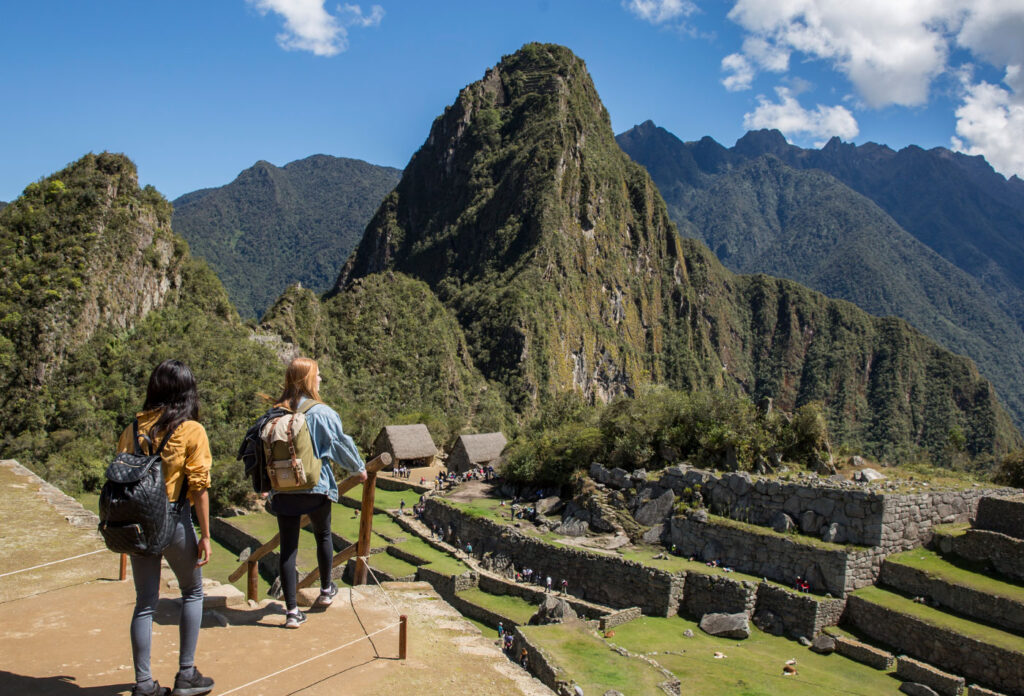
The Inca Trail in August offers one of the most rewarding and visually stunning trekking experiences in the Peruvian Andes. As one of the final months of the dry season, August combines clear blue skies, crisp mountain air, and unforgettable views of Machu Picchu — making it one of the best times of the year to complete this legendary journey.
Walking along ancient stone pathways built more than 500 years ago, trekkers are treated to a spectacular mix of history, culture, and natural beauty. From high-altitude mountain passes to lush cloud forests, every step of the Inca Trail to Machu Picchu reveals the engineering genius and spiritual depth of the Inca civilization.
August is ideal for travelers who value stable weather and excellent visibility. Daytime temperatures are pleasantly warm, while the nights remain cool and dry — perfect for camping beneath the Andean stars. However, because August is still part of the peak tourist season, it’s essential to book your trekking permit and guided tour in advance.
Companies like Tunqui Expeditions, a trusted local operator based in Cusco, provide expertly guided experiences that balance comfort, safety, and authenticity. With their professional team and commitment to sustainable tourism, hikers can focus on the adventure — not the logistics.
Why Trek the Inca Trail in August?
If you’re wondering whether August is a good time to hike the Inca Trail to Machu Picchu, the answer is an enthusiastic yes!
August offers some of the best trekking conditions of the year, combining crystal-clear weather, breathtaking views, and a vibrant atmosphere in the heart of the Andes.
Here’s why thousands of travelers from around the world choose to trek the Inca Trail in August — and why it might be the perfect time for you too.
Excellent Weather Conditions
August falls in Peru’s dry season (May–September), which means you can expect sunny days, cool nights, and almost zero rainfall.
The trails are firm, the skies are bright blue, and the views of the Andes Mountains, Sacred Valley, and Machu Picchu are as clear as they get.
Average daytime temperatures range from 18°C to 22°C (64–72°F) — perfect for hiking — while the cool evenings make campfires and stargazing a nightly highlight.
Pro Tip: Bring layers. Even though it’s dry, early mornings and high-altitude camps can be chilly.
Unmatched Visibility for Photography
August offers exceptional visibility for photographers and nature lovers.
With low humidity and crystal-clear air, trekkers enjoy panoramic views of snow-capped peaks such as Salkantay and Veronica, as well as lush valleys and ancient ruins along the route.
The sunrise at Inti Punku (the Sun Gate) — your first glimpse of Machu Picchu — is often at its most spectacular this month.
Bring a good camera or smartphone — August light is some of the best for mountain photography all year.
Energetic, Social Trekking Atmosphere
August remains part of the high season, meaning the Inca Trail is alive with trekkers from across the globe.
The shared sense of challenge and discovery creates a unique atmosphere of camaraderie and motivation on the trail.
If you enjoy meeting fellow travelers and sharing the adventure, August is a fantastic time to go.
Breathtaking Night Skies
The dry air and lack of light pollution make August one of the best times for stargazing in the Andes.
At high-altitude camps, trekkers can see the Milky Way, Southern Cross, and countless constellations — an unforgettable sight after a day of hiking through history.
Few places on Earth offer night skies as clear and magical as those over the Peruvian Andes in August.
Professional & Safe Trekking with Tunqui Expeditions
The Inca Trail is a protected route, and only licensed tour operators can provide access.
Choosing a trusted, locally owned company like Tunqui Expeditions ensures a safe, comfortable, and authentic experience.
Tunqui Expeditions stands out for:
- Expert bilingual guides trained in first aid and mountain safety
- Ethical treatment and fair wages for porters
- Sustainable tourism practices that respect the environment and local communities
- High-quality camping gear, delicious meals, and personalized service
Whether you’re a first-time trekker or an experienced hiker, Tunqui Expeditions provides everything you need for a smooth, memorable journey along the Inca Trail in August.
Cultural Warmth and Andean Spirit
August is a month when the Andean highlands are full of life — harvest festivals, traditional markets, and local celebrations abound.
Trekking during this time allows you to connect with Peruvian culture, meet local Quechua people, and witness authentic mountain traditions along the route.
It’s more than a trek — it’s a journey through the living history and heart of Peru.
In Summary Inca Trail Trek
Hiking the Inca Trail in August means perfect weather, stunning views, rich culture, and a friendly, adventurous atmosphere.
It’s the ideal time to experience the magic of the Andes, from sunrise at Machu Picchu to starlit nights at high camp.
For a safe, ethical, and expertly guided trek, trust the local specialists at Tunqui Expeditions — your gateway to an unforgettable Peruvian adventure.
Weather on the Inca Trail in August
The Inca Trail in August offers some of the best weather conditions of the year for trekking to Machu Picchu. August falls right in the middle of Peru’s dry season (May–September), making it a favorite month among hikers who want clear skies, stable temperatures, and minimal rainfall.
With near-perfect visibility and crisp mountain air, August is ideal for those seeking both comfort and adventure on one of the world’s most iconic trails.
Dry, Sunny Days
August is part of the Andean winter, meaning cool mornings, sunny afternoons, and virtually no rain.
- Average daytime temperatures: 18–22°C (64–72°F)
- Early morning & nighttime temperatures: 0–5°C (32–41°F)
The air is dry, and the sunlight is strong — perfect for hiking and photography. However, UV levels are high at altitude, so sunscreen, sunglasses, and a wide-brimmed hat are essential.
Pro Tip: Trekking early in the morning allows you to enjoy cooler temperatures and magical lighting for photos.
Cool Evenings and Cold Nights
At higher elevations, such as Dead Woman’s Pass (4,215 m / 13,828 ft) or the Pacaymayo campsite, nights can get quite cold — sometimes dropping below freezing.
This means warm layers and a four-season sleeping bag are a must.
Tunqui Expeditions provides high-quality camping gear, insulated tents, and thick sleeping mats to ensure a warm and comfortable rest even in chilly mountain conditions.
Campfires and hot meals at night make the evenings cozy and enjoyable.
Clear Skies and Spectacular Views
One of the greatest advantages of trekking the Inca Trail in August is the remarkable visibility.
The skies are typically bright blue, offering breathtaking panoramic views of the Andes, Sacred Valley, and distant snow-capped peaks like Salkantay and Veronica Mountain.
This clarity also makes sunrises and sunsets truly unforgettable, especially the one from Inti Punku (the Sun Gate) overlooking Machu Picchu.
August is one of the best months for mountain and landscape photography in Peru.
Stunning Night Skies
Because the skies are so clear and humidity is low, August offers some of the most spectacular stargazing opportunities on the Inca Trail.
From your campsite, you can often see:
- The Milky Way stretching across the Andes
- The Southern Cross constellation
- Shooting stars in the crisp night air
The experience of lying under a blanket of stars, surrounded by ancient mountains, is one of the hidden joys of trekking in August.
Low Rainfall, High Altitude
Rain is rare in August, but remember: the Andes have microclimates.
As you descend from high passes toward Machu Picchu (2,430 m / 7,972 ft), the climate becomes warmer and slightly more humid due to the transition into the cloud forest.
While rain gear is rarely needed, carrying a light rain jacket or poncho is smart — just in case of brief mountain drizzles.
Ideal Conditions for Trekking
August offers the perfect balance between comfortable temperatures, dry trails, and vivid scenery.
There’s minimal mud, fewer insects, and a very low risk of landslides compared to the rainy season.
This makes August one of the safest and most enjoyable months to trek the Inca Trail — especially when guided by experienced local experts like Tunqui Expeditions
, who ensure safety, comfort, and authentic cultural immersion at every step.
Summary: August Weather at a Glance
| Condition | Description |
|---|---|
| Daytime | Sunny and mild (18–22°C / 64–72°F) |
| Nighttime | Cold (0–5°C / 32–41°F) |
| Rainfall | Minimal – part of the dry season |
| Humidity | Low and comfortable |
| Visibility | Excellent for photography |
| Night Sky | Clear, star-filled skies |
The weather on the Inca Trail in August is about as close to perfect as it gets — sunny, dry, and stable, with crisp mountain air and stunning visibility.
Whether you’re a seasoned hiker or a first-time adventurer, August offers the most enjoyable and safe conditions for reaching Machu Picchu.
With Tunqui Expeditions handling logistics, gear, and expert guidance, all you need to do is walk, breathe, and take in the magic of the Andes.
Pros of Hiking the Inca Trail in August
August is one of the best months of the year to experience the Inca Trail to Machu Picchu. Falling in the heart of Peru’s dry season, this month offers clear skies, perfect trekking weather, and spectacular views of the Andes.
If you’re planning your trek with an experienced local company like Tunqui Expeditions, August provides the ideal combination of natural beauty, comfort, and cultural energy.
Here are the top advantages of hiking the Inca Trail in August:
Ideal Weather Conditions
August brings stable, dry, and sunny weather — perfect for trekking.
You can expect bright mornings, mild afternoons, and very little rain, making the trail conditions safe and enjoyable.
- Daytime temperatures: 18–22°C (64–72°F)
- Nighttime temperatures: 0–5°C (32–41°F)
Pro Tip: Pack layers to adjust easily between cool mornings and warm hiking hours.
Incredible Mountain Visibility
The clear air and low humidity in August make for stunning panoramic views of the Andes.
From the majestic Veronica Peak to the snow-capped Salkantay Mountain, the scenery is at its most photogenic.
Sunrises and sunsets are especially dramatic this month — particularly the iconic sunrise over Machu Picchu viewed from Inti Punku (the Sun Gate).
For photographers, August is a dream come true.
Dry Trails and Comfortable Trekking
Unlike the rainy season, August offers firm, dry trails with minimal mud and no slippery sections.
This means:
- Easier footing
- Less risk of injury
- Cleaner campsites and gear
Tunqui Expeditions provides sturdy trekking poles, quality tents, and experienced guides to make your journey as safe and comfortable as possible.
Crystal-Clear Night Skies
One of the most magical parts of hiking the Inca Trail in August is the night sky.
With almost zero humidity and minimal light pollution, you can often see the Milky Way, the Southern Cross, and countless shooting stars.
It’s a surreal experience — camping under a vast Andean sky filled with stars, surrounded by ancient mountains.
Lively Atmosphere and Cultural Energy
August is still part of Peru’s high season, so the trail is full of fellow adventurers from around the world.
The shared energy and camaraderie among hikers create a positive and inspiring environment throughout the trek.
In Cusco, nearby villages often host post-harvest celebrations, giving travelers a glimpse into authentic Andean culture.
It’s a great time to combine your trek with a cultural immersion experience.
Reliable Trail Operations
Because August is the peak trekking season, all logistics — from trail permits to transportation and campsite organization — operate at full capacity.
This ensures a smooth experience, especially when traveling with a licensed operator like Tunqui Expeditions.
Their experienced team handles all details:
- Government permits and Machu Picchu entry
- Ethical porter support
- Delicious Andean-inspired meals
- First-aid-trained guides and quality gear
All you have to do is enjoy the journey.
Low Rainfall = Fewer Insects
The dry climate in August means there are fewer mosquitoes and bugs, especially compared to the humid months (Nov–Mar).
You’ll spend less time worrying about bites and more time enjoying the scenery.
Summary of August Advantages
| Advantage | Description |
|---|---|
| Perfect weather | Dry, sunny, and stable conditions |
| Amazing visibility | Clear mountain and sunrise views |
| Dry trails | Comfortable, safe hiking paths |
| Star-filled nights | Excellent for stargazing |
| Cultural richness | Andean festivals and vibrant Cusco |
| Professional guidance | Reliable tours with Tunqui Expeditions |
| Few insects | Comfortable trekking environment |
Trekking the Inca Trail in August offers everything adventurers dream of — ideal weather, unforgettable views, and a spirited atmosphere.
It’s one of the most reliable and rewarding months to take on this ancient route.
When you travel with Tunqui Expeditions, you not only enjoy a seamless and safe trekking experience but also contribute to sustainable tourism that supports local communities in the Andes.
Cons of Hiking the Inca Trail in August
While August is one of the best months for trekking the Inca Trail to Machu Picchu, it’s not without its challenges. Understanding the potential drawbacks will help you prepare properly — and enjoy the experience to the fullest.
Here are the main cons of hiking the Inca Trail in August, along with tips from the local experts at Tunqui Expeditions on how to handle them.
Peak Tourist Season = Crowded Trails
August falls right in the middle of Peru’s high tourism season, which runs from May through September.
The weather is perfect — and everyone knows it. As a result:
- Inca Trail permits sell out months in advance (sometimes up to 6 months).
- Campsites and viewpoints, especially Inti Punku (the Sun Gate), can get busy.
- Cusco and Aguas Calientes see increased hotel demand and higher prices.
Tip: Book early with a licensed local company like Tunqui Expeditions, which handles permits, lodging, and logistics to make your trek stress-free.
Cold Nights at High Altitudes
Even though the days are sunny and pleasant, nighttime temperatures can drop to freezing, especially above 3,500 meters (11,500 ft).
At camps such as Pacaymayo or Phuyupatamarca, temperatures can dip to 0°C (32°F) or lower.
Solution: Bring a four-season sleeping bag, warm thermal layers, and gloves.
Tunqui Expeditions provides insulated tents and warm sleeping mats to ensure comfort on chilly Andean nights.
Strong Sun and Dry Air
The Andean sun in August can be intense due to high altitude and low humidity.
Trekkers are more prone to sunburn, dry skin, and dehydration.
To stay safe:
- Apply SPF 50+ sunscreen regularly.
- Wear a wide-brimmed hat and polarized sunglasses.
- Drink 2–3 liters of water daily (hydration packs are very useful).
The bright sun is beautiful — but it requires extra care.
Higher Prices During Peak Season
Because August is part of the most popular trekking window, prices for:
- Hotels in Cusco and Aguas Calientes
- Domestic flights
- Trekking tours
are typically higher than during shoulder or rainy seasons.
Booking well in advance with Tunqui Expeditions helps lock in fair rates and avoid last-minute price surges.
Limited Flexibility
Due to the strict Inca Trail permit system, each trek is non-transferable and non-refundable once booked.
If you fall ill, experience delays, or need to reschedule, your permit can’t be changed to another date.
Solution: Travel with insurance that covers cancellations, and plan to arrive in Cusco at least 2–3 days early for acclimatization and any unforeseen delays.
Occasional Dust and Wind
August is one of the driest months, which means parts of the trail — especially high passes — can get dusty and windy.
For those with allergies or sensitive eyes, this may cause mild discomfort.
Quick fix: Bring a neck gaiter or buff to cover your nose and mouth, and hydrating eye drops if needed.
Summary: Drawbacks at a Glance
| Challenge | Description | Solution |
|---|---|---|
| Crowds | Busy campsites and trails | Book early with Tunqui Expeditions |
| Cold nights | Freezing temperatures at altitude | Pack warm layers and quality sleeping gear |
| Strong sun | Intense UV exposure | Use sunscreen and stay hydrated |
| High prices | Peak-season costs | Reserve early for better rates |
| Rigid permits | Non-changeable trek dates | Plan ahead and buy travel insurance |
| Dust & wind | Dry mountain conditions | Use a face covering or buff |
Hiking the Inca Trail in August comes with a few logistical and environmental challenges — but none that can’t be managed with proper preparation and a reliable trekking company.
When you travel with Tunqui Expeditions, you’ll benefit from expert guidance, top-quality gear, and seamless organization that minimizes the impact of these drawbacks.
Despite the cold nights and crowds, August remains one of the most rewarding months to experience the magic of the Inca Trail — dry weather, spectacular views, and a true sense of adventure await.
Recommendations for Hiking the Inca Trail in August
Hiking the Inca Trail in August is one of the most rewarding experiences you can have in Peru. With dry, sunny days, stunning visibility, and lively cultural energy, this month is ideal for exploring the ancient paths of the Incas.
However, because August also falls in the peak trekking season, planning and preparation are key. Here are the top recommendations from the experts at Tunqui Expeditions
to make your journey safe, comfortable, and unforgettable.
Book Your Inca Trail Permit Early
The Inca Trail is regulated by a strict permit system allowing only 500 people per day (including guides and porters).
Permits for August sell out up to six months in advance due to high demand.
Recommendation: Book your trek early with a licensed local operator like Tunqui Expeditions, which manages your permits, Machu Picchu entry tickets, transportation, and logistics.
If permits are gone, consider scenic alternative treks such as the Salkantay, Lares, or Choquequirao routes — all available through Tunqui Expeditions.
Acclimatize in Cusco Before the Trek
Cusco sits at 3,400 meters (11,150 ft), and the Inca Trail’s highest point — Dead Woman’s Pass (4,215 m / 13,828 ft) — can challenge even experienced hikers.
Spending 2–3 days in Cusco before your trek helps your body adjust to the altitude.
Tips for acclimatization:
- Drink plenty of water and coca tea.
- Eat light, easily digestible meals.
- Avoid alcohol for the first couple of days.
- Take gentle walks or city tours before the hike.
Tunqui Expeditions offers acclimatization activities in and around Cusco, such as short hikes and cultural tours, to help you prepare physically and mentally.
Pack for All Temperatures
August weather is generally dry and pleasant, but temperatures can swing dramatically between day and night.
Essential items to pack:
- Breathable hiking shirts and pants
- Fleece or down jacket
- Thermal base layers for nights
- Warm hat and gloves
- Wide-brimmed hat, sunscreen, and sunglasses
- Four-season sleeping bag
- Refillable water bottle or hydration pack
Tunqui Expeditions provides high-quality tents, sleeping mats, and duffel bags for porters to carry your gear — allowing you to hike light and comfortably.
Stay Hydrated and Protect Yourself from the Sun
The Andean air in August is dry, and the high-altitude sun is intense. Dehydration and sunburn are common among first-time hikers.
Safety recommendations:
- Drink at least 2–3 liters of water daily.
- Bring electrolyte packets or rehydration tablets.
- Apply SPF 50+ sunscreen every few hours.
- Protect your lips with UV lip balm.
Remember: even when it feels cool, the mountain sun is strong.
Start Early to Enjoy the Best Views
Trekkers typically begin each hiking day around 5:00–6:00 a.m., when temperatures are cooler and light conditions are ideal for photography.
The highlight comes on the final day: reaching Inti Punku (the Sun Gate) at dawn for your first view of Machu Picchu bathed in golden light.
An early start rewards you with fewer crowds and unforgettable sunrise photos.
Respect the Trail and Local Communities
The Inca Trail is both a UNESCO World Heritage Site and a sacred path for Andean people.
Show respect by:
- Not littering or leaving waste behind.
- Using refillable bottles (no single-use plastics).
- Treating guides and porters with kindness and gratitude.
- Learning a few Quechua words — locals deeply appreciate it!
Tunqui Expeditions is committed to sustainable and ethical trekking, ensuring fair wages for porters and eco-friendly travel practices that protect Peru’s natural and cultural heritage.
Combine Your Trek with a Cultural Experience
August is a festive month across the Andes. From Cusco’s regional fairs to village celebrations after harvest season, it’s the perfect time to immerse yourself in local traditions.
Extend your stay to explore:
- The colorful markets of Pisac and Chinchero.
- Traditional Andean weaving workshops.
- Local cuisine — try lomo saltado or chuño soup.
Tunqui Expeditions can help you design a personalized itinerary that blends trekking with authentic cultural experiences.
Is It Safe to Visit Machu Picchu in August?
Yes — it is very safe to visit Machu Picchu in August.
In fact, August is one of the safest and most reliable months of the year to travel to this world-famous Inca citadel. With stable weather, dry conditions, and strong tourism infrastructure, it’s an ideal time for both independent travelers and guided trekkers exploring the Inca Trail or other routes to Machu Picchu.
Here’s what makes August such a secure and worry-free month to visit — along with expert advice from the trusted team at Tunqui Expeditions.
Stable and Predictable Weather
August falls in Peru’s dry season (May–September), which means clear skies, minimal rainfall, and comfortable temperatures.
- Daytime: 18–22°C (64–72°F)
- Nighttime: 0–5°C (32–41°F)
The absence of heavy rain reduces risks like mudslides, flooding, or slippery trails — common concerns during the wet months (November–March).
Result: Excellent visibility, safe trekking conditions, and worry-free travel days from Cusco to Machu Picchu.
Reliable Transportation and Infrastructure
August is peak season, so transportation and tourism services operate at full capacity.
- Trains between Cusco–Ollantaytambo–Aguas Calientes run frequently and reliably.
- Buses from Aguas Calientes to Machu Picchu are punctual and well-maintained.
- Roads are in good condition due to the dry weather.
Booking with a reputable local operator like Tunqui Expeditions ensures a seamless travel experience, with all logistics — tickets, permits, and transfers — handled professionally.
Strong Safety Measures on the Inca Trail
The Inca Trail is highly regulated by the Peruvian government to preserve its cultural and environmental value.
Only licensed tour companies are allowed to operate, and rangers monitor the trail daily.
Tunqui Expeditions prioritizes safety by providing:
- Certified guides trained in first aid and altitude management
- Emergency oxygen and communication devices on all treks
- Well-maintained equipment (tents, mats, and first-aid kits)
- Proper acclimatization schedules for every traveler
You’re in good hands from start to finish.
Health and Altitude Safety
The primary challenge for most visitors isn’t crime or weather — it’s altitude.
Cusco sits at 3,400 m (11,150 ft), and the Inca Trail reaches 4,215 m (13,828 ft) at its highest point.
To stay healthy:
- Spend 2–3 days acclimatizing in Cusco before hiking.
- Drink water regularly and avoid alcohol before trekking.
- Use coca tea or altitude medicine (such as Diamox) if necessary.
Tunqui Expeditions includes acclimatization support and health monitoring in all its multi-day treks.
Low Crime Rate and Safe Tourist Zones
Machu Picchu, Cusco, and Aguas Calientes are very safe for travelers.
Petty theft is rare, and violent crime is extremely uncommon in tourist areas.
As with any global destination, it’s wise to:
- Keep valuables secure.
- Use official taxis or transfers organized by your tour company.
- Avoid leaving bags unattended in public spaces.
The presence of tourist police and park rangers ensures added peace of mind.
Travel Preparedness Tips
- Even though August is a safe month to visit, a few extra precautions go a long way:
- Carry travel insurance that covers medical emergencies and cancellations.
- Pack for temperature changes — warm gear for nights and sun protection for days.
- Keep your passport and Machu Picchu entry ticket accessible for park entry.
Tunqui Expeditions handles all official permits and park documentation for a worry-free experience.
August offers the perfect combination of safety, comfort, and adventure for anyone visiting Machu Picchu. With its clear weather, organized tourism system, and dedicated local guides, the Inca Trail is both secure and spectacular during this month.
For a smooth, stress-free journey, trust Tunqui Expeditions — a certified local tour operator that ensures your safety, comfort, and cultural connection every step of the way.
Best Time of Year to Trek the Inca Trail
Trekking the Inca Trail to Machu Picchu is one of the world’s most unforgettable adventures — and choosing the right time of year to go can make all the difference between a good trip and a truly spectacular one.
Because the Inca Trail passes through several different microclimates in the Andes Mountains of Peru, weather conditions and visitor experiences vary significantly throughout the year.
Here’s everything you need to know to decide the best time to hike the Inca Trail, with expert insights from the local specialists at Tunqui Expeditions.
Dry Season (May to September): The Best Time to Trek
Most trekkers agree that the dry season — from May through September — is the best time of year to hike the Inca Trail.
During these months, the weather is clear, the trails are dry, and the visibility of the Andes is at its most breathtaking.
Why It’s Ideal:
- Minimal rainfall makes for safe, stable trekking conditions.
- Bright sunshine and clear blue skies perfect for photography.
- Comfortable temperatures during the day (18–22°C / 64–72°F).
- Stunning sunrise at Machu Picchu, especially in June and July.
Peak months: June, July, and August are the most popular — and for good reason. July, in particular, offers the most consistent weather and the best visibility.
However, because these months are high season, trail permits sell out fast. You’ll need to book 4–6 months in advance with a licensed operator like Tunqui Expeditions to secure your spot.
Rainy Season (November to March): The Quiet Alternative
If you prefer solitude and don’t mind a little rain, the wet season (November–March) can offer a more peaceful experience — but with more challenges.
Considerations:
- Frequent rain showers make trails muddy and slippery.
- Limited visibility due to fog and clouds.
- Inca Trail closes every February for maintenance and conservation.
Still, this period brings lush green landscapes, fewer crowds, and lower prices. For travelers seeking a less crowded but equally scenic trek, alternative routes like the Salkantay Trek or Lares Trek are excellent options — both available year-round with Tunqui Expeditions.
Shoulder Seasons (April & October): The Sweet Spot
For many experienced trekkers, April and October represent the perfect balance between good weather and fewer crowds.
Advantages:
- Mild temperatures and some greenery from recent rains.
- Smaller groups on the trail, creating a calmer atmosphere.
- Greater permit availability compared to the peak season.
These months are great for travelers looking for photogenic landscapes without the intensity of high-season crowds.
Quick Comparison Chart
| Month | Weather | Trail Conditions | Crowds | Best For |
|---|---|---|---|---|
| April | Mild & clear | Drying after rains | Moderate | Balance of weather & crowds |
| May | Sunny & dry | Excellent | High | Start of dry season |
| June | Clear & cool | Excellent | Very high | Festivals & best views |
| July | Sunny & crisp | Perfect | Very high | Ideal weather, vibrant energy |
| August | Cool & dry | Excellent | High | Peak trekking conditions |
| September | Warming up | Stable | Moderate | Fewer crowds |
| October | Mild & green | Slight rain | Moderate | Great balance |
| Nov–Mar | Rainy & humid | Muddy | Low | Off-season adventurers only |
Expert Tip: Choose Based on Priorities
Your “best” time to hike the Inca Trail depends on what kind of experience you want:
| Priority | Best Time to Go |
|---|---|
| Perfect weather & photography | June–July |
| Fewer crowds & good weather | April or October |
| Budget-friendly travel | November–March |
| Cultural festivals (Inti Raymi & Fiestas Patrias) | June–July |
The best time of year to trek the Inca Trail is during the dry season, particularly May to September, when conditions are safest and the views are at their most stunning.
However, every season offers its own beauty — whether it’s the vibrant greenery of the rainy months or the peaceful atmosphere of the shoulder seasons.
By booking early and traveling with a trusted local operator like Tunqui Expeditions, you’ll ensure your journey is not only unforgettable but also safe, responsible, and culturally enriching.
Alternative Treks to the Inca Trail in August
July is the peak month for trekking in Peru, and since Inca Trail permits often sell out months in advance, many travelers choose alternative treks that are just as breathtaking — and often less crowded.
Here are the top Inca Trail alternatives in August, recommended by Tunqui Expeditions, one of Cusco’s most trusted local operators:
Salkantay Trek to Machu Picchu
- Duration: 4–5 days
- Highlights: Snow-capped Salkantay Mountain (6,271 m), tropical cloud forests, and turquoise Humantay Lake.
- Why July? Perfect dry-season conditions with crystal-clear views and minimal rainfall.
- Bonus: No permit required — book anytime with Tunqui Expeditions.
- Duration: 3–4 days
- Highlights: Remote Andean villages, natural hot springs, and authentic Quechua culture.
- Why July? Excellent weather for cultural immersion and photography.
- Ideal for: Travelers seeking a less touristy, community-based trekking experience.
- Duration: 5–7 days
- Highlights: The “sister city of Machu Picchu”, dramatic canyon landscapes, and fewer visitors.
- Why July? Dry trails and stunning mountain visibility make it one of the most rewarding long-distance hikes.
- Duration: 3–4 days
- Highlights: Combines hiking, biking, ziplining, and rafting for an adventure-packed route to Machu Picchu.
- Why July? Clear weather ensures safe, thrilling outdoor conditions.
Why Choose Tunqui Expeditions
All Alternative treks with Tunqui Expeditions include professional local guides, high-quality camping gear, cultural experiences, and ethical porter support. Whether you choose the Inca Trail or an alternative route, July offers the perfect blend of adventure and ideal weather in the Peruvian Andes.
Things to Know Before Hiking the Inca Trail in August
The Inca Trail in August is one of the most popular and rewarding times of the year to hike this legendary route to Machu Picchu. With its sunny skies, cool evenings, and dry trails, August offers near-perfect conditions — but it also comes with a few key things to plan and prepare for.
Here are the essential things every hiker should know before starting the trek, according to the expert guides at Tunqui Expeditions.
August Is Peak Season — Book Early
August falls in Peru’s high tourism season, meaning Inca Trail permits are in extremely high demand.
The Peruvian government limits entry to 500 people per day (including guides and porters), and permits often sell out 5–6 months in advance.
Tip: Book your trek early with a licensed local operator like Tunqui Expeditions, which manages permits, transportation, Machu Picchu tickets, and experienced guides for a seamless experience.
If permits are sold out, Tunqui Expeditions also offers stunning alternative treks like Salkantay, Lares, or Choquequirao, which don’t require permits.
Acclimatization Is Essential
Cusco sits at 3,400 meters (11,150 ft), and the Inca Trail reaches up to 4,215 meters (13,828 ft) at Dead Woman’s Pass — the trek’s highest point.
To avoid altitude sickness, plan to spend at least 2–3 days acclimatizing in Cusco before starting your hike.
Acclimatization Tips:
- Drink plenty of water and coca tea.
- Avoid alcohol for the first few days.
- Eat light, healthy meals.
- Take short walks or local tours to adjust gradually.
Tunqui Expeditions offers acclimatization tours and detailed briefings before your trek begins.
Pack for Both Warm Days and Cold Nights
August brings sunny afternoons but chilly evenings. Temperatures can range from 20°C (68°F) during the day to 0°C (32°F) at night.
Packing essentials:
- Light, breathable hiking clothes
- Warm jacket or fleece for nights
- Thermal base layers
- Gloves, hat, and scarf
- Sunscreen, sunglasses, and lip balm
- Four-season sleeping bag
Tunqui Expeditions provides high-quality tents, sleeping mats, and duffel bags carried by porters — so you can pack lighter and trek comfortably.
Protect Yourself From the Sun
At high altitude, the Andean sun can be strong, even on cooler days.
Use SPF 50+ sunscreen, UV-protective sunglasses, and a wide-brimmed hat to prevent sunburn.
Hydration Tip: Drink 2–3 liters of water daily — dehydration can worsen altitude symptoms. Carry a refillable water bottle or hydration pack; Tunqui Expeditions provides safe boiled water daily on the trail.
Physical Preparation Is Key
While you don’t need to be an athlete, the Inca Trail requires moderate fitness due to its steep climbs and high elevation.
Start preparing 4–6 weeks before your trek with:
- Regular cardio (walking, hiking, or jogging)
- Stair or hill training
- Light weight exercises for endurance
Pro Tip: Break in your hiking boots beforehand to avoid blisters on the trail.
Respect the Environment and Local Culture
The Inca Trail is both a UNESCO World Heritage Site and a sacred path for Andean people. Respect it by:
- Carrying out all trash (no littering).
- Using reusable bottles (avoid single-use plastics).
- Learning a few Quechua words — locals appreciate the effort!
- Respecting porters, guides, and fellow trekkers.
Tunqui Expeditions practices eco-friendly trekking and ensures fair treatment and wages for all porters.
Take Advantage of August’s Festive Spirit
August is a lively month in the Andes, full of cultural celebrations and local fairs.
After your trek, spend time in Cusco or the Sacred Valley to experience:
- Traditional music and dance festivals
- Colorful artisan markets
- Delicious Andean cuisine like choclo con queso or ají de gallina
Tunqui Expeditions can help plan post-trek cultural experiences so you can make the most of your time in Peru.
Don’t Forget Your Passport
You’ll need your passport at multiple checkpoints — including:
- The Inca Trail entrance gate
- The Machu Picchu entrance
- Train and bus ticket verification
Make sure the name on your passport matches your trekking permit exactly!
The Inca Trail Month by Month — What to Expect All Year Round
The Inca Trail to Machu Picchu is a bucket-list trek that offers something special every month of the year. From the dry, sunny days of June to the lush green valleys of December, each season reveals a different side of the Andes.
Here’s a month-by-month guide to help you choose the best time to hike — and plan your adventure with the trusted local experts at Tunqui Expeditions.
- January – Green and Rainy Adventures: Learn more about the Inca Trail in January
- February – Trail Maintenance Month: See alternative treks for February
- March – The Season Reawakens: Discover the Inca Trail in March
- April – Perfect Balance of Sun and Greenery: Read about the Inca Trail in April
- May – The Start of the Dry Season: Explore the Inca Trail in May
- June – Peak Season and Festivities: Hike the Inca Trail in June
- July – Prime Trekking Conditions: Experience the Inca Trail in July
- August – Ideal for Adventure Seekers: See why August is great for the Trek Inca Trail in August
- September – The Shoulder Season Sweet Spot: Learn about the Inca Trail in September
- October – Mild Weather and Fewer Crowds: Discover the Inca Trail in October
- November – Quiet, Lush, and Rewarding: Read about the Inca Trail in November
- December – Lush, Peaceful, and Magical: Explore the Inca Trail in December
No matter when you go, the Inca Trail offers a once-in-a-lifetime adventure. Each month brings its own character — from the crystal-clear skies of June to the emerald valleys of December.
With Tunqui Expeditions, you’ll experience the trail safely and authentically, guided by local experts who know every mountain, ruin, and secret of this sacred route
Frequently Asked Questions About the Inca Trail in August
If you’re planning to hike the Inca Trail to Machu Picchu in August, you’re choosing one of the best times of the year for clear skies, dry trails, and incredible mountain views. To help you prepare, here are the most common questions travelers ask — answered by the local experts at Tunqui Expeditions.
Is August a good time to hike the Inca Trail?
Yes — August is one of the best months to trek the Inca Trail.
It’s part of Peru’s dry season (May–September), offering sunny days, cool nights, and almost no rain.
The visibility is excellent, and the trail is in top condition for hiking.
Just remember that it’s peak season, so booking in advance is essential.
Do I need a permit to hike the Inca Trail in August?
Yes. All hikers need a government-issued permit, which is strictly limited to 500 people per day, including guides and porters.
Permits for August sell out 5–6 months in advance, so plan early.
Tip: Book with a licensed tour operator like Tunqui Expeditions, who will secure your permit, manage logistics, and handle all entry tickets for Machu Picchu.
How’s the weather on the Inca Trail in August?
August offers stable and pleasant weather:
- Daytime: 18–22°C (64–72°F)
- Nighttime: 0–5°C (32–41°F)
- Rainfall: Minimal (dry season)
Expect sunny days, crisp air, and chilly nights. Bring layers for warmth and sun protection — the Andean sun is strong even when it feels cool.
Is it safe to hike the Inca Trail in August?
Absolutely. August is one of the safest months for hiking in Peru.
Dry weather reduces trail hazards, and the route is well-monitored by park rangers.
When trekking with Tunqui Expeditions, you’ll have:
- Certified guides trained in first aid and altitude safety
- Emergency oxygen and communication devices
- Quality camping gear and hot meals daily
- You’re in expert hands from start to finish.
Do I need to acclimatize before starting the trek?
Yes — spending 2–3 days in Cusco before your trek is highly recommended to adapt to the altitude (3,400 m / 11,150 ft).
This helps prevent altitude sickness and ensures a more enjoyable hike.
Tunqui Expeditions offers acclimatization activities and pre-trek briefings to help you prepare.
What should I pack for the Inca Trail in August?
Pack light but be prepared for changing temperatures. More Info Ultimate Inca Trail Packing List.
Essentials include:
- Comfortable hiking boots
- Fleece or down jacket for cold nights
- Lightweight trekking clothes
- Sun hat, sunscreen, and sunglasses
- Four-season sleeping bag
- Refillable water bottle or hydration pack
Tunqui Expeditions provides tents, sleeping mats, and duffel bags for porters to carry — so you can hike comfortably with just a daypack.
Is it crowded in August?
Yes, August is part of the peak tourist season, so expect more hikers on the trail and visitors at Machu Picchu.
That said, Tunqui Expeditions organizes small group tours for a personalized and less crowded experience, ensuring you can enjoy the beauty of the trail at your own pace.
Is the Inca Trail ever closed in August?
No. The Inca Trail is open all year except February, when it closes for maintenance.
August is fully operational and one of the best months for clear hiking conditions.
Are prices higher in August?
Yes — because August is high season, prices for flights, hotels, and tours tend to be slightly higher.
Booking early with Tunqui Expeditions helps you lock in fair rates and ensures all your permits and accommodations are secured.
What if Inca Trail permits are sold out for August?
Don’t worry — Peru has several incredible alternative treks that don’t require permits, including:
- Salkantay Trek: Epic mountain views and turquoise lakes.
- Lares Trek: Cultural immersion and local village life.
- Choquequirao Trek: Remote ruins and fewer crowds.
All of these routes are available through Tunqui Expeditions and can be combined with a visit to Machu Picchu.
Is August good for photography?
Yes! August is one of the best months for photography on the Inca Trail.
The skies are clear, the lighting is crisp, and sunrises and sunsets over Machu Picchu are breathtaking.
Bring a good camera or smartphone, extra batteries, and a power bank — outlets are limited on the trail.
What makes hiking the Inca Trail in August special?
August combines ideal trekking weather, festive Andean culture, and spectacular views — all in one unforgettable journey.
It’s the perfect time to experience the magic of the Andes and connect with fellow adventurers from around the world.
With expert guidance from Tunqui Expeditions, you’ll experience the Inca Trail safely, authentically, and in full comfort.
Conclusion: Should You Hike the Inca Trail in August?
If you’re asking whether you should hike the Inca Trail in August, the answer is a confident yes — it’s one of the best months of the year to experience Peru’s most iconic trek.
August sits at the heart of the dry season, offering crystal-clear skies, safe, dry trails, and breathtaking views of the Andes and Machu Picchu. The conditions are ideal for photography, adventure, and cultural exploration alike. Days are sunny and comfortable, while nights are cool and perfect for stargazing beneath the Andean sky.
Of course, as one of the most popular months, August also means high demand for trail permits and accommodations — so early booking is essential. By planning ahead and traveling with a reputable local company like Tunqui Expeditions, you’ll ensure a smooth, safe, and ethical experience from start to finish.
With professional guides, high-quality equipment, and a deep respect for the local culture and environment, Tunqui Expeditions transforms your trek into a meaningful journey through history, nature, and the spirit of the Andes.