 Español
  English

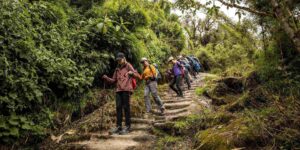
The Inca Trail in October offers one of the most rewarding trekking experiences in Peru, combining ancient history, breathtaking landscapes, and the perfect balance of weather conditions. This legendary 4-day trek follows the footsteps of the Incas through cloud forests, mountain passes, and centuries-old archaeological sites, ending at the majestic Machu Picchu. For travelers seeking a mix of adventure, culture, and nature, October stands out as a prime month to hike this world-famous route.
During October, the Andean highlands transition from the dry to the rainy season, creating ideal conditions for hikers. Days are pleasantly warm and bright, while occasional light showers refresh the trails and bring the surrounding mountains to life with vibrant greenery. Compared to the peak tourist months of June through August, October sees fewer crowds, offering a more peaceful and authentic experience along the Inca Trail to Machu Picchu.
Traveling with Tunqui Expeditions — a trusted, Cusco-based operator specializing in Inca Trail to Machu Picchu Tours — ensures your journey is guided safely and authentically. Their expert local guides, ethical porters, and sustainable approach turn each step of the Inca Trail into a meaningful connection with Peru’s culture, history, and natural heritage.

Why Trek the Inca Trail in October?
Hiking the Inca Trail to Machu Picchu is a perfect choice for travelers who want to experience the best of Peru’s natural and cultural beauty — without the heavy crowds of the high season.
October marks the transition between the dry and rainy seasons, offering a unique blend of pleasant weather, blooming landscapes, and peaceful trails.
It’s a month for those who crave adventure and tranquility in equal measure — where the journey feels more personal, the views more vibrant, and the connection to the ancient Inca world even deeper.
Here’s why October is one of the most rewarding months to hike the Inca Trail, especially when guided by Tunqui Expeditions.
Balanced Weather and Comfortable Conditions
October sits at the crossroads of seasons, providing mostly clear mornings and mild temperatures with occasional afternoon showers.
- Daytime temperatures: 18–23°C (64–73°F)
- Nighttime temperatures: 6–9°C (43–48°F)
The early part of the month still feels like the dry season, offering sunny days and firm trails, while later in the month, short rains bring life back to the valleys and forests.
With Tunqui Expeditions, your guides monitor weather conditions daily and adapt trekking schedules for optimal comfort and safety.
Lush, Green Scenery Returns
After months of dryness, the Andes begin to bloom with new life in October.
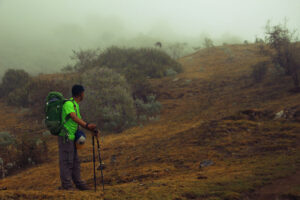
Grasses turn green, small wildflowers emerge, and the valleys regain their vibrancy. The mountains seem to breathe again, and misty clouds rolling over the peaks create a magical, almost mystical atmosphere.
It’s one of the most photogenic times of the year, with bright colors and dramatic light across the Andean landscape.
Fewer Crowds and a More Peaceful Trail
Unlike the peak season months (June–August), October offers fewer hikers on the Inca Trail.
You’ll find more space at campsites, shorter lines at checkpoints, and more time to take in the ancient ruins in silence.
For many, this serenity is what makes October truly special — it allows for a deeper connection with the trail, the environment, and yourself.
Tunqui Expeditions operates in small groups, ensuring a more personalized and mindful trekking experience.
Easier Permit Availability
Since October is part of the shoulder season, Inca Trail permits are typically easier to obtain than during the busy months of May through August.
This offers more flexibility for travelers who plan their trips later in the year.
Tip: Always book your permit through an authorized operator like Tunqui Expeditions, who handles all official arrangements — from permits and tickets to transportation and accommodations.
Authentic Local Culture
October is a lively month in Cusco and the Sacred Valley, with small community festivals celebrating the harvest and the arrival of spring.
Travelers often witness traditional Andean music, dance, and food fairs, offering a glimpse into authentic local life.
When you trek with Tunqui Expeditions, your guides share cultural insights and local stories, enriching your journey with true Andean spirit.
Breathtaking Photography Opportunities
The combination of partly clear skies and morning mist creates some of the most stunning photographic conditions of the year.
The interplay of light, clouds, and greenery makes the Andes look alive — especially during sunrise or sunset at Machu Picchu.
October’s softer light is perfect for capturing atmospheric shots of Inca ruins and mountain vistas.
Perfect for Post-Trek Exploration
Because weather remains stable, October is also a great time to explore Cusco, Rainbow Mountain, or Humantay Lake after your trek.
The roads are in good condition, and the crowds are manageable — making post-hike adventures more enjoyable.
Tunqui Expeditions can organize customized post-trek tours to extend your journey through Peru’s most beautiful destinations.
Summary: Why Choose October for the Inca Trail
| Reason | Description |
|---|---|
| Balanced Weather | Mild temperatures, light rains, and clear mornings |
| Green Landscapes | Valleys and forests start blooming again |
| Fewer Crowds | Quieter campsites and viewpoints |
| Easier Permits | More flexibility for booking |
| Cultural Experiences | Local harvest and spring festivals |
| Amazing Photography | Beautiful light, clouds, and colors |
| Post-Trek Adventures | Ideal time to explore other Cusco highlights |
Trekking the Inca Trail in October is an opportunity to see the Andes at their most alive — a season of balance between calm skies and fresh renewal.
The weather is kind, the landscapes are radiant, and the sense of tranquility is unmatched.
With Tunqui Expeditions, you’ll enjoy a safe, sustainable, and culturally rich journey — one that connects you deeply to the land, the people, and the ancient spirit of the Inca Trail.
Weather on the Inca Trail in October
The Inca Trail to Machu Picchu in October offers one of the most unique weather experiences of the year — a perfect balance between the last stretch of Peru’s dry season and the first hints of the rainy season.
October’s weather brings clear mornings, mild temperatures, and the occasional afternoon shower, creating lush green valleys and crisp mountain views. It’s a transitional month that combines the comfort of dry trails with the fresh vibrancy of spring, making it one of the most beautiful times to trek.
Mild and Comfortable Temperatures
October is one of the most pleasant months for hiking, with comfortable daytime warmth and cool but manageable nights.
- Daytime temperatures: 18–23°C (64–73°F)
- Nighttime temperatures: 6–9°C (43–48°F)
The temperature range is ideal for hiking — not too hot during the day, and not as cold as the peak dry-season months like June or July.
Tip: Layer your clothing to adjust easily as temperatures change throughout the day.
Mostly Dry Days With Light Afternoon Showers
While October marks the start of the transition to the wet season, the majority of days remain dry, especially in the first half of the month.
Afternoon showers, when they do occur, are typically light and short-lived — refreshing rather than inconvenient.
These brief rains help revive the Andean vegetation, painting the trail in fresh greens and bright wildflowers.
Pro Tip: Pack a light rain jacket or poncho and keep your gear in waterproof covers, especially if trekking later in the month.
Lush, Rejuvenated Landscapes
After several dry months, October’s gentle rains bring the Andes back to life.
Grassy valleys turn green, rivers flow more vividly, and the mist rolling through the mountains adds a mystical beauty to the scenery.
This makes October an excellent month for photography — expect contrasts of sunlit peaks, drifting clouds, and colorful flora.
The mix of moisture and sunlight creates stunning light effects, especially during sunrise and sunset at Machu Picchu.
Cool, Fresh Nights
Though the days are warm, nights can still be chilly at higher elevations, particularly at campsites like Pacaymayo (3,600 m / 11,800 ft) or Phuyupatamarca (3,670 m / 12,040 ft).
Temperatures may drop close to 0–5°C (32–41°F) in these areas.
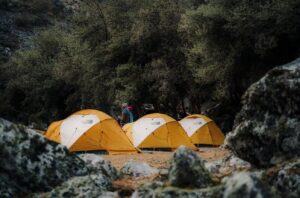
Tunqui Expeditions provides high-quality tents, insulated sleeping mats, and warm Andean meals to ensure comfort even at altitude.
Clear Mornings and Soft Light
One of the highlights of October’s weather is its crystal-clear mornings.
Trekkers often wake up to blue skies and unobstructed views of the Andes, perfect for hiking and exploring archaeological sites like Runkurakay, Wiñay Wayna, and Phuyupatamarca.
The sunlight this time of year is softer and warmer, enhancing the beauty of photographs and making Machu Picchu look especially radiant at sunrise.
October is considered one of the best months for photographers on the Inca Trail.
Increasing Humidity Toward Month’s End
As the month progresses, humidity slowly increases, particularly in the lower elevations near Machu Picchu (2,430 m / 7,972 ft) and the cloud forest zone.
You may feel the air getting warmer and denser — a clear sign of the upcoming rainy season.
Tip: Wear light, breathable fabrics and quick-drying clothes, and store electronics in dry bags for extra protection.
Excellent Trekking Conditions
Despite being a transitional month, October’s trail conditions remain excellent.
The paths are firm, visibility is great, and temperatures are comfortable. The combination of sunlight, clouds, and greenery creates a dramatic and dynamic environment — perfect for hikers who enjoy variety.
When you trek with Tunqui Expeditions, your guides monitor the weather closely each day and adapt the schedule when necessary, ensuring a smooth and safe experience from start to finish.
Quick Weather Overview for October
| Condition | Description |
|---|---|
| Weather Type | Mostly dry with light afternoon showers |
| Temperature (Day) | 18–23°C / 64–73°F |
| Temperature (Night) | 6–9°C / 43–48°F |
| Rainfall | Low to moderate (increases mid-to-late month) |
| Scenery | Lush and green, ideal for photography |
| Visibility | Clear mornings and bright sunsets |
The Inca Trail in October offers an exceptional balance — mild temperatures, rejuvenated landscapes, and just a touch of refreshing rain.
It’s the perfect time for travelers who want beauty, tranquility, and a bit of adventure in one unforgettable journey.
With Tunqui Expeditions, you’ll enjoy a safe, guided experience with professional support, sustainable practices, and deep cultural insight — ensuring your October trek is as comfortable as it is inspiring.
Pros of Hiking the Inca Trail in October
Trekking the Inca Trail to Machu Picchu in October offers a rare and beautiful balance — mild weather, green landscapes, and fewer crowds. As the dry season gradually transitions into the rainy season, the Andes come alive with new energy, fresh air, and vibrant colors.
Here are the top reasons why October is an excellent month to experience this iconic journey, according to the expert guides at Tunqui Expeditions.
Comfortable Temperatures for Hiking
October offers ideal trekking weather, with warm, sunny mornings and cool but pleasant evenings.
- Daytime: 18–23°C (64–73°F)
- Nighttime: 6–9°C (43–48°F)
This means you can hike comfortably without the intense sun or biting cold of other months.
It’s perfect for steady walking, photography breaks, and enjoying the scenery without feeling rushed.
Tunqui Expeditions provides well-paced itineraries that allow trekkers to enjoy every section of the trail at a comfortable rhythm.
The Andes Come Alive with Greenery
October marks the beginning of the Andean spring, when the mountains start to bloom again.
The valleys grow greener, wildflowers appear along the trails, and the landscape looks fresh and rejuvenated after months of dryness.
This is one of the most visually striking times to trek — the perfect mix of clear skies, moisture, and new life.
Photography tip: The contrast between the vivid greens of the valleys and the gray Inca stones makes for spectacular photos.
Fewer Crowds Than Peak Season
After the high tourist season of June through August, October feels much calmer on the Inca Trail and in Machu Picchu.
There are fewer hikers on the path, less congestion at viewpoints, and a more peaceful atmosphere at campsites.
This makes it an ideal month for travelers who value serenity, space, and a personal connection to the natural and historical surroundings.
Tunqui Expeditions operates small group tours, ensuring an intimate and customized trekking experience.
Easier to Get Inca Trail Permits
Because October falls outside of the busiest travel months, permits are usually easier to secure compared to May through August.
This gives travelers more flexibility in planning their trip, especially if they decide to book closer to their desired dates.
Tunqui Expeditions manages all official permits and Machu Picchu entry tickets, guaranteeing a smooth and stress-free process.
Excellent Visibility and Dramatic Light
October’s skies are often a mix of blue clarity and drifting white clouds, giving the mountains a dramatic, almost cinematic look.
The soft, golden light enhances the colors of the landscape, especially at sunrise and sunset.
From the Sun Gate (Inti Punku), the view of Machu Picchu in October is one of the most breathtaking of the year.
Cultural Authenticity and Local Festivals
October is a vibrant cultural month in Cusco and the Sacred Valley.
Communities celebrate the spring planting season with local music, dance, and traditional offerings to Pachamama (Mother Earth).
Traveling this time of year allows you to witness authentic Andean traditions and gain a deeper understanding of Peru’s cultural heritage.
Tunqui Expeditions’ local guides share stories and customs from their communities, turning your trek into a rich cultural experience.
Peaceful Machu Picchu Experience
Because the number of visitors drops after the peak season, Machu Picchu feels quieter and more spiritual in October.
You can explore the citadel more calmly, take uninterrupted photos, and soak in the mystical atmosphere without the heavy foot traffic.
This allows for a more personal and meaningful experience — the perfect ending to your Inca Trail journey.
Comfortable Camping Conditions
October nights are cool but not as cold as the winter months, making camping more enjoyable.
Tunqui Expeditions provides high-quality camping gear, including four-season tents, insulated sleeping mats, and warm Andean meals prepared by professional chefs.
There’s nothing like watching the Milky Way above the Andes after a day of trekking.
Summary: Advantages of Hiking the Inca Trail in October
| Advantage | Description |
|---|---|
| Comfortable Weather | Mild temperatures, dry mornings, cool nights |
| Green Scenery | Lush mountains and blooming valleys |
| Fewer Crowds | Quieter trails and campsites |
| Permit Availability | Easier to book your trek |
| Dramatic Light | Excellent conditions for photography |
| Cultural Festivals | Authentic Andean experiences |
| Peaceful Machu Picchu | Fewer tourists, serene atmosphere |
| Comfortable Camping | Cozy nights with Tunqui Expeditions gear |
The Inca Trail in October combines everything that makes Peru’s most famous trek so magical — perfect hiking weather, vibrant landscapes, fewer crowds, and a touch of Andean culture.
It’s the ideal month for travelers who want a balance between adventure, comfort, and authenticity.
With Tunqui Expeditions, you’ll experience all of this safely and sustainably, guided by passionate locals who know every stone, summit, and story along the trail.
Cons of Hiking the Inca Trail in October
While October is one of the most beautiful and underrated months to hike the Inca Trail to Machu Picchu, it does come with a few considerations.
As the dry season transitions into the rainy season, trekkers should be prepared for minor weather changes, cooler nights, and slightly higher humidity.
Here are the main drawbacks of hiking the Inca Trail in October — and how Tunqui Expeditions
ensures that each one is manageable so you can enjoy a safe and unforgettable adventure.
Occasional Rain Showers
October is the beginning of Peru’s rainy season, which means you may encounter light afternoon showers — especially in the latter half of the month.
While mornings are usually dry and clear, the weather can change quickly in the Andes.
Tip: Bring a light rain jacket, poncho, and waterproof backpack cover.
Tunqui Expeditions provides daily weather updates and adjusts hiking schedules as needed to keep trekkers comfortable and safe.
The silver lining? These short rains make the valleys greener and the skies more dramatic — a photographer’s dream.
Cooler Nights at High Altitude
Although daytime temperatures are pleasant, nights can be chilly, particularly at higher campsites such as Pacaymayo (3,600 m / 11,800 ft) and Phuyupatamarca (3,670 m / 12,040 ft).
Temperatures may drop to 0–5°C (32–41°F), making warm clothing essential.
Solution: Bring thermal base layers and a warm sleeping bag rated for -5°C (23°F).
Tunqui Expeditions provides insulated tents and sleeping mats, ensuring you stay warm and comfortable throughout the night.
Higher Humidity Levels
As the rainy season approaches, humidity begins to rise, especially near Machu Picchu and the lower jungle sections of the trail.
The air can feel heavier, and hikers may sweat more than during the cooler months.
Tip:
- Wear light, quick-drying clothing.
- Keep electronics in dry bags.
- Stay hydrated — Tunqui Expeditions provides safe boiled water daily at camp.
Unpredictable Weather Patterns
October’s weather can be slightly unpredictable. You might start the day with clear skies and sunshine, only for clouds or light rain to roll in by the afternoon.
However, these weather changes are typically mild and add a unique atmosphere to the landscape — misty mountains, rainbows, and dramatic skies.
Solution: Layer your clothing and stay flexible. Tunqui Expeditions’ professional guides adapt daily itineraries to make the most of changing conditions.
Slightly Higher Costs for Flights and Hotels
While October is technically the shoulder season, it still falls within Peru’s broader travel window.
This means flight and accommodation prices can remain slightly elevated compared to the rainy season months (November–March).
Tip: Book early through a reputable company like Tunqui Expeditions, which can help you secure better rates and organize all logistics seamlessly.
More Mosquito Activity in Lower Zones
With the return of humidity and vegetation growth, insects — especially mosquitoes — become more active in the lower-altitude sections near Wiñay Wayna and Machu Picchu.
Tip: Bring insect repellent and wear long sleeves when hiking through the cloud forest.
Tunqui Expeditions guides always carry natural repellent and advise trekkers on how to minimize insect exposure.
Slightly Reduced Permit Flexibility Later in the Month
While October generally has better permit availability than high season, some travelers underestimate its popularity as a “hidden gem” month.
As a result, permits can still sell out if not booked in advance — especially for early-October departures.
Tip: Always book your Inca Trail permit at least 3–4 months ahead through Tunqui Expeditions, an authorized operator that handles all official bookings and entry tickets.
Summary: Cons of Hiking the Inca Trail in October
| Challenge | Description | Tunqui Expeditions Solution |
|---|---|---|
| Light Rain | Afternoon showers possible | Flexible itineraries & rain gear advice |
| Cool Nights | Chilly at high camps | Insulated tents & quality sleeping mats |
| Humidity | Warm, moist air near Machu Picchu | Hydration support & breathable gear |
| Variable Weather | Quick shifts in sun and cloud | Expert local weather monitoring |
| Slightly Higher Prices | Still within tourism season | Early booking & package deals |
| Mosquitoes | Common near lower forest | Insect repellent & protective clothing |
| Permit Rush | October dates fill fast | Guaranteed permits via Tunqui Expeditions |
Final Thoughts
Yes — October has a few small challenges, but they’re far outweighed by the beauty and balance of the season.
Mild rain, cool nights, and shifting skies only add to the magic of the Andes, creating moments of mist, light, and color that make this trek truly unforgettable.
With Tunqui Expeditions, every detail is managed with care — from weather preparedness and safety to equipment and logistics. Their experienced local guides ensure that even these “cons” become part of a richer, more authentic adventure on the Inca Trail.
Recommendations for Hiking the Inca Trail in October
Hiking the Inca Trail to Machu Picchu in October is an unforgettable experience — a journey filled with vibrant landscapes, cultural richness, and mild weather.
However, October is also a transitional month, meaning a little preparation can make your adventure smoother and more enjoyable.
Here are the top recommendations from the expert guides at Tunqui Expeditions
to help you get the most out of your trek.
Book Your Inca Trail Permit in Advance
Even though October is outside the peak season, the Inca Trail operates on a strict permit system that limits daily entries to 500 people (including guides and porters).
Permits can still sell out several months ahead — especially for early-October departures when the weather is at its best.
Recommendation:
Book your trek at least 3–4 months in advance with a licensed operator like Tunqui Expeditions, who will handle all permits, Machu Picchu entry tickets, and transportation.
If permits are unavailable, Tunqui Expeditions also offers incredible alternative treks — such as Salkantay, Lares, and Choquequirao — that don’t require permits and offer equally stunning routes to Machu Picchu.
Acclimatize in Cusco Before Starting the Trek
Cusco sits at 3,400 m (11,150 ft), while the Inca Trail reaches 4,215 m (13,828 ft) at its highest point.
Altitude can affect anyone, even experienced hikers. Spending a few days acclimatizing in Cusco or the Sacred Valley helps prevent altitude sickness and ensures a more enjoyable trek.
Tips for Acclimatization:
- Arrive 2–3 days early before your hike.
- Drink plenty of water and coca tea.
- Avoid alcohol and heavy meals.
- Take short hikes around Cusco or visit nearby ruins.
Tunqui Expeditions offers acclimatization tours and provides health and safety briefings before every trek.
Pack for All Seasons
October weather can be unpredictable — mostly dry, but occasional afternoon rain showers are possible.
Pack for a range of conditions so you stay comfortable whether it’s sunny, cool, or misty.
Essential items for October Hikers:
- Lightweight, moisture-wicking hiking clothes
- Fleece or down jacket for cold nights
- Waterproof rain jacket or poncho
- Hat, sunglasses, and sunscreen (SPF 50+)
- Hiking boots (well broken-in)
- Refillable water bottle or hydration pack
- Quick-dry socks and underwear
- Insect repellent (especially for lower sections near Machu Picchu)
Tunqui Expeditions provides sleeping mats, tents, and duffel bags carried by porters — so you only need to hike with your daypack.
Stay Hydrated and Protect Yourself From the Sun
October can still bring strong Andean sun during the day, even when it’s cloudy. Dehydration and sunburn are common for hikers who underestimate the altitude and UV intensity.
Pro Tips:
- Drink 2–3 liters of water daily.
- Refill your bottle at camp (Tunqui Expeditions provides safe boiled water).
- Apply sunscreen and UV lip balm frequently.
- Wear a wide-brimmed hat and polarized sunglasses.
Even in October, UV rays at 3,000+ meters are strong — stay sun-safe!
Train Before You Arrive
The Inca Trail is a moderate-to-challenging trek, with steep climbs and long stair sections.
Prepare at least 4–6 weeks before your trip with:
- Hiking or stair workouts
- Strength training (legs and core)
- Cardiovascular exercises (jogging, cycling, or swimming)
You don’t need to be an athlete, but good fitness will help you enjoy each day of hiking and reduce fatigue.
Tunqui Expeditions designs the trek at a steady pace, allowing for rest stops, scenic photos, and acclimatization breaks.
Expect Cool Nights and Prepare Accordingly
Although days are warm, the nights — especially at higher camps — can be cool to cold.
Pack thermal layers, warm socks, and a hat for sleeping.
Tunqui Expeditions provides insulated tents, warm sleeping mats, and hearty Andean meals, ensuring you stay comfortable at every altitude.
Be Ready for Some Rain
The rainy season begins to approach in late October, so light showers may occur — often in the afternoons or evenings.
Recommendation:
- Keep your gear inside waterproof bags or covers.
- Pack quick-drying clothing.
- Embrace the mist — it often adds a mystical touch to the mountain views.
Your Tunqui Expeditions guides will monitor conditions daily and adjust the route or pace as needed.
Respect Nature and Local Culture
The Inca Trail is part of Peru’s UNESCO World Heritage and holds deep spiritual significance for Andean communities.
Practice Leave No Trace ethics:
- Carry out all your trash.
- Avoid single-use plastics.
- Stay on marked paths.
- Respect local customs and porters.
Tunqui Expeditions promotes sustainable tourism and ensures fair working conditions for all porters and staff.
Embrace Local Life and Seasonal Festivities
October is a vibrant cultural month in Cusco and the Sacred Valley.
You might encounter traditional harvest celebrations, Andean music, and artisan markets along the way.
Traveling with Tunqui Expeditions allows you to experience these authentic cultural moments with local insight and respect.
Bring a Good Camera or Smartphone
October’s lighting is extraordinary — with misty mornings, soft sunlight, and vibrant colors.
Bring a camera or smartphone, extra batteries, and a power bank (charging options on the trail are limited).
The sunrise over Machu Picchu from the Sun Gate (Inti Punku) in October is pure magic — don’t miss it.
Quick Checklist: Recommendations for October Trekkers
| Category | Key Advice |
|---|---|
| Permits | Book 3–4 months ahead with Tunqui Expeditions |
| Acclimatization | Spend 2–3 days in Cusco before hiking |
| Packing | Prepare for mixed weather & cool nights |
| Hydration | Drink water and use sun protection |
| Training | Build endurance before arrival |
| Camping Gear | Bring thermals; Tunqui provides quality tents |
| Rain Preparedness | Keep gear waterproof & quick-drying |
| Cultural Respect | Support local communities & sustainability |
| Photography | Capture October’s golden light & mist |
Hiking the Inca Trail in October rewards those who come prepared.
You’ll enjoy mild weather, lush scenery, fewer crowds, and a deeper connection to the Andes — as long as you plan ahead, acclimatize, and pack smart.
Is It Safe to Visit Machu Picchu in October?
Yes — it’s absolutely safe to visit Machu Picchu in October.
In fact, it’s one of the most balanced and rewarding months of the year for exploring Peru’s most iconic destination.
The weather is generally mild, the crowds are fewer, and local tourism services operate at full capacity — making October an ideal time for a smooth and peaceful journey.
Here’s why October is considered one of the safest and most enjoyable months to hike the Inca Trail and visit Machu Picchu, according to the experienced team at Tunqui Expeditions.
Stable and Comfortable Weather
October offers predictable and gentle weather patterns, especially during the first half of the month.
Days are warm and sunny, with occasional afternoon showers that rarely disrupt travel plans.
- Average daytime temperature: 18–23°C (64–73°F)
- Average nighttime temperature: 6–9°C (43–48°F)
Rainfall increases slightly later in the month but remains light and short-lived — far from the heavy rains seen in January or February.
With Tunqui Expeditions, your guides monitor daily forecasts and adapt schedules to ensure your comfort and safety on the trail and at Machu Picchu.
Reliable Transportation and Accessibility
October is a great month for travel logistics.
Roads, railways, and airports are fully operational, and the chance of weather-related delays is minimal.
- The train from Cusco or Ollantaytambo to Aguas Calientes runs smoothly.
- Roads leading to the Sacred Valley and Cusco remain dry and well-maintained.
- The Inca Trail and other trekking routes like Salkantay or Lares are open and in excellent condition.
Tunqui Expeditions organizes all logistics — including transfers, train tickets, and Machu Picchu entry — so you can travel confidently and stress-free.
Professional Tourism Infrastructure
Machu Picchu is one of the most professionally managed tourist attractions in South America, with strict regulations and safety protocols.
Visitors enter in scheduled time slots, guided by certified professionals who ensure that everyone follows preservation and safety rules.
Tunqui Expeditions is a licensed, Cusco-based operator that adheres to all government standards and provides:
- Certified local guides
- Emergency oxygen and first aid kits
- 24/7 coordination and communication support
You’re always in expert hands from start to finish.
Altitude Awareness and Health Safety
While Machu Picchu itself sits at a moderate altitude of 2,430 m (7,972 ft), the surrounding areas — including Cusco (3,400 m / 11,150 ft) and the Inca Trail’s highest point (Dead Woman’s Pass, 4,215 m / 13,828 ft) — require acclimatization.
Tunqui Expeditions recommends:
- Spending 2–3 days in Cusco before your trek.
- Drinking plenty of water and coca tea.
- Walking at a comfortable pace and avoiding alcohol before your trek.
- Their guides are trained to monitor for signs of altitude sickness and assist travelers at all times.
Very Low Crime Rate in Tourist Areas
Cusco, the Sacred Valley, Aguas Calientes, and Machu Picchu are extremely safe for visitors.
Tourism is vital to the local economy, and both police and tourism authorities maintain a strong presence in all major areas.
Safety Tips:
- Use official transportation (like those arranged by your tour).
- Keep valuables secure and close.
- Always follow your guide’s instructions, especially on the trail.
When traveling with Tunqui Expeditions, all transport and accommodation partners are vetted for quality and safety.
Mild Transition Into Rainy Season
Although October marks the start of the wet season, rainfall is typically light and refreshing, not heavy or disruptive.
Showers often occur in the late afternoon or evening, leaving mornings and mid-days bright and clear.
A rain jacket or poncho is usually enough to stay comfortable.
These brief rains add to the lushness of the landscape — and often result in stunning rainbows above the mountains.
Peaceful and Rewarding Experience
Because October is less crowded than the peak months of June through August, Machu Picchu feels more serene and spiritual.
You’ll have more time and space to explore, take photos, and truly absorb the mystical energy of the site.
The softer light and morning mist in October make for some of the most atmospheric Machu Picchu photos of the year.
Safety Summary: Visiting Machu Picchu in October
| Factor | Safety Level | Details |
|---|---|---|
| Weather | Very good | Warm, clear mornings; mild showers |
| Transportation | Excellent | Trains and roads fully operational |
| Trail Conditions | Stable | Dry and safe early in the month |
| Health Risks | Low | Manageable with acclimatization |
| Security | Very safe | Low crime in tourist areas |
| Rain Impact | Minimal | Short, refreshing afternoon showers |
Yes — it’s 100% safe to visit Machu Picchu in October.
You’ll experience ideal hiking conditions, fully functional transportation, and smaller crowds — all set against the backdrop of a lush, awakening Andean landscape.
When you travel with Tunqui Expeditions, you gain not only safety and organization but also authenticity. Their local guides, sustainable practices, and deep respect for Andean culture ensure that your journey to Machu Picchu is safe, enriching, and unforgettable.
Best Time of Year to Trek the Inca Trail
Trekking the Inca Trail to Machu Picchu is one of the world’s most unforgettable adventures — and choosing the right time of year to go can make all the difference between a good trip and a truly spectacular one.
Because the Inca Trail passes through several different microclimates in the Andes Mountains of Peru, weather conditions and visitor experiences vary significantly throughout the year.
Here’s everything you need to know to decide the best time to hike the Inca Trail, with expert insights from the local specialists at Tunqui Expeditions.
Dry Season (May to September): The Best Time to Trek
Most trekkers agree that the dry season — from May through September — is the best time of year to hike the Inca Trail.
During these months, the weather is clear, the trails are dry, and the visibility of the Andes is at its most breathtaking.
Why It’s Ideal:
- Minimal rainfall makes for safe, stable trekking conditions.
- Bright sunshine and clear blue skies perfect for photography.
- Comfortable temperatures during the day (18–22°C / 64–72°F).
- Stunning sunrise at Machu Picchu, especially in June and July.
Peak months: June, July, and August are the most popular — and for good reason. July, in particular, offers the most consistent weather and the best visibility.
However, because these months are high season, trail permits sell out fast. You’ll need to book 4–6 months in advance with a licensed operator like Tunqui Expeditions to secure your spot.
Rainy Season (November to March): The Quiet Alternative
If you prefer solitude and don’t mind a little rain, the wet season (November–March) can offer a more peaceful experience — but with more challenges.
Considerations:
- Frequent rain showers make trails muddy and slippery.
- Limited visibility due to fog and clouds.
- Inca Trail closes every February for maintenance and conservation.
Still, this period brings lush green landscapes, fewer crowds, and lower prices. For travelers seeking a less crowded but equally scenic trek, alternative routes like the Salkantay Trek or Lares Trek are excellent options — both available year-round with Tunqui Expeditions.
Shoulder Seasons (April & October): The Sweet Spot
For many experienced trekkers, April and October represent the perfect balance between good weather and fewer crowds.
Advantages:
- Mild temperatures and some greenery from recent rains.
- Smaller groups on the trail, creating a calmer atmosphere.
- Greater permit availability compared to the peak season.
These months are great for travelers looking for photogenic landscapes without the intensity of high-season crowds.
Quick Comparison Chart
| Month | Weather | Trail Conditions | Crowds | Best For |
|---|---|---|---|---|
| April | Mild & clear | Drying after rains | Moderate | Balance of weather & crowds |
| May | Sunny & dry | Excellent | High | Start of dry season |
| June | Clear & cool | Excellent | Very high | Festivals & best views |
| July | Sunny & crisp | Perfect | Very high | Ideal weather, vibrant energy |
| August | Cool & dry | Excellent | High | Peak trekking conditions |
| September | Warming up | Stable | Moderate | Fewer crowds |
| October | Mild & green | Slight rain | Moderate | Great balance |
| Nov–Mar | Rainy & humid | Muddy | Low | Off-season adventurers only |
Expert Tip: Choose Based on Priorities
Your “best” time to hike the Inca Trail depends on what kind of experience you want:
| Priority | Best Time to Go |
|---|---|
| Perfect weather & photography | June–July |
| Fewer crowds & good weather | April or October |
| Budget-friendly travel | November–March |
| Cultural festivals (Inti Raymi & Fiestas Patrias) | June–July |
The best time of year to trek the Inca Trail is during the dry season, particularly May to September, when conditions are safest and the views are at their most stunning.
However, every season offers its own beauty — whether it’s the vibrant greenery of the rainy months or the peaceful atmosphere of the shoulder seasons.
By booking early and traveling with a trusted local operator like Tunqui Expeditions, you’ll ensure your journey is not only unforgettable but also safe, responsible, and culturally enriching.
Alternative Treks to the Inca Trail in October
July is the peak month for trekking in Peru, and since Inca Trail permits often sell out months in advance, many travelers choose alternative treks that are just as breathtaking — and often less crowded.
Here are the top Inca Trail alternatives in october, recommended by Tunqui Expeditions, one of Cusco’s most trusted local operators:
Salkantay Trek to Machu Picchu
- Duration: 4–5 days
- Highlights: Snow-capped Salkantay Mountain (6,271 m), tropical cloud forests, and turquoise Humantay Lake.
- Why July? Perfect dry-season conditions with crystal-clear views and minimal rainfall.
- Bonus: No permit required — book anytime with Tunqui Expeditions.
- Duration: 3–4 days
- Highlights: Remote Andean villages, natural hot springs, and authentic Quechua culture.
- Why July? Excellent weather for cultural immersion and photography.
- Ideal for: Travelers seeking a less touristy, community-based trekking experience.
- Duration: 5–7 days
- Highlights: The “sister city of Machu Picchu”, dramatic canyon landscapes, and fewer visitors.
- Why July? Dry trails and stunning mountain visibility make it one of the most rewarding long-distance hikes.
- Duration: 3–4 days
- Highlights: Combines hiking, biking, ziplining, and rafting for an adventure-packed route to Machu Picchu.
- Why July? Clear weather ensures safe, thrilling outdoor conditions.
Why Choose Tunqui Expeditions
All Alternative treks with Tunqui Expeditions include professional local guides, high-quality camping gear, cultural experiences, and ethical porter support. Whether you choose the Inca Trail or an alternative route, July offers the perfect blend of adventure and ideal weather in the Peruvian Andes.
Things to Know Before Hiking the Inca Trail in October
The Inca Trail to Machu Picchu in October offers a magical combination of mild weather, lush scenery, and peaceful trails. But as a transitional month between Peru’s dry and rainy seasons, October also brings unique conditions that hikers should be ready for.
To ensure your experience is as smooth, safe, and memorable as possible, here are the most important things to know before hiking the Inca Trail in October, according to the expert team at Tunqui Expeditions.
Permits Are Still Required — Book Early
Even though October isn’t part of the peak tourist season, the Inca Trail operates under strict permit regulations, limiting access to 500 people per day (including guides and porters).
Permits for October can sell out months in advance, especially for the first half of the month when conditions are ideal.
Tip: Book your trek at least 3–4 months ahead through a licensed tour operator like Tunqui Expeditions, who handles all official permits, Machu Picchu entry tickets, and logistics on your behalf.
If permits are sold out, Tunqui Expeditions also offers alternative treks — such as Salkantay, Lares, or Choquequirao — all of which lead to Machu Picchu through equally stunning routes.
Acclimatization Is Essential
Cusco sits at 3,400 m (11,150 ft), while the Inca Trail’s highest point, Dead Woman’s Pass, reaches 4,215 m (13,828 ft).
Altitude affects every traveler differently, so spending a few days acclimatizing before your trek is crucial.
Tips for Acclimatization:
- Arrive in Cusco 2–3 days early.
- Drink plenty of water and coca tea.
- Avoid alcohol and heavy meals during the first two days.
- Take light walks or city tours to help your body adjust.
Tunqui Expeditions provides acclimatization recommendations, pre-trek briefings, and guides trained in altitude management and first aid.
Expect Mixed Weather Conditions
October is a transitional month, meaning you’ll experience both sunny mornings and occasional afternoon showers.
While the rain is usually light and refreshing, being prepared for all types of weather ensures a comfortable trek.
Weather overview:
- Daytime: 18–23°C (64–73°F)
- Nighttime: 6–9°C (43–48°F)
- Rain: Low to moderate, increasing toward the end of the month
Tip: Pack a light rain jacket, quick-dry clothing, and waterproof backpack cover.
Pack Smart and Light
Packing efficiently is key for comfort and safety. Tunqui Expeditions provides duffel bags carried by porters, so you only need to hike with a small daypack.
Essential items for October trekkers:
- Breathable, moisture-wicking clothing
- Warm layers for the evenings
- Rain jacket or poncho
- Hat, gloves, and sunglasses
- Sunscreen (SPF 50+) and lip balm
- Refillable water bottle or hydration bladder
- Insect repellent (especially for lower altitudes)
- Personal medication and basic first aid items
Porters from Tunqui Expeditions carry your camping gear, leaving you free to enjoy the hike comfortably.
Hydration and Sun Protection Are Crucial
Even though October isn’t as hot as mid-year, the Andean sun remains intense, especially at higher altitudes.
Recommendations:
- Drink 2–3 liters of water per day.
- Use electrolyte tablets or hydration salts.
- Apply sunscreen and UV lip balm regularly.
- Wear a hat and light, long-sleeve shirts for sun protection.
Tunqui Expeditions provides boiled, filtered water daily and encourages trekkers to refill their bottles at every stop.
Train Before You Arrive
The Inca Trail is a moderate to challenging hike, with long stairways, steep ascents, and high-altitude sections.
Start preparing 4–6 weeks before your trip to build endurance and stamina.
Training tips:
- Do cardio workouts like hiking, jogging, or cycling.
- Practice climbing stairs or hills.
- Strengthen your legs and core.
- Break in your hiking boots before the trip.
You don’t need to be an athlete — just fit enough to walk several hours a day comfortably.
Nights Can Be Cool — Bring Warm Gear
While October days are mild, the nights — especially at high campsites — can be cold.
Temperatures can drop close to 0°C (32°F) at altitude.
What to bring:
- Thermal base layers
- Warm socks and hat
- Sleeping bag rated for -5°C (23°F)
Tunqui Expeditions provides insulated tents, thick sleeping mats, and hearty meals, ensuring warmth and comfort at every camp.
Respect Nature and Local Culture
The Inca Trail is both a UNESCO World Heritage Site and a sacred Andean pilgrimage route. Respect the environment and the local porters who make your trek possible.
Responsible trekking tips:
- Carry out all trash — leave no trace.
- Avoid single-use plastics.
- Use biodegradable soap and toiletries.
- Be respectful of local traditions and people.
Tunqui Expeditions practices sustainable tourism, providing fair wages for porters and eco-friendly operations along the route.
Embrace the Cultural Energy of October
October is a lively month in Cusco and the Sacred Valley. It marks the Andean spring and the harvest season, when communities celebrate Pachamama (Mother Earth) through festivals and offerings.
Tunqui Expeditions’ local guides share insights into these traditions, offering trekkers a deeper cultural understanding of the Andes.
Prepare for Stunning Photography Opportunities
October’s soft light, misty mornings, and blooming scenery create some of the most photogenic landscapes of the year.
Bring a camera or smartphone, extra batteries, and a power bank — there are limited charging points on the trail.
The sunrise over Machu Picchu from Inti Punku (the Sun Gate) in October is one of the most breathtaking sights on Earth.
Quick Overview: Key Things to Know Before October Treks
| Category | Key Tip |
|---|---|
| Permits | Book 3–4 months early with Tunqui Expeditions |
| Acclimatization | Spend 2–3 days in Cusco before the trek |
| Weather | Mild days, cool nights, light rain possible |
| Packing | Layered, waterproof, and lightweight clothing |
| Hydration | Stay hydrated and sun-protected |
| Training | Prepare physically 4–6 weeks before |
| Camping Gear | Warm sleeping bag, thermal layers |
| Cultural Respect | Support sustainable, ethical trekking |
| Photography | Bring extra batteries for misty sunrise shots |
Hiking the Inca Trail in October is one of the most enriching experiences you can have in Peru — but preparation is key.
From booking permits early to acclimatizing properly and packing for mixed weather, these simple steps will help ensure a smooth, safe, and spectacular trek.
With Tunqui Expeditions, every detail — from logistics and equipment to safety and cultural immersion — is handled by passionate local experts who make your journey unforgettable.
The Inca Trail Month by Month — What to Expect All Year Round
The Inca Trail to Machu Picchu is a bucket-list trek that offers something special every month of the year. From the dry, sunny days of June to the lush green valleys of December, each season reveals a different side of the Andes.
Here’s a month-by-month guide to help you choose the best time to hike — and plan your adventure with the trusted local experts at Tunqui Expeditions.
- January – Green and Rainy Adventures: Learn more about the Inca Trail in January
- February – Trail Maintenance Month: See alternative treks for February
- March – The Season Reawakens: Discover the Inca Trail in March
- April – Perfect Balance of Sun and Greenery: Read about the Inca Trail in April
- May – The Start of the Dry Season: Explore the Inca Trail in May
- June – Peak Season and Festivities: Hike the Inca Trail in June
- July – Prime Trekking Conditions: Experience the Inca Trail in July
- August – Ideal for Adventure Seekers: See why August is great for the Trek Inca Trail in August
- September – The Shoulder Season Sweet Spot: Learn about the Inca Trail in September
- October – Mild Weather and Fewer Crowds: Discover the Inca Trail in October
- November – Quiet, Lush, and Rewarding: Read about the Inca Trail in November
- December – Lush, Peaceful, and Magical: Explore the Inca Trail in December
No matter when you go, the Inca Trail offers a once-in-a-lifetime adventure. Each month brings its own character — from the crystal-clear skies of June to the emerald valleys of December.
With Tunqui Expeditions, you’ll experience the trail safely and authentically, guided by local experts who know every mountain, ruin, and secret of this sacred route
Frequently Asked Questions About the Inca Trail in October
If you’re planning to hike the Inca Trail to Machu Picchu in October, you’re in for one of the most rewarding experiences in Peru.
However, because October is a transitional month — between the dry and rainy seasons — many travelers have questions about what to expect.
Here are the most common FAQs about hiking the Inca Trail in October, answered by the local experts at Tunqui Expeditions.
What is the weather like on the Inca Trail in October?
October offers mild, comfortable temperatures and mostly dry days, with occasional short rain showers.
- Daytime: 18–23°C (64–73°F)
- Nighttime: 6–9°C (43–48°F)
The first half of the month tends to be sunny and dry, while light rains are more common later on. These showers often make the valleys greener and the air fresher — perfect for scenic hiking and photography.
Tunqui Expeditions’ guides monitor daily weather conditions to ensure safe and comfortable trekking.
Do I need a permit to hike the Inca Trail in October?
Yes. The Inca Trail requires an official government permit to hike, and only 500 are available per day (including porters and guides).
Even though October is not peak season, permits can still sell out months in advance.
Tip: Book your trek at least 3–4 months ahead through Tunqui Expeditions, an authorized tour operator that manages all permits, Machu Picchu tickets, and logistics.
Is October a good time to hike the Inca Trail?
Absolutely. October is one of the best months to hike the Inca Trail if you want a balance between pleasant weather and fewer crowds.
The landscapes are vibrant, the temperatures are mild, and the atmosphere is peaceful compared to the busy mid-year months (June–August).
It’s also a great time for photography, as the skies have a dramatic mix of sun, clouds, and mist.
Is the Inca Trail open in October?
Yes — the Inca Trail is fully open in October.
The only month the trail closes is February, for maintenance and conservation.
All campsites and checkpoints are operational, and Tunqui Expeditions ensures that every part of your trek runs smoothly.
Do I need to acclimatize before hiking?
Yes. Cusco sits at 3,400 m (11,150 ft), and the highest point on the trail, Dead Woman’s Pass, reaches 4,215 m (13,828 ft).
Spending 2–3 days in Cusco before starting your trek helps your body adjust to the altitude.
Tips:
- Drink coca tea or chew coca leaves.
- Avoid alcohol before your hike.
- Take short walks or tours around Cusco to help acclimatize.
Tunqui Expeditions offers pre-trek orientation and acclimatization tours for travelers.
What should I pack for the Inca Trail in October?
Pack for varied weather — mostly dry conditions with occasional rain and cool nights.
Essentials include:
- Moisture-wicking hiking clothes
- Fleece or thermal layer
- Waterproof jacket or poncho
- Hat, gloves, and sunscreen
- Insect repellent
- Refillable water bottle or hydration pack
- Comfortable, broken-in hiking boots
Tunqui Expeditions provides sleeping mats, tents, and duffel bags carried by porters — you only hike with your daypack.
Are there fewer tourists in October?
Yes. October is part of Peru’s shoulder season, meaning there are fewer visitors compared to June, July, and August.
You’ll enjoy quieter campsites, shorter lines at checkpoints, and a more peaceful experience at Machu Picchu.
If you prefer a tranquil atmosphere and smaller trekking groups, October is perfect.
What is Machu Picchu like in October?
Machu Picchu in October is stunning — the surrounding mountains are green, the air is fresh, and the site is less crowded.
You might experience a light mist in the early morning, which adds a mystical touch to your visit.
Sunrise at Machu Picchu in October is one of the most breathtaking sights of the year.
What about altitude sickness?
Altitude sickness can affect anyone, regardless of fitness level.
To minimize risk:
- Acclimatize in Cusco before the trek.
- Stay hydrated and eat light meals.
- Ascend slowly and rest when needed.
Tunqui Expeditions guides are trained to recognize and manage altitude symptoms and carry first aid kits and oxygen at all times.
Does it rain a lot in October?
No — rain in October is generally light and occasional, especially compared to the heavier rains of December through March.
Expect some short afternoon showers, but mornings are usually clear and ideal for hiking.
A compact rain jacket or poncho will keep you dry and comfortable.
Are there mosquitoes on the trail?
Yes, but mainly in the lower-altitude areas near Machu Picchu.
They’re not dangerous, but bites can be annoying.
Tip:
- Use strong insect repellent.
- Wear long sleeves and pants in the evenings.
Tunqui Expeditions recommends biodegradable repellents to protect both trekkers and the environment.
What happens if Inca Trail permits are sold out?
If Inca Trail permits are unavailable, there are several excellent alternative treks that don’t require permits:
- Salkantay Trek – High-altitude adventure with glaciers and lakes.
- Lares Trek – Cultural immersion with visits to traditional Andean villages.
- Choquequirao Trek – Remote ruins and fewer tourists.
Tunqui Expeditions organizes all these treks, ensuring the same level of safety, service, and authenticity.
Quick FAQ Summary
| Topic | Answer |
|---|---|
| Weather | Mild, mostly dry with light showers |
| Permits | Required — book 3–4 months early |
| Acclimatization | 2–3 days in Cusco recommended |
| Packing | Layered, waterproof, and lightweight |
| Crowds | Fewer tourists than peak season |
| Health | Manage altitude with proper prep |
| Mosquitoes | Minimal, mostly near Machu Picchu |
| Alternative Treks | Salkantay, Lares, or Choquequirao |
Conclusion: Should You Hike the Inca Trail in October?
If you’re wondering whether October is a good time to hike the Inca Trail to Machu Picchu, the answer is a clear yes — it’s one of the most balanced and rewarding months of the entire year.
October offers mild weather, lush Andean scenery, and fewer crowds, making it perfect for those who want to experience the trail’s magic in a more peaceful and authentic way.
The early rains bring life back to the mountains, the valleys glow with new greenery, and the atmosphere along the trail feels refreshingly alive after the dry season.
Unlike the peak months of June through August, October’s tranquility allows for deeper reflection and connection — both with nature and the ancient Inca culture that built this sacred route centuries ago.