 Español
  English

The Inca Trail to Machu Picchu is one of the world’s most iconic treks — a legendary path that weaves through ancient Inca ruins, mist-covered valleys, and breathtaking Andean peaks before revealing one of humanity’s greatest wonders.
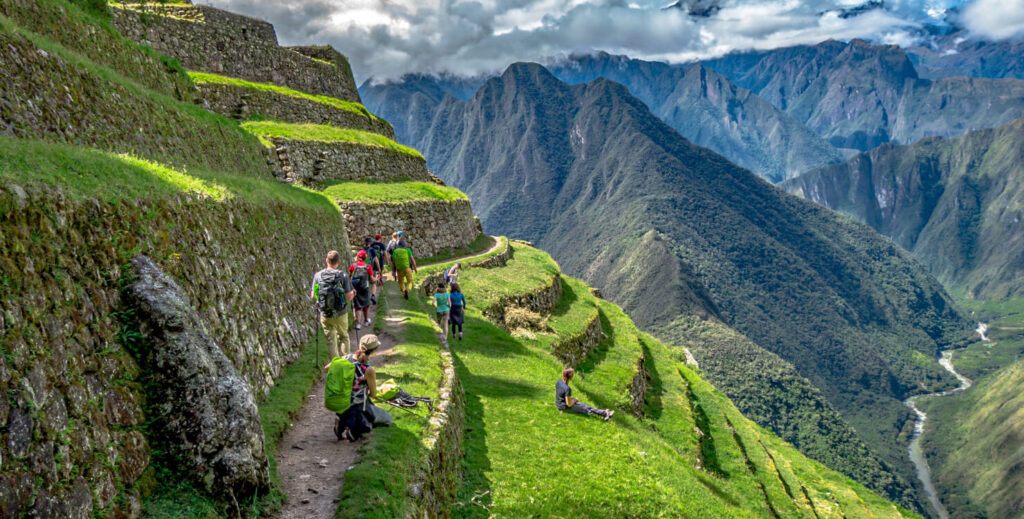
When November arrives, the Andes undergo a gentle transformation. The first true rains of the wet season begin to fall, bringing freshness and life to the mountains after months of dry weather. The valleys bloom in vivid green, the rivers flow stronger, and the entire landscape feels reborn.
For many travelers, November is a hidden gem month for hiking the Inca Trail. While it marks the start of the rainy season, showers are typically brief and predictable — falling mostly in the late afternoons or evenings. This means you can still enjoy clear, pleasant mornings for trekking, with the added reward of fewer tourists and a more peaceful trail experience.
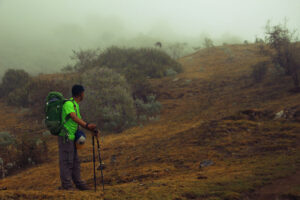
Those who hike the Inca Trail in November often describe it as more intimate and immersive — a chance to see the Andes in their natural rhythm, without the crowds that fill the trail in June through August. The mist that rolls over the mountains adds a sense of mystery, making every view feel alive and spiritual.
Traveling with Tunqui Expeditions with Tours Inca Trail Best Seller ensures your journey is safe, authentic, and sustainable. Their professional local guides, ethical porters, and deep respect for Andean culture allow you to experience the Inca Trail not just as a trek — but as a spiritual connection to the heart of the Inca Empire.
Why Trek the Inca Trail in November?
Hiking the Inca Trail to Machu Picchu in November is a truly special experience — a chance to witness the Andes come alive after months of dry weather. As the first rains of the season begin to fall, the valleys turn lush and green, wildflowers bloom, and the mountain air feels fresh and revitalizing.
November sits right at the beginning of Peru’s rainy season, which means you’ll still enjoy many clear, sunny mornings and refreshing afternoon showers that add a mystical atmosphere to the trail.
It’s the perfect time for those who want to enjoy a more peaceful, authentic, and naturally vibrant trekking experience.
Here’s why November is one of the most rewarding months to hike the Inca Trail — and why travelers continue to trust Tunqui Expeditions to guide them through it.
A Greener, Fresher Andes
After the long dry season, November brings the first rains that breathe new life into the Andes.
The valleys become lush, waterfalls grow stronger, and the surrounding forests sparkle with shades of green.
This transformation makes for stunning scenery — with clear views in the mornings and dramatic mist rolling over the mountains in the afternoons.
Perfect for photographers and nature lovers seeking color and contrast in every shot.
Fewer Crowds, More Tranquility
November marks the start of the shoulder season, which means fewer tourists on the Inca Trail and at Machu Picchu.
You’ll have quieter campsites, more space at viewpoints, and a deeper connection with the landscapes and ancient ruins.
For many travelers, this solitude is what makes November so special — it’s the Inca Trail as it was meant to be: peaceful, sacred, and personal.
Tunqui Expeditions keeps group sizes small, ensuring an intimate and sustainable trekking experience.
Balanced Weather — Mild and Manageable
While November does bring occasional rain, the temperatures are mild and pleasant.
- Daytime: 17–22°C (63–72°F)
- Nighttime: 6–9°C (43–48°F)
Most days start sunny and bright — perfect for hiking — and showers usually appear in the late afternoon, often lasting less than an hour.
Tunqui Expeditions’ professional guides adapt daily plans to the weather, ensuring every trek runs smoothly and safely.
Authentic Cultural Experience
November is a month of gratitude and renewal in the Andes. Local communities celebrate small agricultural festivals in honor of Pachamama (Mother Earth) and the start of the planting season.
Traveling this month gives you the opportunity to witness authentic Andean traditions, far from the heavy tourist crowds of peak season.
With Tunqui Expeditions, your guides share local stories, customs, and legends that enrich your journey beyond the physical trek.
More Permit Availability
Since November isn’t a peak month, Inca Trail permits are easier to secure. This flexibility is perfect for travelers who prefer to plan their trip a bit later in the year.
Tip: Book your Inca Trail Tours
early to guarantee availability — and if permits are sold out, consider alternative routes.
Tunqui Expeditions also offers stunning Alternative Treks to Machu Picchu
like the Salkantay Trek, Lares Trek, and Choquequirao Trek, all of which showcase Peru’s breathtaking diversity.
Excellent Photography Conditions
November’s mix of sunshine and clouds creates dynamic lighting that enhances the beauty of the trail.
The misty mornings and dramatic skies make for unforgettable images — especially when the sunlight breaks through the clouds above Machu Picchu.
For photographers, November offers a rare opportunity to capture the Inca Trail’s ethereal charm without the harsh brightness of the dry season.
Great Time for Flexible Travelers
Because November is less crowded and more affordable, it’s an excellent month for independent or flexible travelers who value authentic experiences over perfect weather.
Hotels and flights are often cheaper than in peak months, and tours are more readily available — allowing for spontaneous adventure planning with local operators like Tunqui Expeditions.
Summary: Why Choose November for the Inca Trail
| Reason | Description |
|---|---|
| Greener Landscapes | Fresh valleys, waterfalls, and blooming vegetation |
| Fewer Crowds | Peaceful trails and quiet Machu Picchu visits |
| Comfortable Weather | Mild days, cool nights, and light showers |
| Easier Permits | More flexibility for last-minute bookings |
| Cultural Insight | Local Andean celebrations and planting rituals |
| Great Photography | Misty mountains and soft light for photos |
| Affordable Travel | Lower prices and flexible options |
The Inca Trail in November is for travelers who seek something more than just a hike — it’s for those who want connection, color, and calm.
You’ll experience the Andes at their most natural, with fewer crowds and a renewed landscape that feels alive under the first rains.
With Tunqui Expeditions, you can enjoy this magical month safely and authentically. Their expert local guides, professional gear, and sustainable practices ensure that every step of your journey to Machu Picchu is as enriching as it is unforgettable.
Weather on the Inca Trail in November
The Inca Trail in November brings a noticeable shift from the dry, sunny months into the beginning of the Andean rainy season. While the famous trail remains open, Hikers should expect a mix of sunshine, light rain showers, and misty mountain mornings that give the landscape a mystical atmosphere.
The Transition Between Seasons
November sits at the crossroads between the dry and wet seasons, offering a balance of pleasant hiking conditions with just a few inconveniences from rainfall.
- Early November: Mostly dry and mild — similar to October, with great visibility and warm days.
- Late November: More frequent afternoon showers and occasional fog in the valleys.
For many travelers, this combination of moderate weather and fewer crowds makes November a rewarding time to experience the Inca Trail.
Temperatures Along the Trail
The Inca Trail passes through multiple microclimates, from high mountain passes to subtropical cloud forests. In November, you can expect:
| Location | Altitude | Daytime Temp. | Night Temp. | Conditions |
|---|---|---|---|---|
| Cusco | 3,400 m (11,150 ft) | 18–21°C (64–70°F) | 7–9°C (45–48°F) | Cool mornings, mild afternoons |
| Dead Woman’s Pass | 4,215 m (13,828 ft) | 10–14°C (50–57°F) | 0–4°C (32–39°F) | Cold, windy at altitude |
| Machu Picchu | 2,430 m (7,972 ft) | 22–26°C (72–79°F) | 10–12°C (50–54°F) | Warm, humid, occasional rain |
In summary: Expect warm days, cool nights, and occasional showers, especially toward the end of the month.
Rainfall and Trail Conditions
Average rainfall: 60–80 mm (2.5–3 in) across the month.
- Frequency: Short, scattered showers — usually in the afternoons or evenings.
- Trail conditions: Generally stable early in the month; can become slippery or muddy later.
While the rain is rarely heavy enough to stop hiking, waterproof boots, a rain poncho, and quick-dry clothing are must-haves.
The benefit? The rain transforms the Andes into a lush green paradise, with wildflowers blooming and vibrant landscapes that photographers love.
Visibility and Scenery
- November offers some of the most atmospheric scenery of the year.
- Mist often settles in the valleys during sunrise, creating ethereal photo opportunities.
- Clouds rolling over the mountains add dramatic contrast to the Inca ruins.
- The vegetation is dense and vivid, giving the trail a feeling of renewal and life.
Pro Tip: Early mornings are the best time for clear photos — before clouds build up later in the day.
Recommendations from Tunqui Expeditions
According to the experienced guides at Tunqui Expeditions, November is a wonderful month for adventurous hikers who don’t mind a little rain.
- Bring light rain gear and extra socks.
- Store clothes in waterproof bags inside your backpack.
- Always use a rain cover for your pack.
- Trekking poles with rubber tips help navigate slippery sections.
Their local expertise ensures you stay safe, comfortable, and well-prepared for the shifting weather conditions.
Summary: What to Expect
| Feature | November Conditions |
|---|---|
| Weather | Warm days, light to moderate rain |
| Temperature | 10–22°C (50–72°F) depending on altitude |
| Rainfall | Increasing toward late month |
| Visibility | Generally clear mornings, cloudy afternoons |
| Scenery | Green, lush, and photogenic |
| Crowds | Low — peaceful and quiet trekking experience |
The Inca Trail in November offers a refreshing mix of tranquility and natural beauty.
While the rain begins to make its appearance, it also brings the landscape to life — making this month perfect for those seeking a less crowded, more intimate connection with the Andean wilderness.
With proper gear and the guidance of Tunqui Expeditions, trekkers can safely enjoy one of Peru’s most breathtaking adventures during a month when the trail feels truly alive.
Pros of Hiking the Inca Trail in November
While November marks the start of the rainy season in the Andes, it’s actually one of the best-kept secrets for those who want to experience the Inca Trail with fewer crowds and a touch of natural magic. The month offers a blend of comfort, scenery, and solitude that makes the journey to Machu Picchu even more special.
Here are the main advantages of hiking the Inca Trail in November, according to the expert guides at Tunqui Expeditions 👇
Fewer Crowds and More Peaceful Trails
November is considered the shoulder season, meaning it falls between the dry-season rush and the heavy rains of December and January.
This means:
- Fewer hikers on the trail.
- Less competition for campsites and photo spots.
- A more peaceful and reflective atmosphere throughout your trek.
If you’re looking to enjoy the Inca Trail at your own pace without the large tour groups of July or August, November is ideal.
Beautiful Green Landscapes
The first rains of November breathe life back into the Andes. The dry, brown slopes of previous months turn lush and green, and wildflowers begin to bloom along the trail.
- Rivers and waterfalls flow stronger.
- Forests become dense and vibrant.
- Cloudy mornings create a mystical ambiance around the ruins.
Pro Tip: Photographers love November for its soft natural lighting and dramatic skies — ideal for capturing the spirit of the Andes.
Easier Permit Availability and Lower Costs
Unlike the dry season (May–September), when permits sell out months in advance, November permits are easier to get — even with short notice.
You’ll also find:
- Lower prices for hotels and flights.
- More flexibility in choosing trek dates.
- Smaller group sizes with operators like Tunqui Expeditions.
This makes November perfect for budget-conscious travelers or last-minute adventurers who still want to experience the authentic Inca Trail.
Mild Temperatures and Comfortable Hiking
Despite some rain, temperatures in November are pleasant and mild.
- Daytime averages: 18–22°C (64–72°F)
- Nights: 8–10°C (46–50°F)
It’s neither too hot nor too cold — great for long hiking days.
Showers usually occur in short bursts, often in the afternoon or evening, so you can still enjoy mostly clear mornings for trekking and sightseeing.
A More Authentic and Local Experience
With fewer tourists, you’ll have more opportunities to connect with local communities, porters, and guides — learning about Andean traditions and the cultural importance of the trail.
Operators like Tunqui Expeditions focus on responsible travel, ensuring fair working conditions for porters and promoting genuine cultural exchange between travelers and locals.
In November, you don’t just visit the Andes — you truly experience its rhythm and soul.
Easier Access to Alternative Treks
If you’re planning late and the Inca Trail is booked, November is perfect for alternative routes like the Salkantay, Lares, or Choquequirao Treks.
All of these are fully operational and offer similar — sometimes even more scenic — views with fewer tourists.
Tunqui Expeditions can organize customized treks that match your fitness level and travel style.
A Photographer’s Dream
The mix of green landscapes, rolling mist, and sunlight breaking through clouds creates some of the most photogenic conditions of the year.
The contrast between blue skies and emerald valleys gives November’s photos a richness rarely seen during the dusty dry season.
If you’re passionate about landscape or travel photography, November delivers some of the most cinematic shots of the Inca Trail.
Cons of Hiking the Inca Trail in November
While the Inca Trail in November offers beautiful scenery, mild weather, and fewer crowds, it’s also the start of the rainy season in the Andes — which means there are a few challenges to consider before you plan your trek.
Here are the main drawbacks of hiking the Inca Trail, according to the experienced guides at Tunqui Expeditions 👇
Unpredictable Rainfall
November marks the beginning of the wet season in Peru, and though it’s not as intense as December or January, rain showers can occur frequently, especially in the afternoons.
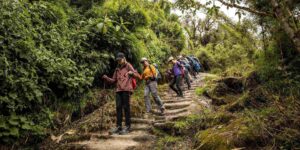
- Trails can become slippery and muddy, particularly around steep stone steps.
- Rain can make some sections more challenging for less experienced hikers.
- Cloud cover occasionally limits visibility during sunrise or mountain viewpoints.
With proper rain gear, waterproof boots, and guidance from Tunqui Expeditions, most trekkers still find the journey manageable — but you’ll need to be prepared for changing conditions.
Wet Gear and Humidity
The combination of light rain and humidity can make it difficult to keep clothes and equipment dry.
- Damp nights and misty mornings are common.
- It’s harder to dry hiking clothes or boots overnight at high altitudes.
- Moisture can affect electronics or cameras if not stored properly.
Pro tip: Pack waterproof bags, quick-dry layers, and a poncho — essentials for November trekking.
Limited Visibility at Viewpoints
While the mist adds a mystical atmosphere to the trail, it can also obscure panoramic views of the Andes and Machu Picchu at times.
The iconic sunrise from the Sun Gate (Inti Punku) may be hidden behind fog, especially toward the end of the month.
However, these misty moments often lift later in the morning, revealing stunning views once the sun breaks through.
Slippery and Uneven Trail Conditions
Even light rain can make the Inca Trail’s ancient stone steps slippery and uneven, requiring more caution while hiking.
This can:
- Slow your pace.
- Increase fatigue.
- Make trekking poles (with rubber tips) essential for balance.
Experienced guides from Tunqui Expeditions help navigate these sections safely, adjusting the pace to ensure comfort and security for every trekker.
Chance of Delayed Logistics
Occasional rain showers can cause minor travel delays — such as muddy access roads or slower transportation between Cusco, the Sacred Valley, and the trailhead.
While rare, it’s best to build flexibility into your travel itinerary. Professional operators Inca Trail like Tunqui Expeditions monitor weather updates daily and adjust schedules to ensure smooth coordination from start to finish.
More Insects in the Lower Jungle
The warmer, wetter climate in November brings an increase in mosquitoes and sandflies, particularly in the lower, tropical sections of the trail near Machu Picchu.
Tip: Pack insect repellent and wear long sleeves or lightweight pants to protect exposed skin.
Less Predictable Experience
Unlike the dry season (May–September), November weather can shift from sunshine to rain and fog within hours.
This unpredictability means hikers must be adaptable and open-minded — those expecting perfect blue skies every day might be disappointed.
That said, for flexible travelers, this variety often adds to the adventure and beauty of the journey.
Summary Table: Cons of Hiking in November
| Challenge | Description |
|---|---|
| Rainfall | Frequent light rain, slippery trails |
| Visibility | Mist and clouds can hide mountain views |
| Humidity | Gear may stay damp overnight |
| Trail Conditions | Slippery stones, slower hiking pace |
| Insects | More mosquitoes in lower areas |
| Logistics | Occasional travel or weather delays |
Recommendations for Hiking the Inca Trail in November
Hiking the Inca Trail can be a magical experience — fewer crowds, lush green landscapes, and a quiet, reflective atmosphere on one of the world’s most iconic trails. But since November marks the start of the rainy season, a bit of extra preparation goes a long way toward ensuring your trek is safe, comfortable, and unforgettable.
Here are the top recommendations from the expert guides at Tunqui Expeditions for making the most of your November adventure:
Pack for Variable Weather
November weather in the Andes can change quickly — from warm sunshine to mist or light rain within hours.
Make sure to bring:
- A light waterproof jacket or poncho.
- Waterproof hiking boots with strong grip.
- Quick-dry clothing and extra socks.
- A rain cover for your backpack and waterproof bags for electronics or clothes.
Pro tip: Tunqui Expeditions provides duffel bags and high-quality rain gear to help keep your belongings dry during the trek.
Travel Light but Smart
Porters on the Inca Trail carry limited weight per person (usually 7 kg / 15 lbs).
Pack only what you need for comfort and safety:
- Warm layers for cold nights (especially at higher altitudes).
- A hat, sunglasses, and sunscreen — UV rays remain strong, even on cloudy days.
- Insect repellent for the jungle sections near Machu Picchu.
- Refillable water bottle or hydration pack.
Tunqui Expeditions offers packing checklists and pre-trek briefings to make sure you’re fully prepared.
Acclimatize Before Starting
Cusco sits at 3,400 meters (11,150 ft), and the trail’s highest point — Dead Woman’s Pass (4,215 m / 13,828 ft) — can challenge even experienced hikers.
To prevent altitude sickness:
- Spend 2–3 days in Cusco before trekking.
- Stay hydrated and avoid alcohol.
- Try coca tea, a local natural remedy for altitude adjustment.
Tunqui Expeditions organizes acclimatization activities and city tours around Cusco and the Sacred Valley before the trek.
Start Early Each Day
Afternoon showers are more common in November, so starting early helps you avoid rain while hiking.
Most guided groups with Tunqui Expeditions begin trekking before 6:00 a.m. to take advantage of the clearer morning weather and better photo opportunities.
Book in Advance (But Not Too Far Ahead)
Because November is part of the shoulder season, permits are easier to get than in peak months — but it’s still smart to book a few weeks in advance.
Booking with a licensed tour operator like Tunqui Expeditions ensures:
- Guaranteed trail permits and Machu Picchu tickets.
- Reliable transportation and high-quality equipment.
- Ethical porter treatment and sustainable tourism practices.
Be Flexible and Embrace the Adventure
November hiking means embracing a little unpredictability. You might experience fog, rain, or even full sunshine in a single day — but that’s part of the Andean charm.
Keep a positive mindset, and you’ll discover that the changing weather adds to the mystical atmosphere of the trail.
Many travelers say the November mist and greenery make the Inca Trail even more beautiful than during the dry season.
Trust Experienced Local Guides
The Inca Trail is a demanding route — and in November’s shifting weather, having a professional guide is invaluable.
Tunqui Expeditions employs licensed, bilingual guides with years of experience leading treks safely in all conditions. They:
- Monitor weather updates daily.
- Adjust routes and pacing based on trail conditions.
- Carry first aid kits and oxygen for emergencies.
With them, you can focus on enjoying the journey instead of worrying about logistics.
Final Thoughts
Hiking the Inca Trail in November is about balance — a touch of rain, a lot of color, and almost no crowds. With the right mindset, preparation, and support from Tunqui Expeditions, this month offers one of the most authentic and rewarding ways to experience Machu Picchu.
You’ll walk the same ancient path as the Incas, surrounded by misty mountains, lush forests, and the timeless spirit of the Andes.
Is It Safe to Visit Machu Picchu in November?
Yes — it is absolutely safe to visit Machu Picchu in November. In fact, this month is one of the most peaceful and relaxed times of the year to explore Peru’s most iconic destination. While November marks the start of the rainy season, the showers are generally light and short-lived, and the region remains open and welcoming to travelers.
With fewer crowds, lush green scenery, and professional support from Tunqui Expeditions, visitors can experience a quieter, more intimate side of Machu Picchu without compromising safety or comfort.
Weather and Trail Safety
November brings intermittent rainfall, especially in the afternoons, but conditions are still safe for both the Inca Trail and Machu Picchu visits.
Trail conditions: Generally firm in early November, though some sections can become slippery later in the month.
- Visibility: Mornings are often clear, perfect for photography and sightseeing.
- Temperature: Comfortable — around 20–22°C (68–72°F) during the day and 10°C (50°F) at night.
As long as you wear proper waterproof gear and hiking boots, trekking remains perfectly safe.
Tunqui Expeditions provides expert guidance and equipment to ensure you stay secure and dry along the route.
Professional Guidance and Regulation
The Inca Trail and Machu Picchu are tightly regulated by the Peruvian government, with safety and conservation as top priorities.
- Only licensed tour operators like Tunqui Expeditions can lead Inca Trail treks.
- Park rangers monitor the routes daily.
- Visitor limits and timed entry tickets help avoid overcrowding and preserve the site’s integrity.
Result: Even in November’s variable weather, the Inca Trail and Machu Picchu remain safe, organized, and well-maintained for travelers.
Health and Altitude Considerations
The main challenge for visitors is not safety from weather but altitude adjustment. Cusco and the Inca Trail’s higher passes reach elevations over 4,000 meters (13,000 ft).
To ensure a safe and comfortable experience:
- Spend 2–3 days in Cusco before hiking to acclimatize.
- Stay hydrated and avoid alcohol.
- Consider coca tea or altitude medication if needed.
Guides from Tunqui Expeditions are trained in first aid and altitude management, and they carry oxygen and medical kits to assist hikers at any time.
Crime and General Safety
Cusco, the Sacred Valley, Aguas Calientes, and Machu Picchu are very safe areas for tourists.
Tourism is a vital part of Peru’s economy, so security is strong and visible throughout these regions.
To stay safe:
- Use licensed taxis or transfers arranged by your tour operator.
- Keep valuables secure and carry only essentials on the trail.
Always travel with a registered tour company such as Tunqui Expeditions, which ensures proper supervision from start to finish.
Transportation and Access
In November, all train and bus services to Machu Picchu operate normally.
PeruRail and Inca Rail trains from Cusco and Ollantaytambo run daily.
Shuttle buses from Aguas Calientes to Machu Picchu are safe, well-regulated, and comfortable.
Even if light rain occurs, transportation is rarely disrupted, and Tunqui Expeditions coordinates all logistics for a seamless journey.
Safety Tips for November Visitors
To make your trip smooth and secure:
- Pack a rain jacket or poncho and waterproof hiking shoes.
- Store valuables in sealed bags.
- Bring insect repellent for the lower jungle zone.
- Keep a copy of your passport and entry tickets on hand.
- Choose a reputable local tour operator with licensed guides — like Tunqui Expeditions.
These small steps ensure a safe and worry-free adventure, even during the rainy transition season.
Final Thoughts
Visiting Machu Picchu in November is perfectly safe — and often more rewarding. You’ll encounter fewer tourists, greener landscapes, and a serene atmosphere that makes the experience more personal and spiritual.
While the weather can be unpredictable, it’s rarely extreme, and the site is fully open throughout the month. With Tunqui Expeditions, travelers benefit from professional guides, expert logistics, and a commitment to both safety and sustainability.
Best Time of Year to Trek the Inca Trail
The best time to trek the Inca Trail is during the dry season, from May to September, when the weather is clear, the trails are dry, and visibility is at its best. These months offer sunny days, cool nights, and breathtaking views of the Andes — ideal conditions for photography and comfortable hiking.
June, July, and August are the most popular months, so permits sell out fast. If you prefer fewer crowds and mild weather, the shoulder months of April and October are excellent alternatives.
The rainy season (November–March) brings greener landscapes and fewer tourists, but trekkers should expect occasional showers and slippery paths. Note: the trail is closed every February for maintenance.
No matter the month, traveling with an experienced local operator like Tunqui Expeditions ensures safety, expert guidance, and a memorable, sustainable journey to Machu Picchu.
Quick Comparison Chart
| Month | Weather | Trail Conditions | Crowds | Best For |
|---|---|---|---|---|
| April | Mild & clear | Drying after rains | Moderate | Balance of weather & crowds |
| May | Sunny & dry | Excellent | High | Start of dry season |
| June | Clear & cool | Excellent | Very high | Festivals & best views |
| July | Sunny & crisp | Perfect | Very high | Ideal weather, vibrant energy |
| August | Cool & dry | Excellent | High | Peak trekking conditions |
| September | Warming up | Stable | Moderate | Fewer crowds |
| October | Mild & green | Slight rain | Moderate | Great balance |
| Nov–Mar | Rainy & humid | Muddy | Low | Off-season adventurers only |
Expert Tip: Choose Based on Priorities
Your “best” time to hike the Inca Trail depends on what kind of experience you want:
| Priority | Best Time to Go |
|---|---|
| Perfect weather & photography | June–July |
| Fewer crowds & good weather | April or October |
| Budget-friendly travel | November–March |
| Cultural festivals (Inti Raymi & Fiestas Patrias) | June–July |
The best time of year to trek the Inca Trail is during the dry season, particularly May to September, when conditions are safest and the views are at their most stunning.
However, every season offers its own beauty — whether it’s the vibrant greenery of the rainy months or the peaceful atmosphere of the shoulder seasons.
By booking early and traveling with a trusted local operator like Tunqui Expeditions, you’ll ensure your journey is not only unforgettable but also safe, responsible, and culturally enriching.
Alternative Treks to the Inca Trail in November
July is the peak month for trekking in Peru, and since Inca Trail permits often sell out months in advance, many travelers choose alternative treks that are just as breathtaking — and often less crowded.
Here are the top Inca Trail alternatives in november, recommended by Tunqui Expeditions, one of Cusco’s most trusted local operators:
Salkantay Trek to Machu Picchu
- Duration: 4–5 days
- Highlights: Snow-capped Salkantay Mountain (6,271 m), tropical cloud forests, and turquoise Humantay Lake.
- Why July? Perfect dry-season conditions with crystal-clear views and minimal rainfall.
- Bonus: No permit required — book anytime with Tunqui Expeditions.
- Duration: 3–4 days
- Highlights: Remote Andean villages, natural hot springs, and authentic Quechua culture.
- Why July? Excellent weather for cultural immersion and photography.
- Ideal for: Travelers seeking a less touristy, community-based trekking experience.
- Duration: 5–7 days
- Highlights: The “sister city of Machu Picchu”, dramatic canyon landscapes, and fewer visitors.
- Why July? Dry trails and stunning mountain visibility make it one of the most rewarding long-distance hikes.
- Duration: 3–4 days
- Highlights: Combines hiking, biking, ziplining, and rafting for an adventure-packed route to Machu Picchu.
- Why July? Clear weather ensures safe, thrilling outdoor conditions.
Why Choose Tunqui Expeditions
All Alternative treks with Tunqui Expeditions include professional local guides, high-quality camping gear, cultural experiences, and ethical porter support. Whether you choose the Inca Trail or an alternative route, July offers the perfect blend of adventure and ideal weather in the Peruvian Andes.
Things to Know Before Hiking the Inca Trail
Hiking the Inca Trail to Machu Picchu is one of the most iconic adventures in the world — but it requires preparation, planning, and respect for both nature and culture. Here are the most important things to know before you go, according to the expert guides at Tunqui Expeditions 👇
You Need a Permit
Access to the Inca Trail is limited to 500 people per day (including guides and porters).
Permits often sell out months in advance, especially for the high season (May–September).
Always book early with a licensed operator like Tunqui Expeditions to secure your spot.
Acclimatize in Cusco
Cusco sits at 3,400 m (11,150 ft) above sea level, so spend 2–3 days there before starting your trek.
This helps prevent altitude sickness and allows you to explore the city’s rich Inca history.
Pack Smart
Weather in the Andes can change quickly — sunny one hour, rainy the next.
Essential items:
- Waterproof jacket & boots
- Layered clothing
- Refillable water bottle
- Sunscreen & insect repellent
- Rain cover for your backpack
Tunqui Expeditions provides tents, sleeping mats, and meals — you only need to bring your essentials.
The Trek Is Challenging but Rewarding
The classic 4-Day Inca Trail covers 42 km (26 miles) over 4 days, reaching a maximum altitude of 4,215 m (13,828 ft) at Dead Woman’s Pass.
It’s a moderate to challenging hike — fitness preparation is recommended, but the stunning scenery and ancient ruins make it 100% worth it.
Choose the Right Season
- Best months: May–September (dry season)
- Quieter & greener: October–November
- Trail closed: February (maintenance)
Each season offers a unique experience, so plan according to your weather and crowd preferences.
Travel with a Licensed, Local Operator
Only authorized tour companies can operate on the official Inca Trail.
Choosing Tunqui Expeditions ensures:
- Expert, bilingual guides
- Ethical porter treatment
- High-quality equipment
- Sustainable, eco-friendly practices
The Inca Trail Month by Month — What to Expect All Year Round
The Inca Trail to Machu Picchu is a bucket-list trek that offers something special every month of the year. From the dry, sunny days of June to the lush green valleys of December, each season reveals a different side of the Andes.
Here’s a month-by-month guide to help you choose the best time to hike — and plan your adventure with the trusted local experts at Tunqui Expeditions.
- January – Green and Rainy Adventures: Learn more about the Inca Trail in January
- February – Trail Maintenance Month: See alternative treks for February
- March – The Season Reawakens: Discover the Inca Trail in March
- April – Perfect Balance of Sun and Greenery: Read about the Inca Trail in April
- May – The Start of the Dry Season: Explore the Inca Trail in May
- June – Peak Season and Festivities: Hike the Inca Trail in June
- July – Prime Trekking Conditions: Experience the Inca Trail in July
- August – Ideal for Adventure Seekers: See why August is great for the Trek Inca Trail in August
- September – The Shoulder Season Sweet Spot: Learn about the Inca Trail in September
- October – Mild Weather and Fewer Crowds: Discover the Inca Trail in October
- November – Quiet, Lush, and Rewarding: Read about the Inca Trail in November
- December – Lush, Peaceful, and Magical: Explore the Inca Trail in December
No matter when you go, the Inca Trail offers a once-in-a-lifetime adventure. Each month brings its own character — from the crystal-clear skies of June to the emerald valleys of December.
With Tunqui Expeditions, you’ll experience the trail safely and authentically, guided by local experts who know every mountain, ruin, and secret of this sacred route
FAQs for Hiking the Inca Trail in November
Is the Inca Trail open in November?
Yes — the classic Inca Trail is open in November. It is closed annually in February for maintenance.
Do I need to book my permit in advance?
Yes — even in November, permits are required and limited (500 per day including guides & porters). Although availability is better than the peak months (June-August), you should still book ahead with a licensed operator.
What is the weather like on the trail in November?
November marks the beginning of the rainy season. You can expect more humidity, occasional showers (often in the afternoon), and misty conditions. Daytime temperatures tend to be moderate; nights can be cool.
Are the trails muddy or slippery in November?
Yes — because rainfall begins to increase, some sections may be slippery or muddy, especially late in the month or after showers. Proper footwear and trekking poles are strongly recommended.
How crowded is the trail in November?
It’s less crowded than during the dry peak season (June–August). November is considered a “shoulder season,” so you’ll likely have a more peaceful experience.
Is November a “good time” to hike the Inca Trail?
Yes — if your priorities are fewer crowds, lush green scenery, and a more relaxed pace, November is a good time. Just be prepared for a bit more unpredictable weather.
What should I pack for November trekking?
Key items: waterproof jacket or poncho, waterproof boots with good grip, quick-dry layers, extra socks, rain cover for backpack, trekking poles, insect repellent for lower zones, and warm layers for nights.
Will I miss scenery due to clouds or rain?
Possibly — clouds, mist, or rain may limit mountain and sunrise views on some days. However, this can also add a mystical quality to your trek and often will clear up.
Is altitude still a major concern?
Yes — altitude affects trekkers year-round. The highest point on the classic trail (Dead Woman’s Pass) is ~4,215 m (13,828 ft). Acclimatizing in Cusco for 1-2 days before the hike remains crucial.
Are transport and logistics still reliable in November?
Yes — by November transport (trains, buses) are typically operating normally. Although there may be more rain, most operators are experienced and adapt. Booking with a reliable company is recommended.
Does it rain all day in November on the Inca Trail?
No — rain in November is usually short and scattered, often in the late afternoon or evening. Mornings tend to be clear, making it the best time to hike and take photos. With good rain gear, trekking remains comfortable and enjoyable.
Are there still campsites available in November?
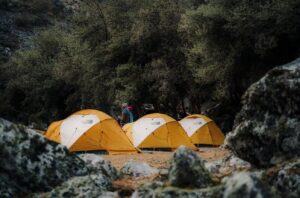
Yes. November is part of the shoulder season, so campsites are less crowded compared to the dry-season months. This allows for a quieter and more personal experience along the trail.
Tunqui Expeditions reserves well-maintained, scenic camping spots in advance for small, comfortable groups.
What’s the difference between hiking in November and peak season?
The biggest differences are:
- Weather: November is wetter but greener.
- Crowds: Fewer hikers on the trail and at Machu Picchu.
- Atmosphere: More peaceful and authentic.
If you prefer tranquility and natural beauty over perfect weather, November is a great choice.
Are there more insects in November?
Yes — due to warmer and wetter conditions, there are more mosquitoes and sandflies, especially in the lower, tropical areas near Machu Picchu.
Tip: Bring insect repellent and wear long sleeves or lightweight hiking pants in the evenings.
What’s the best way to prepare for hiking in November?
- Do light cardio training or hikes before your trip.
- Spend 2–3 days acclimatizing in Cusco.
- Pack waterproof gear and extra dry layers.
- Stay hydrated and carry snacks.
- Choose a reputable, licensed company such as Tunqui Expeditions for safety and expert local guidance.
Conclusion: Should You Hike the Inca Trail in November?
If you’re wondering whether it’s worth hiking the Inca Trail in November, the answer is absolutely yes — as long as you’re ready for a touch of rain and a lot of natural beauty. November marks the beginning of the rainy season in the Andes, but it also brings lush green landscapes, fewer crowds, and a more peaceful trail experience.
While you may face some showers or misty mornings, you’ll also enjoy milder temperatures, vivid scenery, and quieter campsites — something rarely found in the busy months of June to August. The trail feels more intimate, the ruins more mysterious, and the entire journey more personal.
With the guidance of a professional, licensed operator like Tunqui Expeditions, you can hike safely and confidently. Their expert local guides, ethical porters, and top-quality equipment ensure that every traveler — rain or shine — experiences the Inca Trail’s magic in comfort and safety.
So, if you’re looking for a more authentic and serene adventure, November might just be the perfect month to walk in the footsteps of the ancient Incas and witness Machu Picchu emerge from the morning mist.