 Español
  English


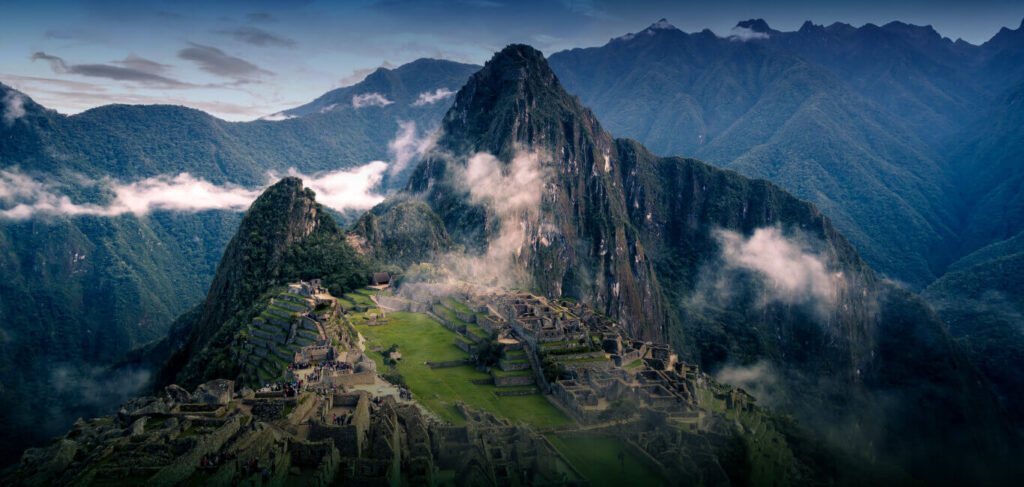
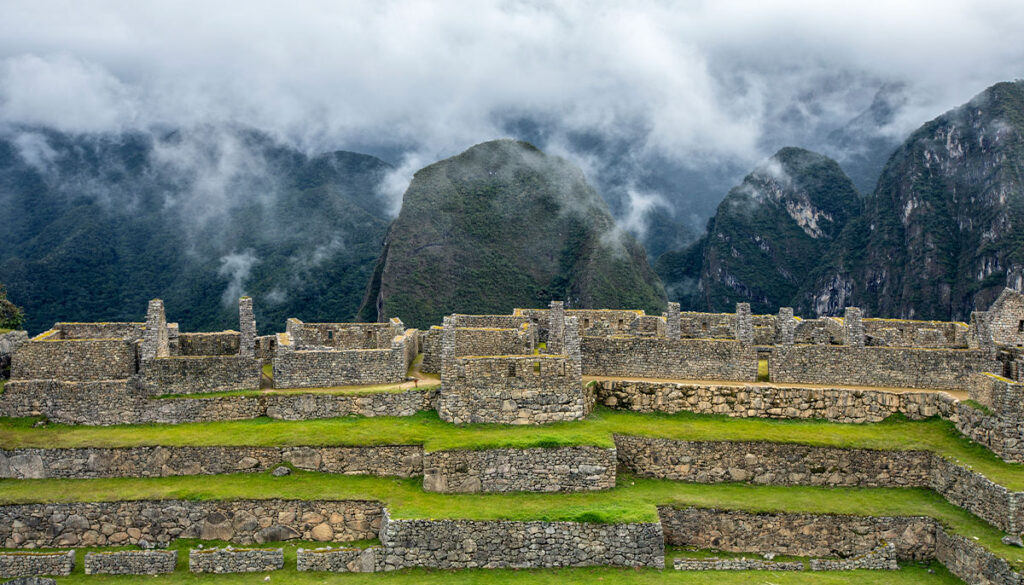
Wet and warm — that’s how Machu Picchu in January. It’s the heart of the rainy season, with an average of 18 wet days and shorter hours of sunshine. While it’s not the driest month to visit, the rain gives the landscape a deep, lush green tone that makes the ruins look even more mystical. When the clouds lift, even briefly, the views are simply unforgettable.
January weather can change within minutes — one moment the mist rolls in, and the next, the sun breaks through, illuminating the stone terraces and peaks. After the first week of the New Year, the number of visitors drops significantly, creating a quieter and more peaceful experience. If you catch one of those rare sunny days, exploring Machu Picchu can feel like having the site almost to yourself.
Hiking in January, however, comes with some challenges. The Classic Inca Trail 4 Days Tour (4 days) is often affected by heavy rain, making some sections slippery or temporarily closed. If you still want to experience a trek, the Short Inca Trail With Hotel 2 Days (2 days) is a great alternative — it remains open most of the year and offers stunning views with less exposure to unpredictable weather.
If you prefer a more comfortable journey, you can always reach Machu Picchu by train from Cusco or Ollantaytambo — a scenic route that allows you to enjoy the breathtaking mountain landscapes without worrying about the rain.
Did you know? There are several visiting circuits at Machu Picchu designed to preserve the site and enhance your experience.
We’ve selected the best options for every traveler:
Planning Your Trip to Machu Picchu in January
January marks the beginning of the rainy season in Machu Picchu — a time when the ancient citadel reveals a different kind of magic. The clouds roll over the mountains, the lush greenery becomes more vibrant, and the crowds thin out, creating a more peaceful experience.
Weather in Machu Picchu in January
January is the heart of the rainy season in Machu Picchu, bringing warm days, humid air, and frequent showers. The average daytime temperature ranges between 18°C and 25°C (64°F–77°F), while nighttime can feel cooler, dropping to around 10°C (50°F).
Rainfall is common — you can expect up to 18 rainy days throughout the month, often in the form of short, heavy bursts followed by mist or sunshine. Morning fog is typical, wrapping the citadel in an ethereal, almost mystical atmosphere. When the clouds lift, the contrast between the green terraces and the stone ruins is simply breathtaking.
Although January is wet, it’s also one of the most photogenic times of the year to visit Machu Picchu. The surrounding mountains and jungles glow in vibrant shades of green, and fewer tourists mean you can often enjoy panoramic views without the crowds.
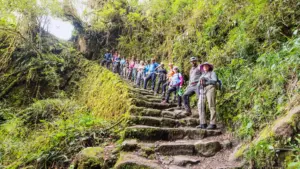
If you plan to hike, keep in mind that rain can make trails muddy and slippery. The Inca Trail to Machu Picchu Tours Hike may face temporary closures for maintenance.
Make sure to pack waterproof gear and quick-dry clothing — a lightweight poncho, rain jacket, and sturdy hiking shoes are essential. Don’t forget to protect your electronics with waterproof covers or dry bags.
Visiting Machu Picchu in January: Pros and Cons
Visiting Machu Picchu in January offers a unique mix of beauty and challenge. It’s the heart of the rainy season, meaning lush green landscapes, fewer tourists, and a calm, mystical atmosphere around the citadel. However, the frequent rain can make hiking trails slippery and occasionally limit visibility.
Despite the unpredictable weather, many travelers find January to be one of the most peaceful and rewarding times to experience Machu Picchu — and here we give you the main Pros and Cons to help you decide if January is the right month for your visit.
Advantages of Visiting in January
- Fewer tourists: After the New Year, the crowds thin out, making January one of the quietest months to explore Machu Picchu.
- Peaceful experience: You can take photos without rush, enjoy the citadel calmly, and connect more deeply with the atmosphere.
- Lower prices: Hotels, trains, and some tours often offer off-season discounts, making it ideal for budget travelers.
- Vibrant green landscapes: The rainfall turns the mountains and valleys a bright, lush green — perfect for photographers.
- Magical atmosphere: Mist and clouds give Machu Picchu a mystical, dreamlike appearance rarely seen in the dry season.
- Local expertise: With Tunqui Expeditions, you can explore confidently — our team monitors weather conditions daily and adjusts itineraries for comfort and safety.
Drawbacks of Visiting in January
- Heavy rainfall: Expect frequent showers — sometimes brief, sometimes intense. Rain gear is a must.
- Trail closures: The Classic Inca Trail can close due to maintenance or safety concerns; however, the Short Inca Trail and train routes remain open.
- Slippery paths: Rain makes stone steps and trails muddy or slick, requiring extra caution while hiking.
- Unpredictable weather: Conditions can shift from sun to fog to rain within minutes. Always stay flexible with your plans.
- Limited mountain views: Dense clouds occasionally cover the iconic peaks, reducing visibility for photos or panoramic views.
Essential Travel Tips for January
Traveling to Machu Picchu in January requires a bit of extra preparation due to the rainy season. With changing weather, fewer crowds, and lush scenery, having the right gear and plan can make your trip smooth and enjoyable. Here are some essential tips to help you make the most of your visit this month:
- Book tickets and trains in advance: Even in the low season, train schedules and entry tickets can sell out on certain days.
- Pack waterproof essentials: A lightweight rain jacket, poncho, and dry bags for electronics are must-haves.
- Wear proper footwear: Trails and steps can be slippery — sturdy, non-slip hiking shoes are essential.
- Start your visit early: Mornings often have less rain and clearer skies for photography.
- Stay flexible with plans: Weather can change quickly, so allow extra time for transportation or rescheduling.
- Choose experienced operators: Local teams like Tunqui Expeditions monitor weather daily and adjust tours for your safety and comfort.
- Bring insect repellent and sunscreen: Even with rain, UV rays and mosquitoes can be strong in the cloud forest.
- Carry local currency (soles): Smaller vendors around Aguas Calientes may not accept cards.
What to Pack for Machu Picchu in January
Packing smart is key when visiting Machu Picchu in January, as the rainy season brings both sunshine and showers. The goal is to stay dry, comfortable, and ready for quick weather changes while exploring the site or nearby trails. Here’s what you shouldn’t leave behind:
- Lightweight rain jacket or poncho: Essential for sudden downpours.
- Waterproof hiking shoes: Trails and stone paths can be slippery.
- Quick-dry clothing: Avoid heavy fabrics; choose breathable, fast-drying materials.
- Hat and sunscreen: UV rays are strong even on cloudy days.
- Insect repellent: The humidity attracts mosquitoes, especially near Aguas Calientes.
- Reusable water bottle: Stay hydrated while being eco-friendly.
- Small backpack with rain cover: Perfect for carrying essentials during your visit.
- Dry bags or waterproof covers: Protect your phone, camera, and documents from rain.
- Snacks and energy bars: Ideal for long days of exploring.
- Passport and entry tickets: Required for entrance to Machu Picchu.
When Do Machu Picchu Tickets Sell Out in January?
January is part of the low tourist season in Machu Picchu, so tickets usually don’t sell out as quickly as during the dry months (May–September). However, it’s still important to plan ahead — especially if you want to visit at a specific time or combine your trip with popular hikes. Here’s what to keep in mind:
- Book at least 2–3 weeks in advance: While last-minute tickets are often available, early booking ensures your preferred entry time and train schedule.
- Choose morning entries: These are the most popular, as mornings usually have clearer weather and better light for photos.
- Special routes sell out faster: Tickets that include hikes like Huayna Picchu or Machu Picchu Mountain have limited daily spots and should be reserved early.
- Inca Trail permits are limited: The Classic Inca Trail sells out months ahead (even for January), while the Short Inca Trail usually has more flexibility.
- Book through trusted operators: Agencies like Tunqui Expeditions handle permits and entry tickets directly, saving you time and avoiding errors.
Best Time of Day to Visit Machu Picchu in January
Choosing the right time to visit Machu Picchu in January can make a big difference, especially with the unpredictable weather of the rainy season. While clouds and showers are common, certain times of the day offer clearer views and fewer crowds. Here’s what to consider when planning your visit:
- Early morning (6:00–8:00 a.m.): The best window for clear skies and peaceful exploration before most tourists arrive. You’ll often see the mist lifting off the mountains — perfect for photography.
- Late morning (9:00–11:00 a.m.): Rain is still less likely, and the light is ideal for panoramic views of the citadel.
- Afternoon (after 1:00 p.m.): Quieter hours with smaller crowds, though showers are more common. Bring your rain gear just in case.
- Avoid late entry (after 3:00 p.m.): The site closes around 5:30 p.m., leaving little time to explore.
- Check the weather daily: January weather can change quickly — your guide or tour operator, such as Tunqui Expeditions, can help adjust your schedule for the best experience.
Best Machu Picchu Tours in January
Even during the rainy season, January offers incredible ways to explore Machu Picchu — whether you prefer a scenic train ride, a short hike, or a full adventure through the Andes. Choosing the right tour can make your experience smoother, safer, and more rewarding. Below are some of the best options for this time of year, ideal for all types of travelers:
- Machu Picchu Full-Day Tour by Train:
Perfect for travelers who want comfort and convenience. The train from Cusco or Ollantaytambo offers breathtaking views of the Sacred Valley before arriving at Aguas Calientes. Most tours include round-trip tickets, entry to Machu Picchu, and a guided visit. - Short Inca Trail (2 Days):
A great alternative during the rainy season — it remains open most of the year and is less affected by heavy rainfall. This route includes one day of hiking and a second day exploring Machu Picchu. Ideal for those seeking a blend of adventure and comfort. - Sacred Valley + Machu Picchu (2 Days):
A popular choice to experience both the Sacred Valley’s Inca sites and Machu Picchu. You’ll visit highlights like Pisac, Ollantaytambo, and then continue by train to Aguas Calientes before your Machu Picchu tour the next day
Frequently Asked Questions About Machu Picchu in January
Is Machu Picchu open in January?
Yes, Machu Picchu is open all year round, including January. However, it’s the middle of the rainy season, so visitors should expect frequent showers and cloudy conditions. Despite the weather, the site remains accessible by train and bus from Cusco or Ollantaytambo.
Can you hike the Inca Trail in January?
The Classic Inca Trail (4 Days) is open in January but often experiences heavy rain and muddy paths, making it more challenging. Many travelers opt for the Short Inca Trail (2 Days) instead, as it’s less affected by the weather and still ends at the Sun Gate overlooking Machu Picchu.
Is January a good time to visit Machu Picchu?
It depends on your preferences. January offers lush green scenery and fewer crowds, but also frequent rain and fog. If you prefer peace and lower prices, it’s a great month. If you want guaranteed dry weather, consider visiting between May and September.
How bad is the rain in January at Machu Picchu?
Rain is frequent but not constant. Most days have short, heavy showers, usually in the afternoon. Mornings often start cloudy or misty but can clear up, revealing spectacular views. With proper rain gear, visiting is still enjoyable.
Are train services to Machu Picchu affected by rain?
Generally, train services operate normally in January. However, occasional delays can happen due to heavy rainfall or maintenance. It’s recommended to check schedules a day before your trip and stay flexible with your travel plans.
What should I wear to Machu Picchu in January?
Light, quick-dry clothing is best, along with a rain jacket, poncho, and non-slip hiking shoes. Bring a small backpack with a waterproof cover, insect repellent, and sun protection — even on cloudy days.
Are there fewer tourists at Machu Picchu in January?
Yes. January is part of the low season, meaning fewer visitors and a more peaceful experience. You’ll have more freedom to explore and take photos without crowds.
Is it safe to visit Machu Picchu in January?
Absolutely. Visiting Machu Picchu in January is safe as long as you take precautions for the rain — wear proper footwear, check weather updates, and travel with a reliable operator like Tunqui Expeditions for expert guidance and safety.
Final Thoughts on Visiting Machu Picchu in January
Visiting Machu Picchu in January is not for everyone — but for those who embrace a bit of rain and adventure, it’s one of the most rewarding times of the year. The misty mornings, lush green mountains, and peaceful atmosphere give the Inca citadel a mystical charm that few travelers get to experience. With proper preparation, flexible planning, and guidance from local experts like Tunqui Expeditions, you can explore this world wonder safely and comfortably, even during the rainy season.
So pack your rain gear, keep your camera ready, and let January surprise you with its quiet beauty — proof that Machu Picchu’s magic shines in every season.