 Español
  English


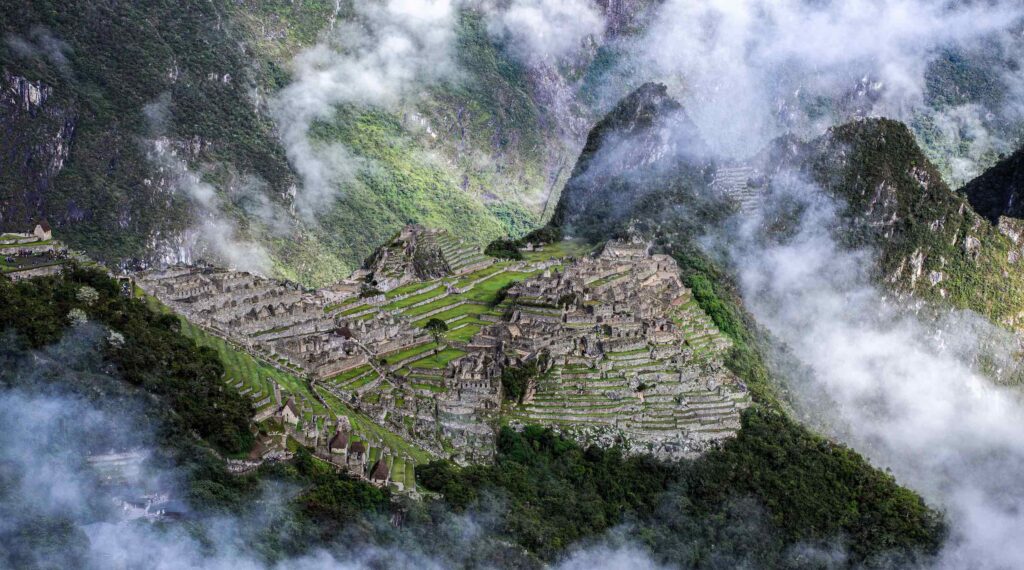
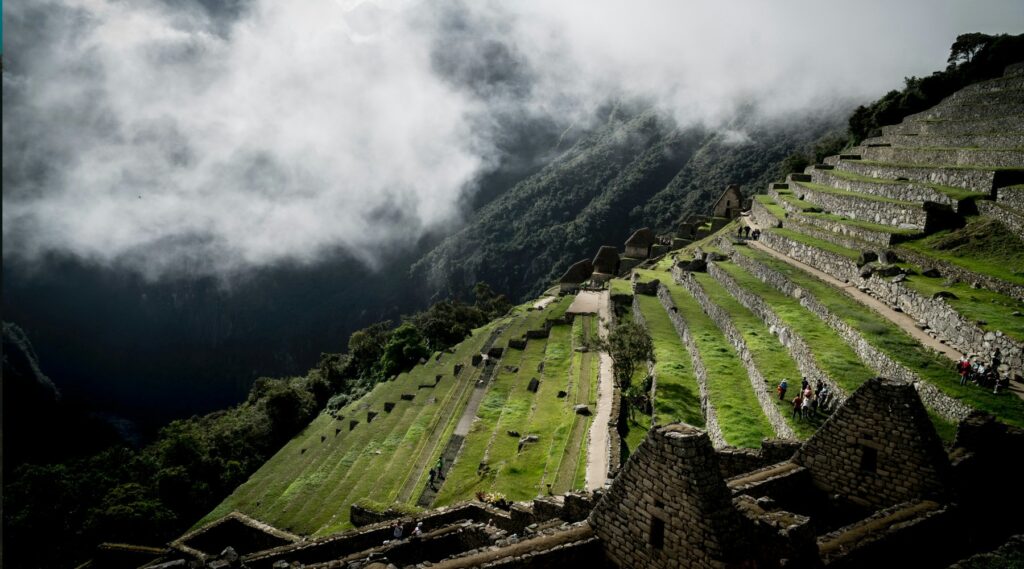
Machu Picchu in March marks the beginning of a beautiful transition at Wonders of the World — when the heavy rains of summer begin to fade and the first hints of the dry season appear. The landscape remains lush and green, the air feels fresh, and the sunlight starts to break through the mist that often surrounds the Andes during the earlier months.
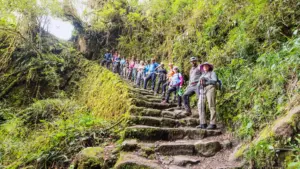
This is also when the Inca Trail to Machu Picchu Tours reopens after its annual February maintenance, welcoming hikers eager to experience one of the world’s most iconic hiking routes. The trails are cleaner, vegetation is vibrant, and waterfalls along the way are at their fullest, creating an unforgettable atmosphere for adventurers.
Although short rain showers are still common, March offers a perfect balance — not too wet, not too crowded, and full of life. For travelers looking to enjoy Machu Picchu with mild weather and more flexibility, this month is an excellent choice. With the expertise of Tunqui Expeditions, you can explore the citadel safely and comfortably, whether you arrive by panoramic train, hike the Inca Trail, or combine both for a once-in-a-lifetime experience.
Machu Picchu Weather in March
March is a transitional month in Machu Picchu, marking the gradual end of the rainy season and the beginning of clearer skies. The landscape is still lush from months of rainfall, but the weather becomes more stable, offering travelers a great mix of freshness, greenery, and sunlight.
Typical Temperatures in March
During March, daytime temperatures at Machu Picchu range between 18°C and 26°C (64°F–79°F), while nights remain mild at around 10°C (50°F). The air feels humid but refreshing, and mornings are often misty before the sun burns off the fog, revealing stunning views of the mountains and terraces.
How Much Does It Rain in March?
Rainfall begins to decrease compared to January and February, averaging around 12–14 rainy days in the month. Showers are typically short and occur in the afternoons. The mornings are clearer, making them ideal for exploring or taking photographs of the citadel before the clouds roll in.
How the Weather Affects the Experience
The combination of lingering rain and emerging sunshine gives Machu Picchu a vibrant, almost cinematic atmosphere. The green landscape is at its peak, waterfalls are strong, and the views are breathtaking. Trails can still be damp, but accessibility improves significantly compared to the previous months. For trekkers, it’s an excellent time to hike the 4-Day Classic Inca Trail, which reopens in March, or opt for the 2-Day Short Inca Trail for a lighter adventure.
Visiting Machu Picchu in March: Pros and Cons
March is one of the most balanced months to visit Machu Picchu. The heavy rains begin to fade, the Inca Trail 4 Days reopens, and the surrounding mountains are still lush and green. It’s a great time for travelers who want the beauty of the rainy season with more stable weather and fewer crowds than the upcoming high season. However, it’s still part of the wet transition period — meaning some rain, slippery trails, and variable visibility are possible.
Here’s a quick look at the main advantages and drawbacks of visiting Machu Picchu in March:
Advantages of Visiting in March
- Milder weather: The rains start to ease, and days are pleasantly warm with fresh, clear air.
- Lush scenery: The vegetation is still vibrant from the rainy season, offering incredible photo opportunities.
- Reopening of the Inca Trail: The Classic Inca Trail 4D/3N and Short Inca Trail 2D/1N reopens after its February maintenance, attracting hikers eager for adventure.
- Fewer crowds: March is still part of the low-to-shoulder season, meaning quieter ruins and more relaxed exploration.
- Lower prices: Accommodation and some tours remain more affordable compared to the high season months.
- Flexible travel: With fewer visitors, train and bus tickets are easier to find, allowing more flexibility in your itinerary.
- Guided expertise: Local tour operators like Tunqui Expeditions provide expert guidance and adapt routes based on weather conditions, ensuring safety and comfort.
Drawbacks of Visiting in March
- Occasional rain showers: Afternoon rains are still common, so you’ll need waterproof clothing and patience for unpredictable weather.
- Slippery trails: Some trekking routes and stairs can remain wet or muddy from earlier rains.
- Fog and visibility issues: Mornings can be misty, sometimes hiding the citadel view until later in the day.
- Transition season: While better than January or February, the weather can still be inconsistent — sunny one moment, rainy the next.
- Early planning needed for treks: As the Inca Trail reopens, permits can sell out quickly for March departures.
Essential Travel Tips for March to visit Machu Picchu
March is a wonderful time to visit Machu Picchu, but as it marks the transition from the rainy to the dry season, it’s important to plan smartly. The weather can shift quickly — from sunshine to light showers — so preparation and flexibility are key. Here are some essential tips to make your trip smooth, safe, and unforgettable:
- Book early if hiking: The Inca Trail reopens in March and sells out quickly. Reserve permits and tours at least 8–9 months in advance.
- Travel light but smart: Bring layers to adapt to sudden weather changes — mornings can be cool, afternoons warm, and evenings fresh.
- Carry waterproof essentials: A poncho or rain jacket and dry bags for electronics will save your day if a shower hits.
- Start early in the day: Mornings often have clearer skies and better lighting for photography before possible afternoon rain.
- Use reliable guides and operators: Travel with experienced teams like Tunqui Expeditions, who monitor daily weather and adjust itineraries for your safety and comfort.
- Wear sturdy shoes: Paths can still be slippery from recent rains, especially around the ruins.
- Bring insect repellent and sunscreen: Even cloudy days have strong UV rays, and the humidity attracts mosquitoes.
- Stay hydrated: Carry a reusable water bottle — hydration is essential at high altitudes.
- Check weather updates daily: Conditions in the Andes can change fast; be ready to adjust plans if needed.
- Enjoy the scenery: March offers some of the greenest and most photogenic landscapes — take your time to enjoy the views.
What to Pack for Machu Picchu in March
Packing for Machu Picchu in March means being ready for both sunshine and light rain. As the wet season fades, the weather becomes more stable, but short showers can still surprise you — especially in the afternoons. The key is to stay dry, comfortable, and prepared for changing conditions. Here’s what you should bring:
- Light rain jacket or poncho: Essential for unexpected showers during hikes or visits.
- Waterproof hiking shoes: Trails and stairs can still be slippery after rainfall.
- Quick-dry clothing: Choose breathable, moisture-wicking fabrics that dry fast if they get wet.
- Light layers: Pack a mix of T-shirts, a warm sweater, and a windbreaker for variable temperatures.
- Hat and sunscreen: UV rays are strong at high altitudes, even on cloudy days.
- Insect repellent: March’s humidity can attract mosquitoes, especially around Aguas Calientes.
- Reusable water bottle: Stay hydrated while exploring or trekking.
- Small backpack with rain cover: Perfect for carrying essentials like your camera, snacks, and documents.
- Dry bags or waterproof cases: Protect electronics, passports, and tickets from moisture.
- Energy snacks: Bring protein bars or nuts for long travel days or hikes.
- Personal medication: Include altitude pills, pain relievers, and any prescriptions you need.
- Passport and entry tickets: Required for entry to Machu Picchu.
Tip: If you’re hiking the Inca Trail in March, pack lightweight trekking poles (with rubber tips) — they’re helpful on wet or uneven terrain.
When Do Machu Picchu Tickets Sell Out in March?
March marks the start of the shoulder season at Machu Picchu — when tourism begins to pick up again after the quieter rainy months. While it’s not as crowded as the high season (May to September), ticket demand starts to rise, especially for specific circuits and hikes. Planning ahead ensures you get your preferred schedule and experience without stress.
Here’s what you should know before booking:
- Reserve tickets at least 6–7 weeks in advance: Especially if you’re traveling mid- to late March, when visitor numbers increase.
- Morning entries sell out first: Early morning tickets (6:00–9:00 a.m.) are the most popular because skies are clearer and temperatures are cooler.
- Special hiking routes are limited: Tickets for Huayna Picchu Mountain and Machu Picchu Mountain have strict daily limits and often sell out weeks ahead.
- Inca Trail permits go fast: The Classic Inca Trail reopens in March, and permits are limited to 500 per day (including guides and porters). Book at least 2–3 months in advance.
- Train tickets fill up on popular days: Especially around weekends. Booking early ensures better schedules and seats with scenic views.
- Travel with local experts: Operators like Tunqui Expeditions handle permits, entry tickets, and logistics, ensuring your booking is secure and worry-free.
- Check official availability: Always confirm your ticket through the official Machu Picchu website or a certified travel agency before finalizing plans.
Pro Booking Tips
- Book early — ideally 7 months in advance for June visits.
- Use official or authorized websites, such as tuboleto.cultura.pe or trusted local operators like Tunqui Expeditions.
- Bundle your travel services (tickets + train + guide) for better coordination and less hassle.
- Be flexible with entry times or trekking dates if your preferred slot is full.
Best Time of Day to Visit Machu Picchu in March
March offers a mix of sunshine, mist, and occasional rain, making timing an important factor for the best experience at Machu Picchu. Since the rainy season is ending, mornings tend to be clearer, while afternoons can still bring light showers. Choosing the right entry time can help you enjoy better visibility, softer light for photos, and fewer crowds.
Here’s how each time of day compares:
- Early Morning (6:00–8:00 a.m.):
Th best time to enjoy peace and calm before most visitors arrive. Mornings in March are often misty at first but usually clear up, offering stunning views as the clouds lift. Perfect for photographers and early risers. - Late Morning (8:00–11:00 a.m.):
Generally the most stable weather of the day. The sun breaks through the mist, and lighting is ideal for exploring the ruins and taking panoramic shots. This is also the most popular entry time, so expect moderate crowds. - Afternoon (12:00–3:00 p.m.):
Fewer tourists and softer lighting for photos. However, short rain showers are still possible, so a rain jacket or poncho is recommended. If you prefer a quieter atmosphere, this is a great option. - Late Afternoon (After 3:00 p.m.):
The site becomes calm again as most visitors leave, but visibility can vary depending on the weather. It’s a peaceful time for reflection and photos, though keep in mind that the site closes around 5:00 p.m.
Tip: Work with local experts like Tunqui Expeditions to choose the best entry time according to daily weather forecasts — their guides adjust itineraries to make sure you get the clearest and most enjoyable visit possible.
Best Machu Picchu Tours in March
March is an excellent month to explore Machu Picchu, as the weather begins to stabilize and the trails reopen after the rainy season. Whether you prefer scenic train rides, guided cultural tours, or adventurous treks, this month offers a perfect mix of options for every traveler. Here are some of the best Machu Picchu tours in March to consider:
- Machu Picchu Full-Day Tour by Train:
Ideal for those seeking comfort and convenience. Travel from Cusco or Ollantaytambo aboard a scenic train through the Sacred Valley, then enjoy a guided visit of the citadel. March’s clearer skies often provide spectacular views along the route. - Classic Inca Trail (4 Days):
The iconic Inca Trail reopens in March after its annual maintenance in February. Trails are lush and full of waterfalls, creating a unique and vibrant trekking experience. Advance booking is essential, as permits sell out fast. - Short Inca Trail (2 Days):
Perfect for those who want a lighter adventure. This trek offers a shorter hiking route with fewer challenges, beautiful landscapes, and a rewarding arrival at the Sun Gate (Inti Punku) overlooking Machu Picchu. - Sacred Valley + Machu Picchu (2 Days):
A balanced itinerary combining cultural exploration and natural beauty. Visit Pisac, Ollantaytambo, and the Sacred Valley before continuing by train to Machu Picchu. Great for travelers who want history, culture, and scenery in one trip.
Frequently Asked Questions About Machu Picchu in March
Is Machu Picchu open in March?
Yes, Machu Picchu is open all month. March marks the reopening of the Inca Trail Classic and Short, which had been closed in February for maintenance. Trains, buses, and alternative routes also operate normally.
Is March a good time to visit Machu Picchu?
Absolutely. March offers a perfect mix of mild weather, lush green scenery, and fewer tourists than the high season. While you might still experience some rain, the balance between sunshine and tranquility makes it a great time to visit.
How is the weather in Machu Picchu in March?
Temperatures are warm and pleasant, ranging from 18°C to 26°C (64°F–79°F) during the day and around 10°C (50°F) at night. Rainfall decreases compared to January and February but can still occur in short bursts.
Can you hike the Inca Trail in March?
Yes, the Classic Inca Trail reopens in March after its annual maintenance closure. The trail is green, fresh, and full of waterfalls. However, permits are limited, so book early through a certified operator like Tunqui Expeditions.
Does it rain a lot in March at Machu Picchu?
Rainfall lessens compared to earlier months, averaging 12–14 rainy days. Showers are typically short and often in the afternoon, leaving mornings clearer and ideal for sightseeing or photography.
Are there fewer tourists at Machu Picchu in March?
Yes. March is part of the shoulder season, meaning fewer visitors and shorter lines. It’s a peaceful time to enjoy the ruins and take photos without the high-season crowds.
Are train services affected by the weather in March?
Generally, no. Trains between Cusco, Ollantaytambo, and Aguas Calientes run smoothly throughout March. Occasional delays may happen due to weather, but service is usually reliable.
What should I pack for Machu Picchu in March?
Pack light layers, a rain jacket, waterproof shoes, and quick-dry clothes. Don’t forget sunscreen, insect repellent, and dry bags to protect electronics from moisture.
Is it safe to visit Machu Picchu in March?
Yes, it’s completely safe as long as you’re prepared for changing weather and follow local guidance. Traveling with professional guides like Tunqui Expeditions ensures safety, flexibility, and expert knowledge of the region.
Can I visit the Sacred Valley and Machu Picchu together in March?
Definitely. The Sacred Valley + Machu Picchu 2-Day Tour is one of the most popular options this month, combining cultural exploration, stunning landscapes, and a smooth connection to Machu Picchu by train.
Final Thoughts on Visiting Machu Picchu in March
Visiting Machu Picchu in March is an experience of renewal and discovery. As the rainy season fades, the mountains are greener than ever, waterfalls flow strongly, and the ancient citadel begins to shine once again under clearer skies. It’s a month of transition — less rain, fewer crowds, and more opportunities to explore in peace.
March is also special because it marks the return of the Classic Inca Trail, inviting travelers to walk the same paths once used by the Incas. Whether you choose to hike, take the train, or combine both, you’ll witness the Andes at one of their most breathtaking moments of the year.
With the expertise of Tunqui Expeditions, your journey becomes seamless and unforgettable. Our local team monitors weather conditions daily, provides flexible itineraries, and ensures your safety and comfort every step of the way.
So pack your rain jacket, lace up your hiking boots, and let Machu Picchu in March remind you why this sacred place is one of the world’s greatest wonders — a timeless blend of history, mystery, and natural beauty.