The Choquequirao Trek is one of Peru’s most breathtaking and challenging hiking adventures, offering an immersive journey through dramatic mountain landscapes, remote Inca ruins, and the legendary Apurímac Canyon. Often called the “sister city of Machu Picchu,” Choquequirao remains one of the least crowded archaeological sites in the Andes, making it a top choice for hikers seeking an authentic and off-the-beaten-path experience. This ultimate guide covers everything you need to know, including trek difficulty, best time to visit, what to pack, altitude tips, and why choosing a Choquequirao Tours with local experts can make your adventure safer, richer, and more memorable.
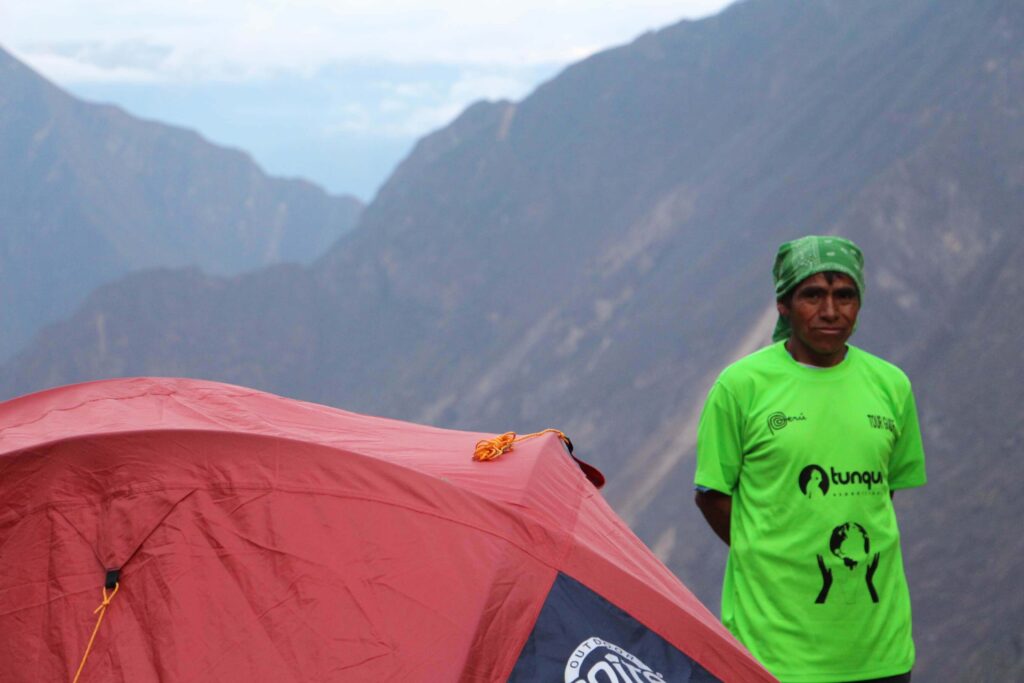
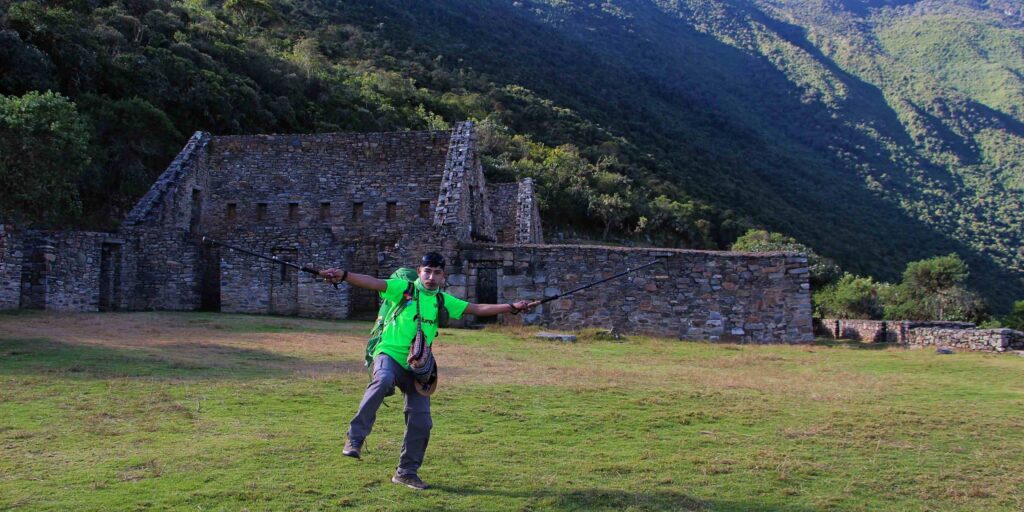
The Choquequirao Trek is a multi-day hiking route in southern Peru that leads adventurers to the remote Inca archaeological site of Choquequirao, often referred to as the “Cradle of Gold” or the “sister city of Machu Picchu.” Unlike the famous Inca Trail, this route remains largely untouched by mass tourism, giving hikers a rare chance to explore expansive Inca terraces, temples, storehouses, and ceremonial plazas surrounded by dramatic Andean scenery.
The trek typically takes 4 to 8 days, depending on the route, and involves steep ascents and descents through the stunning Apurímac Canyon, one of the deepest canyons in the world. Because of its remote location, Choquequirao is only accessible by foot, making the journey part of the adventure itself. Hikers can expect breathtaking landscapes, encounters with local wildlife, and a deep connection to the ancient Inca world—all without the crowds found at other tourist sites.
This trek is perfect for travelers seeking a challenging, quieter, and truly immersive hiking experience in Peru.
The Choquequirao Trek is one of Peru’s most rewarding hiking experiences—ideal for travelers seeking adventure, solitude, and cultural immersion. Unlike the Inca Trail or Machu Picchu, Choquequirao receives only a fraction of the visitors, giving hikers a rare opportunity to explore one of the most impressive Inca sites without crowds. This makes the trek feel authentic, intimate, and deeply connected to nature.
Hikers are drawn to Choquequirao for its combination of dramatic landscapes, including towering glaciers, lush cloud forests, and the immense Apurímac Canyon, one of the deepest in the world. The trail is challenging but incredibly scenic, offering panoramic viewpoints, condor sightings, and remote Andean communities that preserve traditional lifestyles.
For history lovers, Choquequirao offers an unmatched exploration of Inca engineering and architecture. Much of the site remains partially excavated, giving visitors the feeling of discovering a hidden city frozen in time. It’s a destination for those who want more than a hike—it’s a journey into Peru’s ancient past.
Whether you’re searching for a demanding physical challenge, a remote archaeological wonder, or a deeply immersive cultural journey, the Choquequirao Trek offers an adventure unlike anything else in Peru. Its dramatic landscapes, massive Inca terraces, and crowd-free pathways create an experience that feels both epic and intimate—one that many travelers describe as life-changing.
Widely recognized as one of the best hikes in South America, the Choquequirao Trek has even been highlighted by National Geographic as one of the most spectacular and rewarding treks for explorers seeking true wilderness, authentic history, and off-the-beaten-path discovery. It’s a rare opportunity to witness an Inca citadel three times larger than Machu Picchu—without the crowds—and to connect with the Andes in its purest form.
Read the National Geographic feature here: These remote Inca ruins rival Machu Picchu
For hikers seeking authenticity, solitude, wilderness, and deep cultural heritage, Choquequirao delivers an experience that rewards every step—a true Inca treasure waiting to be explored.
Choquequirao is located in the Vilcabamba Mountain Range of southern Peru, perched high above the dramatic Apurímac Canyon, one of the deepest canyons in the world. Geographically, the site sits between the regions of Cusco and Apurímac, about 100 miles (160 km) southwest of the city of Cusco, the main gateway for travelers visiting the Andes.
Unlike Machu Picchu, Choquequirao is not accessible by road or train—the only way to reach it is by hiking. The official trailhead begins in the small village of Capuliyoc, which is a scenic 4-hour drive from Cusco. From there, trekkers descend into the canyon and climb back up the opposite side to reach the archaeological complex, which sits at an elevation of about 3,050 meters (10,007 ft).
This remote location is exactly what makes the Choquequirao Trek so special. Because it can only be reached on foot, the ruins remain peaceful, uncrowded, and surrounded by untouched Andean landscapes—ideal for hikers seeking a true adventure off the beaten path.
The Choquequirao Trek is one of the most extraordinary adventures in Peru—perfect for travelers seeking a truly authentic experience far away from crowds and modern distractions. Unlike Machu Picchu, which welcomes thousands of visitors every day, Choquequirao receives only a handful of hikers, allowing you to explore the ruins in complete peace. And with an archaeological complex three times larger than Machu Picchu, it offers endless terraces, temples, and viewpoints to discover at your own pace.
This trek is designed for those who want a real challenge—steep climbs, long trails, and the satisfaction of reaching a place that only the most determined hikers ever see. Deep in the Vilcabamba mountains, far from any city, you’ll camp under the stars, wake up to the first light glowing over the Apurímac Canyon, and feel the pure silence of the Andes surrounding you.
Every step of the way rewards you with breathtaking scenery: rugged peaks, cloud forests, condor-filled skies, and ancient Inca engineering carved into the cliffs. It’s more than a trek—it’s a journey into living history.
And when you choose an expert, trusted operator like Tunqui Expeditions, you experience Choquequirao with the highest level of safety, comfort, and cultural insight. Their local guides know the mountains, the stories, and the hidden corners of the trail—ensuring that your adventure is not only unforgettable, but truly meaningful.
The Choquequirao Trek isn’t just a hike…
It’s a challenge, a discovery, and an experience you’ll carry for the rest of your life.
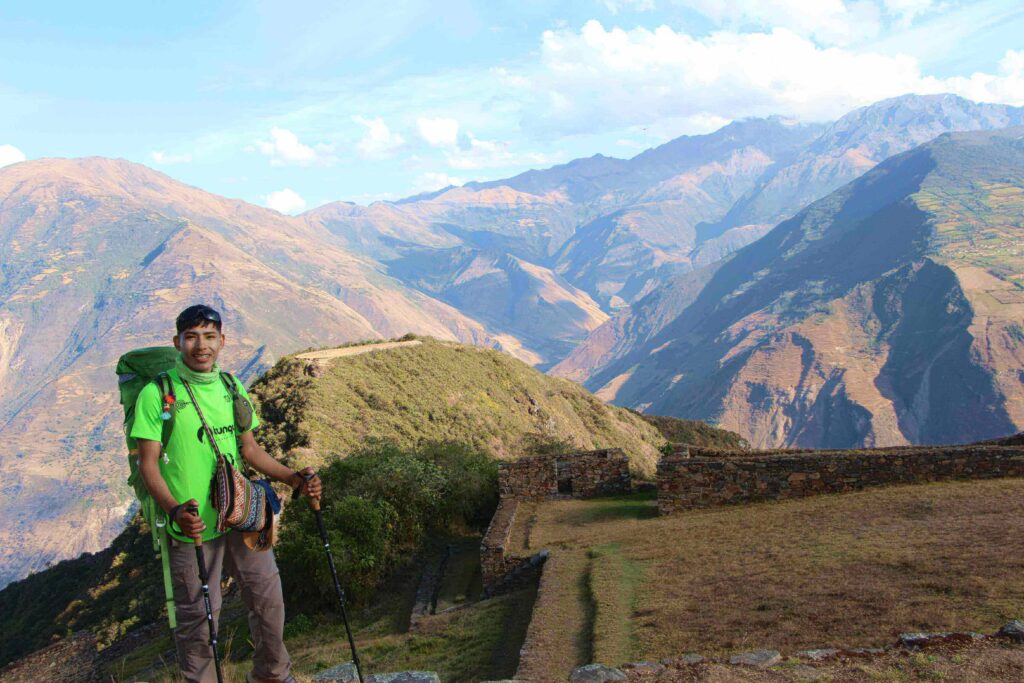
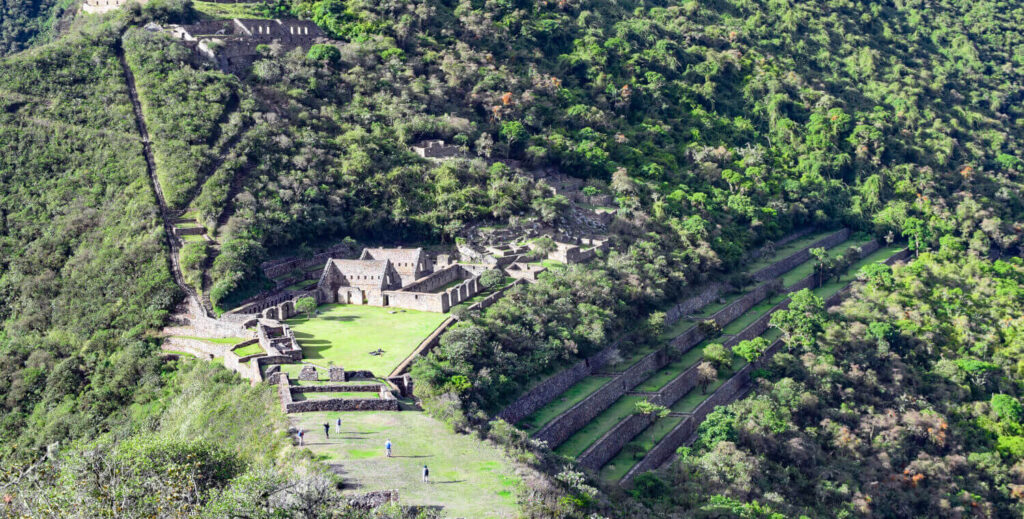
The Choquequirao Trek is considered challenging to very challenging, making it best suited for hikers with good physical fitness and previous trekking experience. What sets this route apart is not its altitude alone, but the steep and continuous elevation changes on both the descent into and the ascent out of the Apurímac Canyon.
Here are the main factors that contribute to the trek’s difficulty:
Hikers typically descend more than 1,500 meters (4,900 ft) into the canyon and then climb back up the same amount to reach the ruins. These steep sections can be demanding on the knees and require strong endurance.
Most itineraries involve 6–10 hours of trekking per day, depending on the route and pace. Trails can be rocky, dusty, and exposed to the sun, especially during the dry season.
Choquequirao sits at about 3,050 meters (10,007 ft). While this is lower than some high Andean passes, the altitude can still affect breathing and energy levels. Spending a couple of days acclimatizing in Cusco is strongly recommended.
Because the trail is less developed, hikers need to be prepared for rustic campsites, limited amenities, and rapidly changing weather. This remoteness is part of the trek’s charm but also adds to the challenge.
Good cardiovascular fitness, stable knees, and strong legs are essential. Trekking poles are highly recommended to help with balance and impact on steep sections.
The Choquequirao Trek is perfect for adventurous travelers seeking a remote, uncrowded, and physically demanding experience. It’s ideal for hikers who appreciate solitude, dramatic mountain landscapes, and the reward of reaching a magnificent Inca site that few visitors ever see.
The best time to hike the Choquequirao Trek is during Peru’s dry season, which runs from May to September. These months offer the most stable weather conditions, clearer skies, and safer trail conditions—important factors for a challenging trek like Choquequirao. Here’s a breakdown of what to expect throughout the year. Read more here: Choquequirao Weather Guide
If you want the most comfortable hiking conditions and sweeping mountain views, this is the time to go.
These months can be a sweet spot for hikers wanting a balance of good weather and fewer people.
However, if you’re an experienced hiker and want solitude, it’s still possible with proper gear and a guided tour—just expect challenging conditions.
The Choquequirao Trek can be completed in several variations, but the most popular and traditional routes are the 4-day and 5-day itineraries. Both offer a challenging yet rewarding adventure through the Apurímac Canyon to reach the magnificent Inca citadel. Below is an overview of each itinerary so you can choose the one that fits your pace, experience, and travel style.
4-Day vs. 5-Day Choquequirao Trek — Comparison Table
| Feature | 4-Day Trek (Classic Express) | 5-Day Trek (Classic Standard) |
|---|---|---|
| Ideal For | Experienced, fast-paced hikers | Travelers wanting a moderate pace |
| Total Hiking Hours per Day | 7–10 hours | 5–7 hours |
| Difficulty Level | Very challenging | Challenging |
| Time at Choquequirao Ruins | Half day | Full day |
| Camping Near the Ruins | No (usually same-day return) | Yes (one night near ruins) |
| Main Advantage | Faster and more adventurous | More comfortable, less rushed |
| Key Sections | Capuliyoc, Chiquisqa, Marampata, Choquequirao | Capuliyoc, Chiquisqa, Marampata, Choquequirao basecamp |
| Best For | Fit hikers with limited time | Most travelers seeking a balanced trek |
| Recommended? | Only for very fit hikers | Yes — most popular option |
Choquequirao Trek To Machu Picchu 7 Days: This longer version includes extra time at the ruins and more relaxed hiking days. It’s ideal for travelers who want a deeper immersion in nature and archaeology without the intense daily pace.
Highlights include:
Choquequirao Trek To Machu Picchu 8 Days: This is one of the most spectacular long-distance routes in Peru, connecting Choquequirao with Machu Picchu.
Highlights include:
The Choquequirao Vilcabamba Trek 9D/8N is an epic multi-day adventure that takes hikers through some of the most remote and historically significant regions of the former Inca Empire. This route connects the lost city of Choquequirao with the legendary Vilcabamba, the last refuge of the Incas after the Spanish conquest.
This trek is designed for adventurous travelers who want to venture deeper into the historical and natural heart of the Andes, following the path of the last Inca resistance.
A Faster, Scenic, and Immersive Way to Reach Choquequirao
The Santa Teresa – Yanama – San Juan Pass – Choquequirao 4-Day Trek is a brand-new and exclusive route offered by Tunqui Expeditions, designed for travelers who want to experience Choquequirao with minimal trekking time while still enjoying the breathtaking landscapes of the Vilcabamba Range.
Unlike the classic Choquequirao Trek, this itinerary includes only one full day of hiking (8 hours) and uses vehicle access to reach the remote village of Yanama, reducing physical demand without sacrificing adventure.
This is an ideal option for travelers who want to explore Choquequirao but prefer a shorter, more comfortable path.
4-Day Itinerary Overview
Your adventure begins with a scenic overland journey from Cusco to Yanama, crossing beautiful Andean valleys, waterfalls, and glacier peaks.
This long but stunning drive provides excellent acclimatization and delivers you directly to the heart of the Vilcabamba Range—one of the most remote regions of the Andes.
Overnight in a comfortable local lodge or campsite in Yanama.
After an early 7:00 AM breakfast, your adventure to Choquequirao begins with a steady ascent from the village of Yanama toward the high Andean lookout of San Juan Pass. This first section takes approximately 1 hour and 30 minutes, climbing gradually through open highlands surrounded by glacier peaks and traditional farming terraces.
Upon reaching Victoria Pass, you are rewarded with incredible panoramic views of the Vilcabamba Mountain Range, one of the most remote and dramatic landscapes in Peru. After a well-deserved break, the trail continues with a short 10-minute descent, easing into a beautiful and surprisingly gentle section of the route.
From here, the path becomes mostly flat, crossing the rolling foothills of the Vilcabamba mountains. This part of the trek offers stunning open views into the deep Colca-like canyon below, along with sweeping vistas of cloud forests, waterfalls, and rugged Andean cliffs. It’s one of the most scenic and peaceful stretches of the entire journey.
As you continue hiking, the trail eventually leads you to the impressive Choquequirao viewpoint, where the first full panoramic view of the Inca citadel appears—an unforgettable moment for any trekker.
From the viewpoint, a 10-minute descent brings you to the designated campsite, where you will spend the night surrounded by the silence of the Andes. After setting up camp and resting briefly, it’s just a 7-minute walk to reach the main sector of Choquequirao for your first guided exploration of the archaeological site.
This unique approach allows you to arrive at the ruins with plenty of daylight, fewer visitors, and time to enjoy the magic of Choquequirao at your own pace.
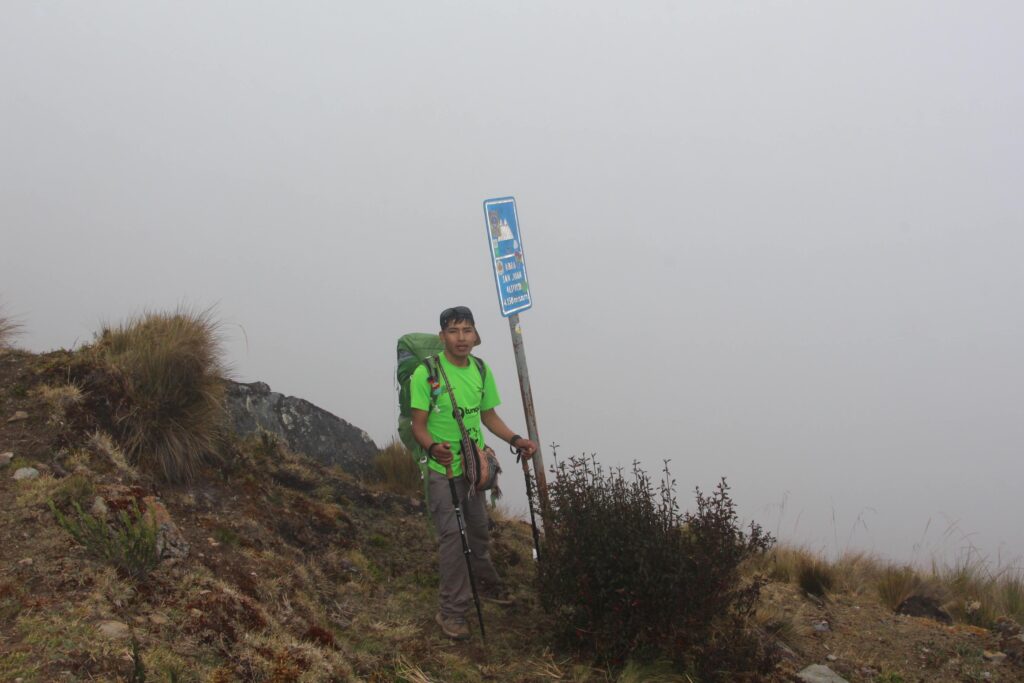
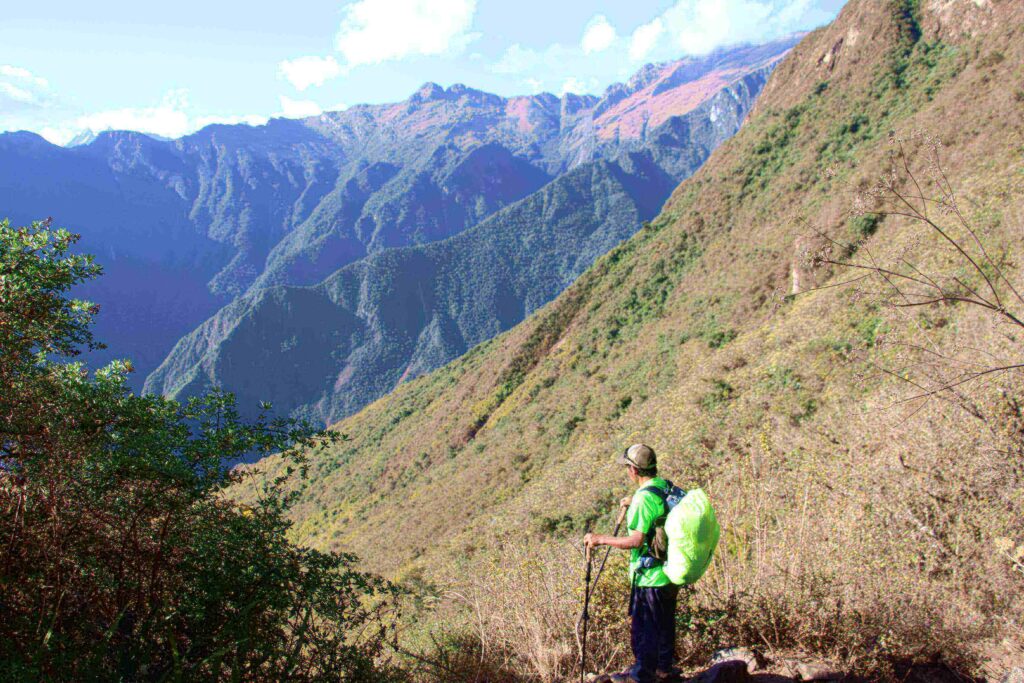
In the morning, you begin the return hike to Yanama, retracing your steps through the peaceful Andean landscape.
This downhill and moderate section allows time to enjoy the scenery, wildlife observations, and photography.
Arrive in Yanama by late afternoon and spend the night in the same lodge/campsite.
After breakfast, board your private transport for the scenic return journey to Cusco, arriving in the late afternoon.
This marks the end of your short yet powerful adventure to one of the most impressive Inca sites in Peru.
Packing smart is essential for the Choquequirao Trek, whether you choose the classic route or the new Tunqui Expeditions itinerary. Because the trail includes steep sections, changing weather, and remote campsites, having the right gear ensures comfort, safety, and a better hiking experience. Here’s a complete packing list to help you prepare. Read more here: Choquequirao Trek Packing List
Choquequirao Trek Packing List — Quick Reference Table
| Category | Recommended Items |
|---|---|
| Clothing | Moisture-wicking shirts, trekking pants, warm fleece or down jacket, waterproof jacket & pants, thermal layers, hiking socks, sun hat, beanie |
| Footwear | Sturdy hiking boots (ankle support), camp shoes or sandals |
| Gear | Trekking poles, 20–30 L daypack, headlamp, reusable water bottles or hydration system (2–3 L), sunglasses, personal first aid kit |
| Camping & Hygiene | Sleeping bag (0°C / 32°F), quick-dry towel, biodegradable soap, wet wipes, hand sanitizer, toilet paper |
| Sun & Insect Protection | High-SPF sunscreen, lip balm with SPF, mosquito repellent |
| Electronics | Power bank, camera, extra batteries, charging cables |
| Extras | Snacks, cash, ID, binoculars (optional), journal, lightweight gloves, gaiters |
The Choquequirao Trek takes place in the high Andes, with elevations ranging from 1,500 m (4,900 ft) in the canyon to 3,050 m (10,007 ft) at the Choquequirao archaeological site. While these elevations are moderate compared to other hikes in Peru, the constant ascents and descents can affect your breathing and energy levels—especially if you’re arriving directly from sea level.
Understanding altitude and preparing properly will make your trek safer, more comfortable, and far more enjoyable
Altitude Considerations & Acclimatization Tips — Professional Quick-Reference Table
| Category | Key Information |
|---|---|
| Elevation Range of the Trek | 1,500 m (4,900 ft) in the canyon to 3,050 m (10,007 ft) at Choquequirao |
| Main Altitude Challenge | Rapid elevation changes from steep ascents and descents; lower oxygen levels at high altitude |
| Common Altitude Symptoms | Headache, nausea, fatigue, dizziness, shortness of breath, difficulty sleeping |
| Recommended Acclimatization Time | 1–2 days in Cusco (3,400 m / 11,152 ft) before starting the trek |
| Hydration Needs | 2–3 liters of water per day; avoid dehydration at altitude |
| Best Practices for Prevention | Walk at a steady pace, eat light meals, avoid alcohol, stay warm, rest when needed |
| Helpful Local Remedies | Coca tea, muña tea, light soups, electrolyte-rich drinks |
| Optional Medication | Acetazolamide (Diamox) — only with prior consultation from your doctor |
| Safety Advice | Listen to your body; inform your guide of symptoms; descend if symptoms worsen |
| Good News | Most travelers acclimatize well with proper preparation and guidance |
The Choquequirao Trek is not only a journey into Inca history—it’s a breathtaking immersion into some of the most diverse ecosystems in the Peruvian Andes. From deep canyons to misty cloud forests and glaciated peaks, the trail offers constantly changing scenery that keeps every day exciting. Wildlife sightings are common, especially in the quieter sections of this remote route.
Andean Condors: The trail is one of the best places to spot Andean condors, the largest flying birds in the Americas. These majestic birds often soar above the canyon walls, especially during early morning hours.
What makes the Choquequirao region truly special is its remoteness. With far fewer visitors than Machu Picchu, the wildlife is more active, the landscapes remain pristine, and the silence of the Andes creates a deeply immersive natural experience.
No matter which route you choose—from the classic trail to the new Yanama–Victoria Pass approach with Tunqui Expeditions—you’ll enjoy landscapes and wildlife encounters that make this trek one of the most rewarding adventures in Peru.
Choquequirao, often called the “Cradle of Gold” or the “sister city of Machu Picchu,” is one of the most important archaeological sites of the Inca civilization. Hidden deep within the Vilcabamba Mountain Range, this remote citadel played a crucial role in the political, cultural, and religious life of the final Inca dynasty.
While only a portion of the site has been excavated, archaeologists believe Choquequirao was a major administrative and ceremonial center, built during the reign of Inca Pachacuti or his son Túpac Inca Yupanqui in the 15th century. Its strategic location overlooking the Apurímac Canyon suggests it served as a gateway between the highlands and the Amazon, controlling trade routes, agricultural terraces, and spiritual pathways.
Choquequirao and Machu Picchu share strong architectural similarities:
This has led many experts to conclude that Choquequirao was purposefully designed as a mirror city to Machu Picchu—important for religious rituals, astronomy, and royal retreats.
After the Spanish invasion, the Incas used Choquequirao as part of their final stronghold during the resistance period. Its isolated location made it a safe refuge for leaders and warriors fleeing Cusco.
From here, they retreated deeper into the Vilcabamba region, where the last Inca capital was established.
This connection marks Choquequirao as a symbol of Inca resilience, independence, and cultural survival.
One of Choquequirao’s most iconic features is the set of white stone llama figures carved into the agricultural terraces. These represent the sacred Inca camelids used for transport, textiles, and offerings, symbolizing prosperity and fertility.
Other terraces were used to grow maize, potatoes, and medicinal plants, showcasing the Incas’ advanced agricultural engineering.
Temples and ceremonial squares were aligned with important astronomical events—such as solstices—highlighting the Incas’ deep connection to the sun, mountains, and stars.
Although the Choquequirao Trek is remote and rugged, hikers can still expect comfortable, well-organized camps and freshly prepared meals—especially when traveling with an experienced operator like Tunqui Expeditions. Here’s what you can expect on the trail.
Camping, Food & Accommodation — Quick Reference Table
| Category | What to Expect |
|---|---|
| Camping Style | Designated campsites with flat areas, scenic views, and access to natural water sources |
| Tents & Gear | High-quality 4-season tents, thick sleeping mats, weather-resistant setups; double occupancy (private tent on request) |
| Toilet Facilities | Mix of campsite toilets and portable eco-friendly toilet systems provided by the trekking team |
| Meals Included | Full board: breakfast, lunch, dinner, snacks, hot drinks |
| Breakfast Examples | Oatmeal, quinoa porridge, pancakes, eggs, bread, fruit, tea/coffee |
| Lunch Examples | Rice/pasta dishes, stir-fried vegetables, chicken or beef, vegetarian options, hearty Andean soups |
| Dinner Examples | Multi-course meals: soups, stews, grilled chicken/trout, vegetarian plates, herbal teas |
| Snacks & Hydration | Daily snacks (nuts, fruit, chocolate, energy bars) + boiled/filtered water available for refills |
| Dietary Options | Vegetarian, vegan, gluten-free, lactose-free, and allergy-friendly meals available upon request |
| New Yanama Route Lodging | Nights 1 & 3: local lodge/homestay with beds and basic bathrooms; Night 2: campsite near Choquequirao |
| Overall Experience | Comfortable, safe, organized trekking experience with delicious meals and scenic campsites |
The Choquequirao Trek is one of the most rewarding hikes in Peru, but it’s also one of the most remote. Choosing between a guided tour or hiking solo depends on your experience, comfort level, and desired adventure style. Below is a detailed comparison to help you decide what’s best for you.
A guided Choquequirao trek offers structure, safety, and support—ideal for most travelers.
Advantages of a Guided Tour
While possible, trekking solo on the Choquequirao route is more challenging and recommended only for experienced hikers.
Advantages of Trekking Solo
Challenges of Going Solo
For most travelers—especially those visiting Peru for the first time—a guided Choquequirao tour with a reputable operator like Tunqui Expeditions is the best and safest option.
The Choquequirao Trek is one of the most rewarding adventures in Peru, but it is also remote, steep, and physically demanding. Preparing properly helps ensure a safe, enjoyable experience. Here are the most important safety tips every hiker should follow before taking on this incredible trail.
The Choquequirao Trek is one of Peru’s most extraordinary hiking adventures—an experience that combines breathtaking landscapes, rich Inca history, challenging terrain, and the rewarding feeling of reaching an archaeological wonder still untouched by mass tourism. Whether you choose the classic routes or the new Yanama–Victoria Pass approach, the trek offers an authentic connection to the Andes that few travelers ever get to experience.
With proper preparation, smart packing, and the support of knowledgeable local guides, Choquequirao becomes more than a hike—it becomes a journey into a living piece of Inca heritage. Its silence, vast terraces, sacred temples, and dramatic canyon views remind every visitor why Choquequirao is often called the “sister city of Machu Picchu.”
For travelers seeking adventure, culture, solitude, and challenge, the Choquequirao Trek is truly one of the best long-distance hikes in South America. And with a trusted operator like Tunqui Expeditions, you can explore this hidden gem safely, comfortably, and with deeper cultural insight.

 Español
  English