 Español
  English

Machu Picchu is one of the most iconic destinations in the world — an ancient Inca citadel hidden high in the cloud forests of the Peruvian Andes. For many travelers, visiting this UNESCO World Heritage Site is more than just a trip; it’s a spiritual journey through history, nature, and adventure .
The most unforgettable way to reach Machu Picchu is by hiking the legendary Inca Trail to Machu Picchu, a network of ancient stone pathways once used by Inca messengers and pilgrims over 500 years ago. These trails wind through breathtaking mountain landscapes, misty jungles, and mysterious archaeological ruins that still whisper stories of the past.
Every year, adventurers from around the world come to walk in the footsteps of the Incas, experiencing firsthand the perfect blend of natural beauty, cultural heritage, and personal achievement that this trail offers.
There are two main routes to choose from — the Classic Inca Trail (4 Days) and the Short Inca Trail (2 Days) or Classic Inca Trail vs Short Inca Trail.
- The Classic Inca Trail is a challenging, multi-day trek that immerses you in the heart of the Andes, passing through several ancient ruins before reaching the legendary Sun Gate (Inti Punku) at sunrise.
- The Short Inca Trail, on the other hand, offers a quicker, more accessible adventure, ideal for travelers who want to experience the magic of the trail without camping or intense hiking days.
Both routes lead to the same breathtaking reward — that first awe-inspiring view of Machu Picchu, rising from the mist like a vision from another world.
At Tunqui Expeditions, we specialize in creating unforgettable trekking experiences along both the Classic and Short Inca Trails. Our expert local guides, quality equipment, and personalized service ensure your journey is safe, comfortable, and deeply enriching. Whether you seek the full challenge of the 4-day trek or the convenience of the 2-day route, we’ll help you make the most of your adventure to Machu Picchu.
Hike the Inca Trail — not just to reach Machu Picchu, but to live the journey of a lifetime.
The Classic Inca Trail: Legendary Trail to Machu Picchu
The Classic 4-Day Inca Trail Trek is the most iconic trekking route to Machu Picchu, offering a 4-day, 3-night adventure through the heart of the Andes. This trail perfectly combines history, breathtaking scenery, and ancient Inca ruins, making it a once-in-a-lifetime experience for adventure seekers.
Throughout the trek, hikers encounter impressive archaeological sites such as Wiñay Wayna, Intipata, and Runkurakay. On the final morning, you’ll reach the Sun Gate (Inti Punku) — the ancient entrance to Machu Picchu — where you’ll witness your first magical view of the Lost City of the Incas. It’s a truly unforgettable moment.
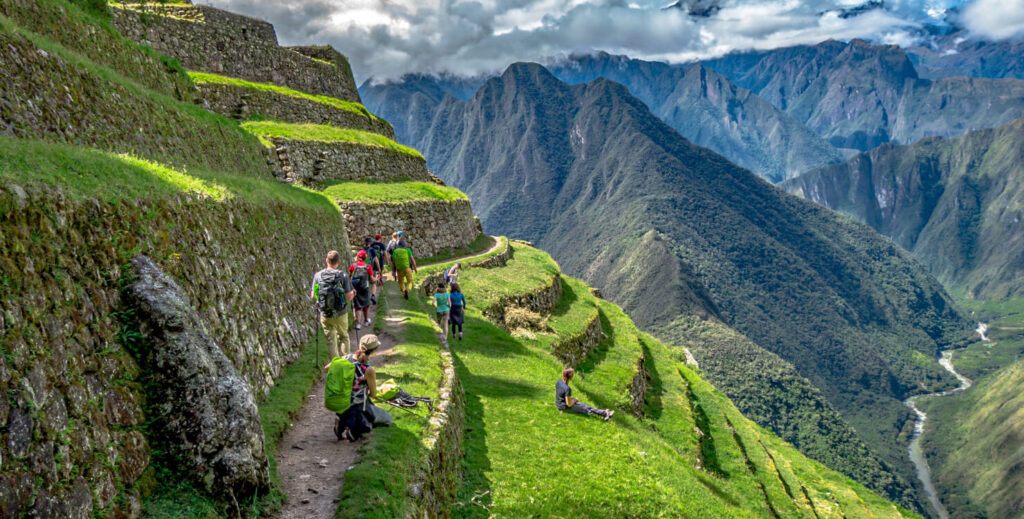
Key Details: Inca Trail 4-Day Trek
| Detail | Description |
|---|---|
| Duration | 4 days / 3 nights |
| Total Distance | 42 km (26 miles) |
| Best Season | April to October (dry season, best weather) |
| Maximum Altitude | 4,215 m (13,828 ft) – Dead Woman’s Pass (Warmiwañusca) |
| Terrain | Mix of dirt, gravel, rocky trails, mountain passes, and ancient stone steps |
| Accommodation | Camping (tents provided by tour operator) |
| Difficulty | Moderate to Challenging — for fit and well-prepared hikers |
| Permits Required | ✅ Yes — Inca Trail permits are limited and must be booked months in advance |
What to Expect on the Classic Inca Trail
The difficulty level is moderate to challenging. Expect to hike 12–16 kilometers per day, often on steep stone steps and mountain paths. Altitude and changing weather can make the trek demanding, but your expert guides will ensure your safety and comfort every step of the way.
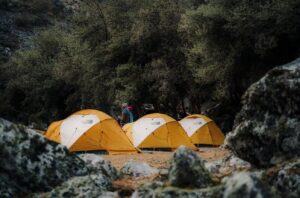
Our tours use high-quality camping equipment, including comfortable tents, warm sleeping bags, and nutritious meals prepared by local chefs. Along the way, your guides share fascinating stories about Inca history, traditions, and culture, making the journey as enriching as it is adventurous.
Archaeological Sites Along the Classic Inca Trail
One of the greatest highlights of the 4-Day Classic Inca Trail to Machu Picchu is the opportunity to explore a series of fascinating Inca archaeological sites along the route. Each ruin tells a unique story of the ancient civilization that once thrived in the heart of the Andes, combining engineering mastery, agricultural innovation, and deep spiritual meaning.
1. Llactapata (also known as Patallacta)
Your first encounter with Inca history begins at Llactapata, an impressive agricultural complex located near the start of the trail. This vast site features terraces, temples, and residences that once supplied food to the region and served as a checkpoint for travelers heading to Machu Picchu. The panoramic views of the valley below make it a stunning introduction to the journey.
2. Runkurakay
Perched high on a mountain pass, Runkurakay is a circular ruin believed to have been a tambo — a resting place or watchtower for Inca messengers (chasquis). Its strategic location offers breathtaking views of the surrounding valleys and demonstrates the Incas’ remarkable ability to adapt architecture to rugged mountain terrain.
3. Sayacmarca
Nicknamed “The Inaccessible Town,” Sayacmarca sits dramatically on a steep mountainside, accessible only by a narrow stone staircase. This ancient settlement includes ceremonial structures, water channels, and stone streets, showcasing the sophistication of Inca urban planning. From here, trekkers often pause to appreciate the sweeping views of the Andes and the cloud forest below.
4. Phuyupatamarca
Known as the “Town in the Clouds,” Phuyupatamarca is one of the most photogenic Inca sites along the trail. Hidden in mist at high altitude, it contains a series of ritual baths and water fountains that are still functional today. The complex is thought to have had religious significance, possibly used for purification ceremonies before approaching Machu Picchu.
5. Intipata
Descending into the lush vegetation of the cloud forest, hikers reach Intipata, an impressive site of agricultural terraces that cascade down the mountainside. These terraces once supplied crops to nearby settlements and offer insight into Inca agricultural engineering. The views from Intipata are breathtaking — especially at sunset.
6. Wiñay Wayna
Perhaps the most beautiful ruin before Machu Picchu, Wiñay Wayna (meaning “Forever Young” in Quechua) combines stunning architecture with natural beauty. Its terraces, temples, and fountains are perfectly preserved, and many travelers consider it the spiritual highlight of the Inca Trail. This site also serves as the final campsite before the last ascent to Machu Picchu.
7. Inti Punku (The Sun Gate)
The journey culminates at Inti Punku, or the Sun Gate, the ceremonial entrance to Machu Picchu. From here, trekkers get their first magical view of the Inca citadel, bathed in morning sunlight — an emotional and unforgettable reward after four days of trekking through history.
The Short Inca Trail: A Great Alternative
If you’re short on time or prefer a less demanding trek, the Short Inca Trail (2 days, 1 night) offers a condensed yet rewarding experience. It begins at Km 104 of the railway and passes through the impressive ruins of Wiñay Wayna before joining the main trail to reach Machu Picchu via the Sun Gate.
This shorter route is ideal for travelers who want to experience the beauty and mystique of the Inca Trail without the full 4-day challenge. You’ll still walk ancient paths, learn from expert guides, and enjoy stunning views of the Andes — all in a single unforgettable day.
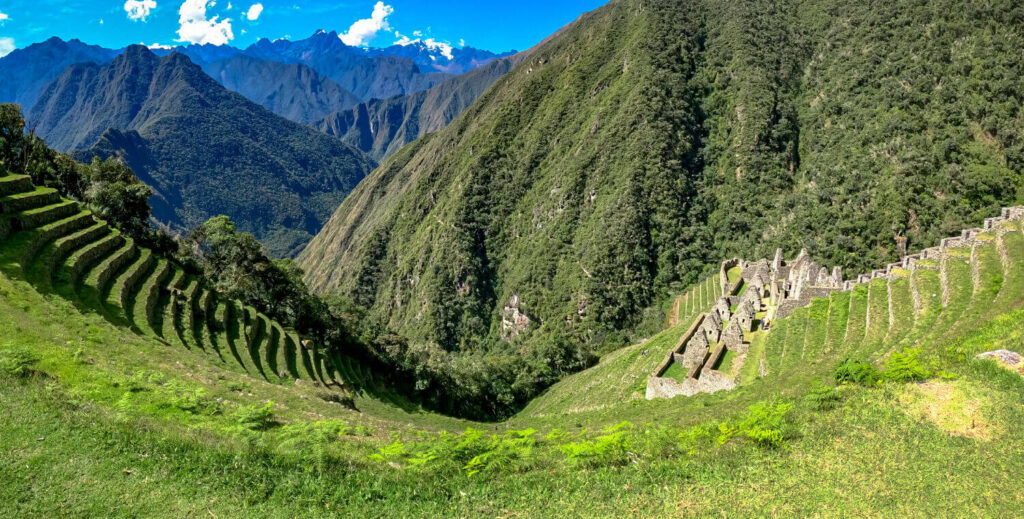
Key Details: Short Inca Trail 2-Day Trek
| Detail | Description |
|---|---|
| Duration | 2 days / 1 night |
| Total Distance | 10 km (6 miles) |
| Best Season | April to October (dry season – best weather conditions) |
| Maximum Altitude | 2,720 m (8,924 ft) at Inti Punku (Sun Gate) |
| Terrain | Well-maintained stone paths, gradual ascents, and scenic forest trails |
| Accommodation | Comfortable hotel stay in Aguas Calientes (no camping required) |
| Difficulty | Easy to Moderate — suitable for beginners and families |
| Main Highlights | Chachabamba, Wiñay Wayna, Inti Punku (Sun Gate), first view of Machu Picchu |
| Permits Required | ✅ Yes — Short Inca Trail permit required (easier availability than 4-day trek) |
| Meals | 1 Breakfast, 1 Lunch, 1 Dinner & Snacks + hotel breakfast |
| Guided Tour of Machu Picchu | Included on Day 2, led by professional licensed guide |
Archaeological Sites Along the Short Inca Trail
The Short Inca Trail to Machu Picchu may only take one or two days to complete, but it still offers hikers the chance to explore some of the most beautiful and historically significant Inca ruins in the region. This route follows the final section of the legendary Classic Inca Trail, giving you a taste of its magic — with less hiking time and no camping required.
Despite being shorter, the trail is packed with fascinating archaeological sites that showcase the genius of Inca engineering and architecture, blending seamlessly with the surrounding cloud forest and mountains.
1. Chachabamba
The adventure begins at Chachabamba, a stunning archaeological site located at Km 104 of the railway to Machu Picchu. This site features a collection of well-preserved stone buildings and ritual baths, believed to have served as a religious and administrative center controlling access to Machu Picchu. The complex sits beside the Urubamba River, surrounded by lush tropical vegetation, making it a perfect introduction to the Inca Trail’s sacred landscape.
Researchers believe Chachabamba was used for ceremonial purification rituals, where travelers would cleanse themselves spiritually before continuing toward the sacred citadel.
2. Wiñay Wayna
A few hours into the trek, hikers reach Wiñay Wayna, one of the most breathtaking archaeological sites in the entire Inca Trail network. The name means “Forever Young” in Quechua, symbolizing eternal life. This impressive complex features steep agricultural terraces, a series of ceremonial fountains, and finely crafted temples — all clinging to a dramatic mountainside overlooking the Urubamba Valley.
Wiñay Wayna is a true masterpiece of Inca design and spiritual architecture, and many travelers describe it as the emotional highlight of the Short Inca Trail. It’s also the last major site before reaching the final gateway to Machu Picchu.
3. Inti Punku (The Sun Gate)
The final archaeological site on the Short Inca Trail is Inti Punku, or the Sun Gate, the original ceremonial entrance to Machu Picchu. After an uphill climb from Wiñay Wayna, trekkers arrive at this ancient stone gateway just in time to witness their first panoramic view of Machu Picchu, often illuminated by the morning sunlight.
In Inca times, this gate likely served as a spiritual checkpoint where pilgrims offered thanks to the Sun God (Inti) before entering the sacred city. Today, reaching Inti Punku remains one of the most inspiring moments of the entire trek — a perfect culmination of history, nature, and personal achievement.
A Journey Through Living History
Although shorter in distance, the Short Inca Trail captures the essence of the Inca civilization. From the ceremonial baths of Chachabamba to the breathtaking terraces of Wiñay Wayna, and finally the iconic Sun Gate overlooking Machu Picchu, every step connects you to the same sacred path walked by ancient pilgrims centuries ago.
It’s an unforgettable journey — ideal for travelers who want to experience authentic Inca heritage in a single, action-packed day of trekking.
2 Day or 4 Day Inca Trail: Which Is Worth the Hike?
Choosing between the Classic 4-Day Inca Trail and the Short 2-Day Inca Trail can feel like a tough decision — both lead to the majestic Machu Picchu, both follow ancient stone paths built by the Incas, and both promise an unforgettable adventure through the Peruvian Andes. The real question is: which experience fits your travel style and spirit of adventure?
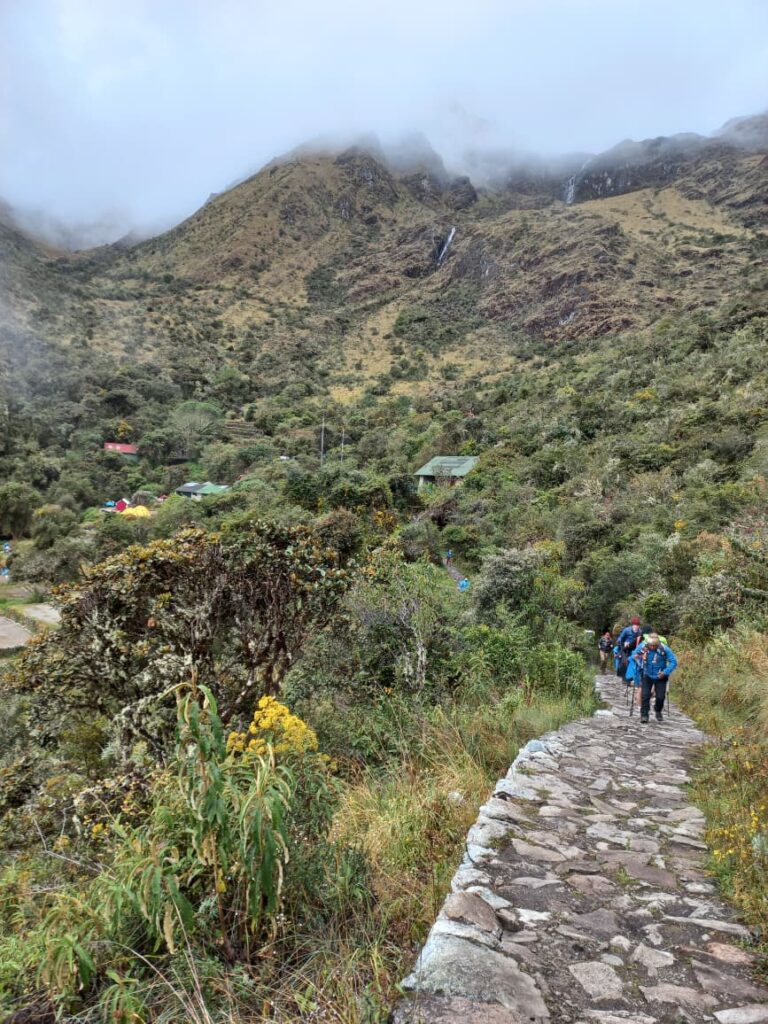
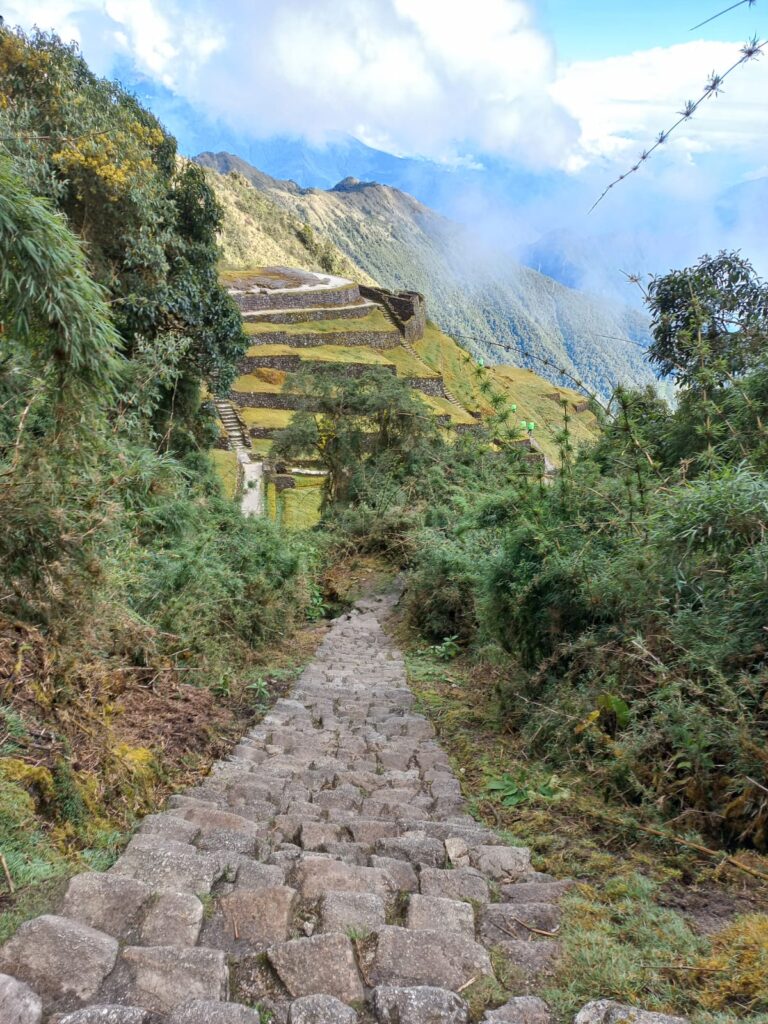
The Classic 4-Day Inca Trail: The Full Legendary Experience
If you dream of immersing yourself completely in history, nature, and adventure, the 4-Day Inca Trail is the ultimate journey.
Over four unforgettable days, you’ll hike through diverse ecosystems — from mountain passes over 4,000 meters high to lush cloud forests filled with orchids and hummingbirds. You’ll explore seven Inca archaeological sites, including Runkurakay, Sayacmarca, Phuyupatamarca, and Wiñay Wayna — ancient treasures that bring the Inca civilization to life.
Evenings are spent at high-Andean campsites, where you can enjoy warm meals prepared by trekking chefs under a sky full of stars. The sense of accomplishment when you finally reach Inti Punku (the Sun Gate) and see Machu Picchu for the first time is indescribable — a powerful reward for your effort and endurance.
- Best for: Adventurers, experienced hikers, and those who want to live the complete Inca Trail journey.
- Highlights: Multiple ruins, diverse landscapes, camping experience, deep cultural immersion.
The Short 2-Day Inca Trail: A Perfect Taste of the Andes
If your time is limited — or you prefer a less physically demanding trek — the 2-Day Inca Trail offers the best of the Inca world in a shorter, more accessible format.
This route starts at Km 104 of the railway and takes you directly to Chachabamba, Wiñay Wayna, and finally to Inti Punku, where you’ll enjoy your first stunning view of Machu Picchu. Afterward, you’ll spend the night in a comfortable hotel in Aguas Calientes, ready to explore the citadel the next morning.
It’s a condensed yet incredibly rewarding adventure, perfect for families, couples, or travelers who want to experience the magic of the Inca Trail without camping or long days of hiking.
- Best for: Travelers with limited time, families, and those who prefer comfort.
- Highlights: Shorter hike, scenic route, key Inca ruins, hotel stay, guided Machu Picchu tour.
So… Which Inca Trail Is Worth the Hike?
In truth, both routes are absolutely worth it — it just depends on what kind of adventure you’re looking for.
- Choose the 4-Day Classic Inca Trail if you want the authentic, full spiritual journey, sleeping under the stars and walking in the footsteps of ancient messengers.
- Choose the 2-Day Short Inca Trail if you want a lighter, yet equally magical experience — ideal when time or fitness is limited but your curiosity is boundless.
No matter which you choose, the reward is the same: standing before Machu Picchu, one of the New Seven Wonders of the World, feeling the power of history, nature, and human ingenuity converge in a single moment.
Inca Trail Alternative Routes to Machu Picchu
While the Inca Trail is the most famous route to Machu Picchu, it’s not the only way to reach the legendary Inca citadel. Peru is full of breathtaking alternative treks that offer equally stunning scenery, authentic cultural encounters, and a true sense of adventure — often with fewer crowds.
At Tunqui Expeditions, we specialize in several Inca Trail alternative routes, each designed to give you a unique perspective of the Andes, the local communities, and the legacy of the Inca Empire.
Salkantay Trek to Machu Picchu (5 Days)
The Salkantay Trek is one of the most popular alternatives to the Inca Trail — and for good reason. Named after the majestic Salkantay Mountain (6,271 m), this trek combines dramatic high-Andean landscapes, turquoise glacial lakes, tropical forests, and Inca ruins along the way.
Unlike the Inca Trail, no permit is required, and you’ll experience greater freedom and fewer crowds. Each day offers new scenery, from snow-capped peaks to coffee plantations, ending with an unforgettable arrival at Machu Picchu.
Perfect for adventurers seeking challenge, variety, and spectacular natural beauty.
Lares Trek to Machu Picchu (4 Days)
The Lares Trek is a cultural journey through the heart of the Andes. This route takes you through traditional Quechua villages, where local families still live as their ancestors did centuries ago — herding llamas, weaving alpaca textiles, and speaking the ancient Inca language.
You’ll cross beautiful valleys, visit natural hot springs, and connect with the authentic spirit of Andean life. The trek concludes with a scenic train ride and a guided visit to Machu Picchu.
Ideal for travelers interested in cultural immersion, gentle trekking, and stunning mountain scenery.
Choquequirao Trek (4–9 Days)
Often called the “sister city of Machu Picchu,” Choquequirao is one of Peru’s most remote and impressive archaeological sites. Hidden deep in the Apurímac Canyon, this trek offers raw adventure and archaeological discovery for those seeking solitude and challenge.
The 4-Day Choquequirao Trek takes you through rugged terrain and breathtaking viewpoints before reaching the ancient ruins of Choquequirao, a vast site still being excavated today. For ultimate explorers, an extended version connects Choquequirao directly to Machu Picchu — a truly epic Andean expedition.
Perfect for experienced hikers and history enthusiasts craving an off-the-beaten-path adventure.
Inca Quarry Trail (3–4 Days)
The Inca Quarry Trail is a hidden gem among Machu Picchu treks. This lesser-known route follows ancient Inca roads leading to the Sun Gate of Ollantaytambo, passing impressive quarries where massive stones were once carved for Inca temples.
Along the way, you’ll encounter small Andean communities, beautiful waterfalls, and archaeological sites such as Perolniyoc, all before taking the train to Machu Picchu.
Best for travelers who want a peaceful hike filled with history, local culture, and scenic beauty — without the crowds or permit restrictions.
Which Alternative Trek Is Right for You?
Each of these routes offers something different — from the adrenaline and glaciers of Salkantay, to the authentic villages of Lares, the mystery of Choquequirao, and the hidden history of the Inca Quarry Trail.
Whichever you choose, Tunqui Expeditions guarantees a safe, guided, and unforgettable experience — blending authentic Andean culture, breathtaking nature, and expert service on every step of your journey to Machu Picchu.
Adventure your way — discover Machu Picchu beyond the classic Inca Trail.