 Español
  English

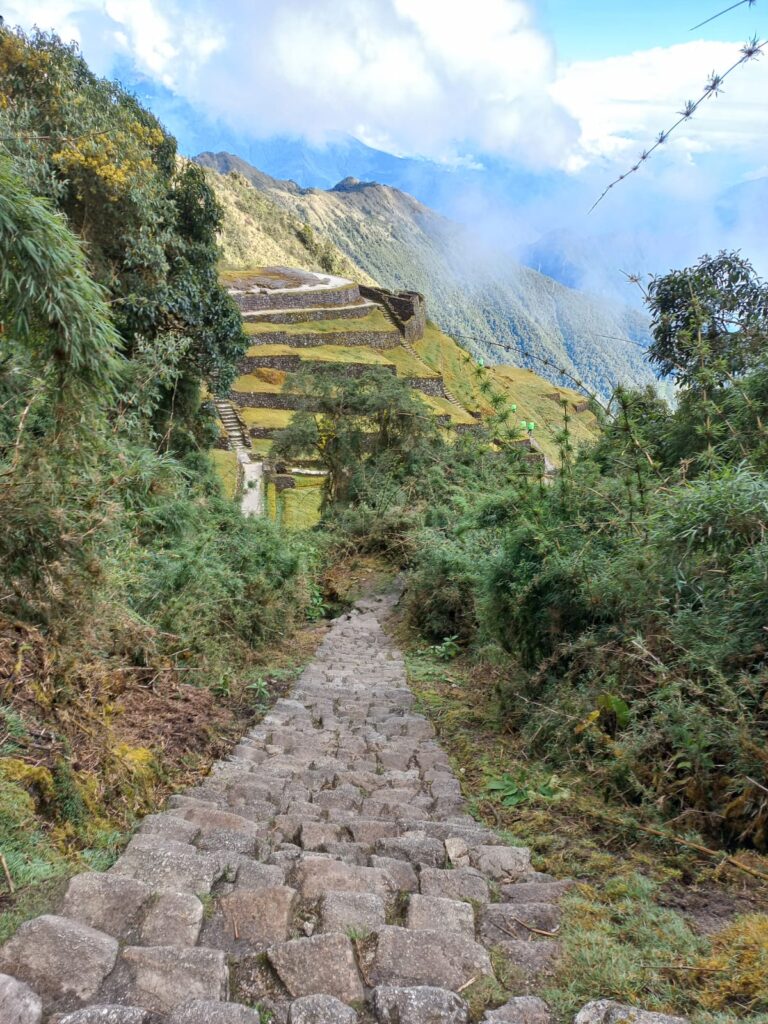
If you’re thinking about hiking the Inca Trail in February, it’s important to know that this month is very different from the rest of the year. February marks the peak of the rainy season in the Peruvian Andes, bringing heavy downpours, slippery trails, and occasional landslides. For this reason, the Classic Inca Trail and Short Inca Trail route is officially closed throughout February each year for maintenance, preservation, and traveler safety.
But don’t worry — Machu Picchu remains open, and there are several incredible alternative treks available during this time. Routes like the Salkantay Trek, Lares Trek, Ausangate Trek, Choquequirao Trek and Inca Jungle Trail stay open year-round and offer stunning views of the Andes, lush valleys, and Incan ruins without the crowds.
February can still be a beautiful month to explore Cusco and the Sacred Valley, as the rain brings out vibrant green scenery and fewer tourists. Plus, it’s a great time to experience local festivals, such as the colorful Carnival celebrations, which fill Cusco’s streets with music, dance, and Andean traditions.
In short, while the Inca Trail itself is closed in February, you can still enjoy Peru’s trekking adventures and cultural experiences — just in a slightly different way.
Why the Inca Trail Is Closed During February
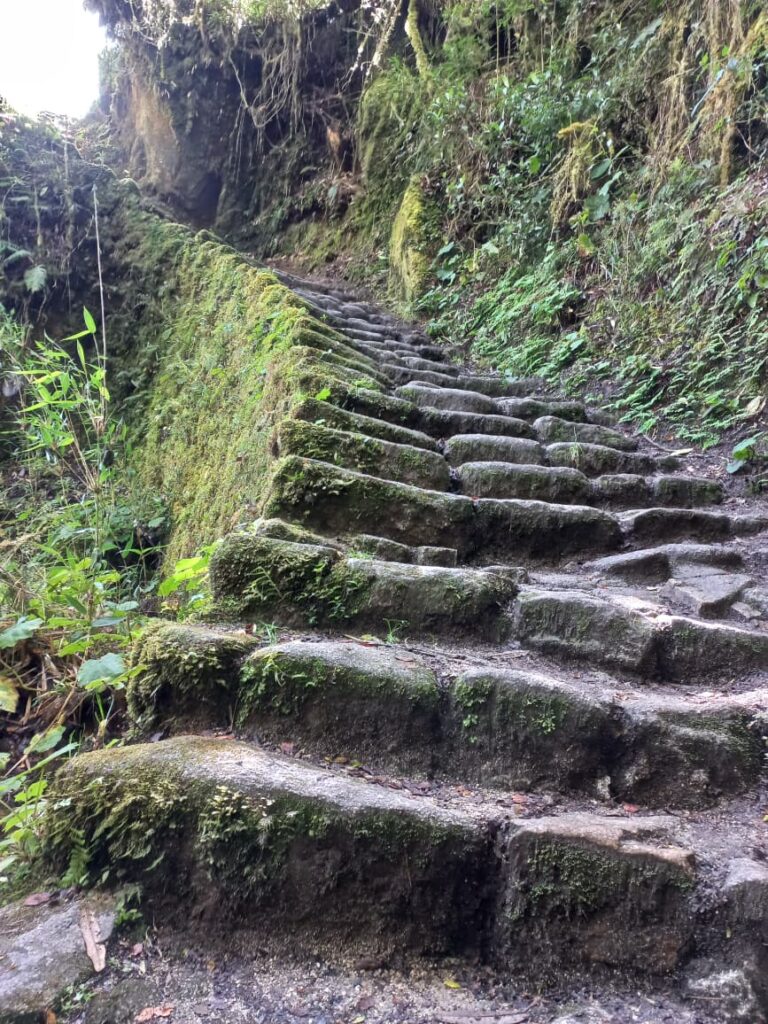
The Inca Trail is closed every February due to heavy rainfall and essential maintenance work. February is the wettest month of the year in the Andes, and the constant rain creates unsafe trail conditions, increasing the risk of rockslides, erosion, and accidents along the steep, narrow paths.
This annual closure is not just about weather — it’s also a vital period for conservation and repairs. During February, park authorities and maintenance teams carry out trail restoration, terrace repairs, campsite cleaning, and vegetation control. These efforts help preserve the ancient Inca infrastructure and ensure the safety of future hikers.
By temporarily closing the trail, Peru’s tourism authorities protect visitors, guides, porters, and the environment, ensuring that when the Inca Trail reopens in March, it’s both safe and sustainable for everyone.
Best Time of Year to Trek the Inca Trail
The Inca Trail is open year-round, except during February, when it closes for maintenance and safety due to heavy rains. The best time to hike the Inca Trail largely depends on what you value most — good weather, fewer crowds, or lush scenery.
Dry Season (May to September) — The Most Popular Time
From May through September, the Andes experience clear skies, minimal rain, and excellent visibility. This is the peak trekking season, offering the best conditions for hiking and photography. However, it’s also when the trail is most crowded and permits sell out fast (often months in advance). Temperatures are cool, especially at night, but the trade-off is breathtaking views and a comfortable hike.
Shoulder Seasons (March–April & October–November) — Balanced Conditions
These months are often considered the best compromise. You’ll enjoy milder weather, fewer tourists, and greener landscapes without the intense rains of January or February. The trail feels alive, yet not overcrowded — perfect for travelers who prefer balance between comfort and authenticity.
Rainy Season (December–January) — Quiet and Green
December and January mark the wettest months, with frequent rainfall and slippery trails, but also lush, vibrant landscapes and far fewer crowds. For those seeking solitude, photography opportunities, and lower prices, this season can be surprisingly rewarding — as long as you’re well-prepared for the weather.
Alternative Treks to the Inca Trail in January
Because the Inca Trail can be wet and crowded in January, many travelers choose alternative treks that remain open year-round and offer equally stunning Andean scenery — often with fewer tourists and a more authentic experience.
- Salkantay Trek: A high-altitude, scenic route that passes glaciers, turquoise lakes, and tropical valleys before reaching Machu Picchu. Less regulated than the Inca Trail, it’s ideal for those seeking a mix of challenge and beauty. January rains can make it muddy, but the landscapes are breathtakingly green.
- Lares Trek: Known as the “Cultural Route,” this trek takes you through remote Andean villages, where you can meet local Quechua families and see traditional weaving. With moderate difficulty and fewer crowds, it’s perfect for travelers wanting both hiking and cultural immersion.
- Ausangate Trek: Best for experienced trekkers, this route circles the sacred Ausangate Mountain (6,384 m). Expect colorful Rainbow Mountains, glaciers, and high-altitude lagoons. January conditions can be harsh, but tours still run for those prepared for cold and unpredictable weather.
- Choquequirao Trek: Often called the “sister city of Machu Picchu,” this hidden Inca site is far less visited and twice as large. The trek is challenging, but the reward is huge: solitude, ancient ruins, and dramatic canyon views. Trails can be slippery in January, but crowd-free.
Explore more Machu Picchu trekking packages: Best Alternative Treks & Tours in January
The Inca Trail Month by Month — What to Expect All Year Round
The Inca Trail to Machu Picchu is a bucket-list trek that offers something special every month of the year. From the dry, sunny days of June to the lush green valleys of December, each season reveals a different side of the Andes.
Here’s a month-by-month guide to help you choose the best time to hike — and plan your adventure with the trusted local experts at Tunqui Expeditions.
- January – Green and Rainy Adventures: Learn more about the Inca Trail in January
- February – Trail Maintenance Month: See alternative treks for February
- March – The Season Reawakens: Discover the Inca Trail in March
- April – Perfect Balance of Sun and Greenery: Read about the Inca Trail in April
- May – The Start of the Dry Season: Explore the Inca Trail in May
- June – Peak Season and Festivities: Hike the Inca Trail in June
- July – Prime Trekking Conditions: Experience the Inca Trail in July
- August – Ideal for Adventure Seekers: See why August is great for the Trek Inca Trail in August
- September – The Shoulder Season Sweet Spot: Learn about the Inca Trail in September
- October – Mild Weather and Fewer Crowds: Discover the Inca Trail in October
- November – Quiet, Lush, and Rewarding: Read about the Inca Trail in November
- December – Lush, Peaceful, and Magical: Explore the Inca Trail in December
No matter when you go, the Inca Trail offers a once-in-a-lifetime adventure. Each month brings its own character — from the crystal-clear skies of June to the emerald valleys of December.
With Tunqui Expeditions, you’ll experience the trail safely and authentically, guided by local experts who know every mountain, ruin, and secret of this sacred route