 Español
  English

The Inca Trail, as its name suggests, is a vast network of stone roads built by the Quechua civilization during the reign of Inca Pachacutec—one of the most powerful and visionary rulers of the Inca Empire. It was under his leadership that the empire reached its greatest expansion across South America.
The word “Inca” referred to the emperor himself, the supreme ruler of the empire. That is why these ancient routes are known as the “Inca Trails” or “Qhapaq Ñan”, which means “The Road of the Lord” in Quechua.
The city of Cusco (Qosqo) was the political, cultural, and spiritual center of the Inca Empire. From the Temple of the Sun (Koricancha), four main roads extended in the directions of the north, south, east, and west, connecting the empire’s vast territories—known as the Four Suyos. Through these routes, the Incas connected the Andes mountains, the coast, and the Amazon rainforest, enabling trade, communication, and imperial control.
As the Quechua culture expanded from Cusco, the Incas built and maintained these main roads, integrating various local ethnic groups and small cultures through both diplomacy and warfare.
The Inca Trail was one of the greatest achievements of Inca Pachacutec, the ninth ruler of the Tahuantinsuyo (Inca Empire). He was a visionary leader and a skilled warrior who reorganized the state, expanded its territory, and encouraged hard work and discipline among his people. During his reign, the Incas built agricultural terraces, temples, royal palaces, and of course, the Inca roads that connected the entire empire.
It was also during Pachacutec’s reign that the famous trail to Machu Picchu was constructed through the Sacred Valley of the Incas. He chose this remote and mountainous area as a royal retreat and spiritual refuge, protected from potential enemies from the coast and other regions.
At the height of its power, the Inca Empire extended across much of western South America, encompassing what is now Peru, Ecuador, Bolivia, Colombia, Chile, and Argentina. This vast expansion was achieved through a combination of military conquest and peaceful assimilation of other cultures.
The Sacred Valley was one of the empire’s most fertile and productive regions, nourished by the Willkamayu (Vilcanota) River. From this valley began one of the principal roads—what today is known as the Classic Inca Trail to Machu Picchu, a four-day trek starting at Piscacucho (Km 82). There is also a shorter two-day route, beginning at Wiñaywayna and entering Machu Picchu through the Sun Gate (Inti Punku).
In conclusion, the Inca Trails were far more than just pathways—they were the lifelines of the Inca Empire. Through these roads, the Incas united mountains, valleys, and jungles, connecting distant cultures across the Andes.
Without these ancient trails, even the Spanish conquistadors would have struggled to explore the region’s rugged mountains and deep valleys.
Today, hiking the Inca Trail to Machu Picchu means walking in the footsteps of a great civilization, feeling the spirit of the Andes, and discovering the living history of the Inca people.
Our expert guides continue to share these ancient stories and legends along the route, keeping the legacy of Inca Pachacutec alive for generations to come.
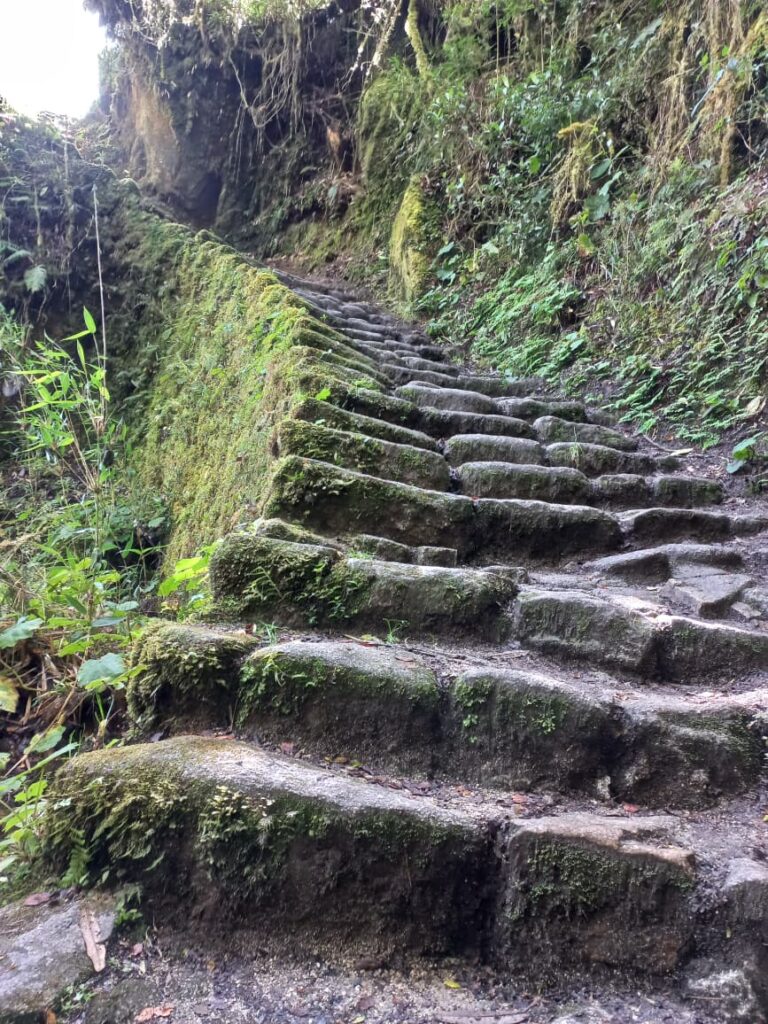
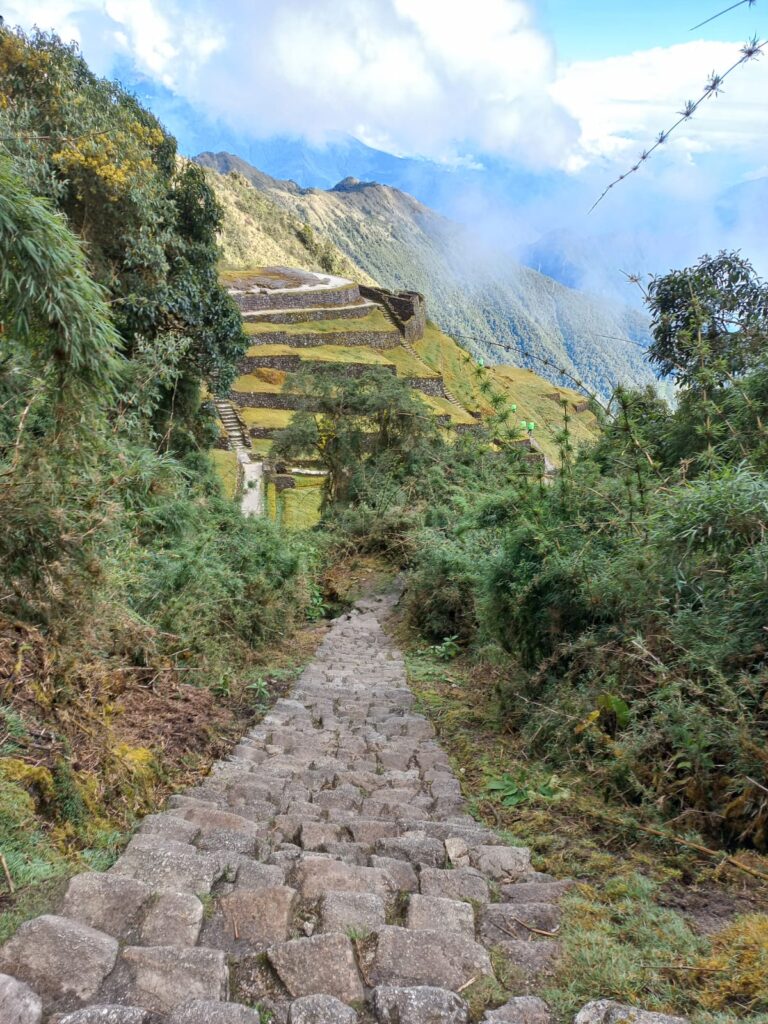
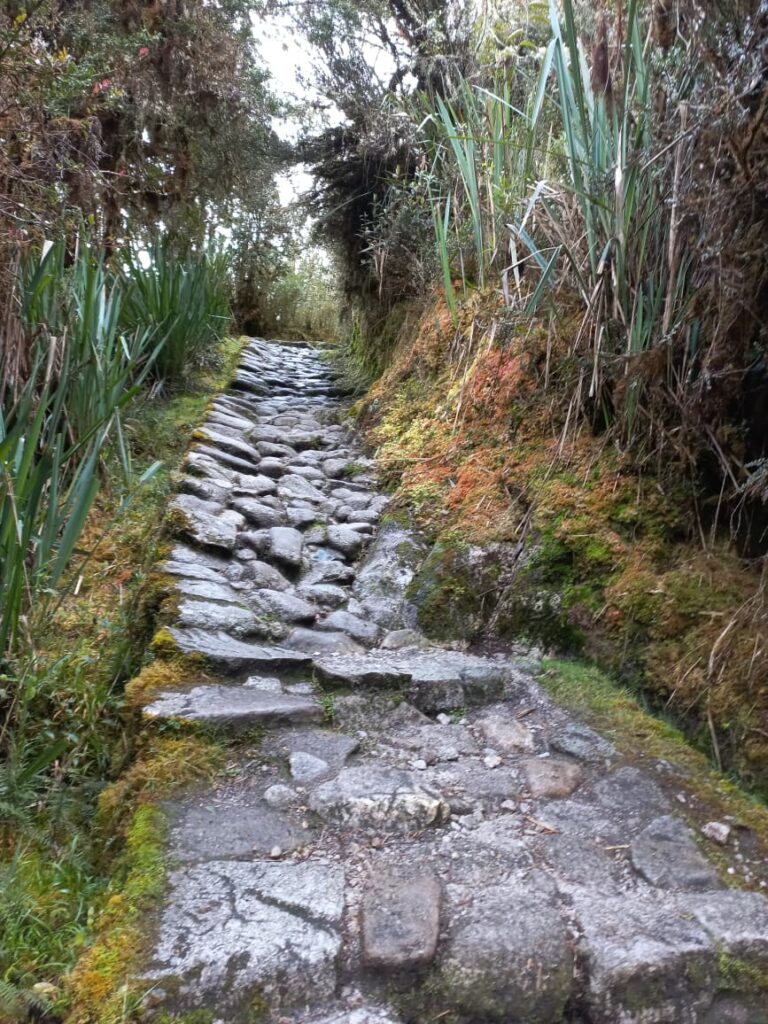
What Is the Inca Trail to Machu Picchu?
The Inca Trail to Machu Picchu is an ancient network of stone pathways built over 500 years ago by the Inca Empire in the Peruvian Andes. Originally part of the vast Qhapaq Ñan (the Great Inca Road System), this historic route connected the city of Cusco—the heart of the Inca civilization—with the sacred citadel of Machu Picchu.
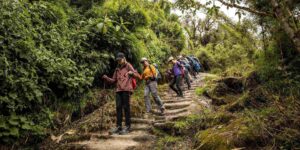
Today, the Inca Trail is one of the world’s most famous trekking routes, attracting travelers from around the globe. The classic 4-day hike passes through breathtaking mountain landscapes, cloud forests, Inca ruins, and ancient stairways, leading adventurers to Machu Picchu’s Sun Gate (Inti Punku) for a stunning sunrise view over the Lost City of the Incas.
More than just a hike, the Inca Trail is a journey through history and culture. Every step reveals remnants of the Inca civilization — from sacred temples and agricultural terraces to stone tunnels and resting sites used by Inca messengers (chasquis).
Because of its cultural and historical importance, the Inca Trail is protected by the Peruvian government and UNESCO as part of the World Heritage-listed Qhapaq Ñan network. Only a limited number of hikers are allowed each day with licensed guides and tour operators, ensuring preservation of this archaeological treasure.
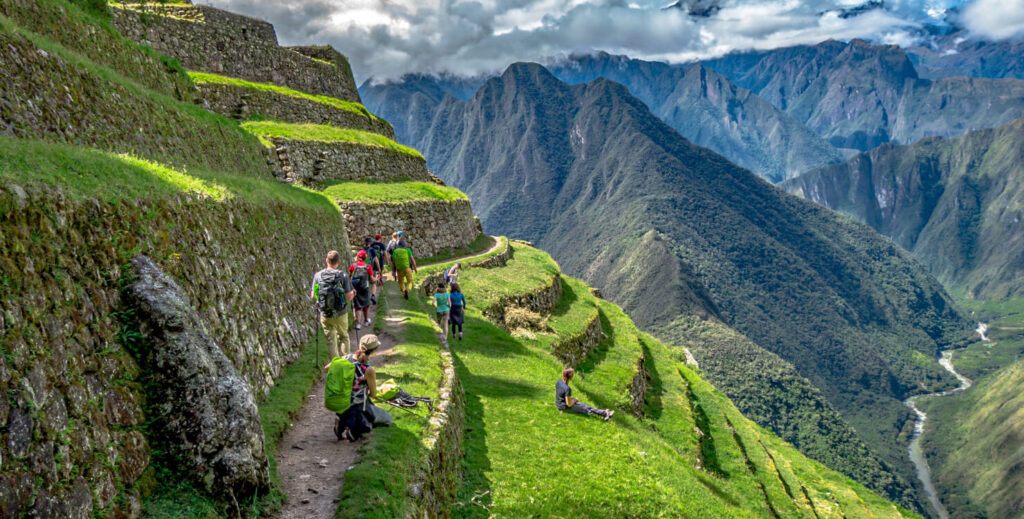
Inca Trail 4 Days vs. 2 Days: Quick Comparison
Classic Inca Trail – 4 Days
The 4-day Inca Trail Trek is the original and most popular trek. It follows the full ancient route used by the Incas, passing several archaeological sites such as Runkurakay, Sayacmarca, Phuyupatamarca, and Wiñay Wayna.
- Duration: 4 days / 3 nights
- Experience: Full cultural and natural immersion
- Difficulty: Moderate to challenging
- Highlight: Arriving at Machu Picchu through the Sun Gate at sunrise
This trek is ideal for travelers seeking the authentic Inca experience, with time to explore the history and beauty of the Andes.
Short Inca Trail – 2 Days
The 2-day Inca Trail Trek offers a shorter, easier version of the classic route. It starts at Km 104, near the Urubamba River, and passes Wiñay Wayna before reaching Machu Picchu in the afternoon.
- Duration: 2 days / 1 night
- Experience: Short hike with Inca ruins and scenic views
- Difficulty: Easy to moderate
- Highlight: Arriving at Machu Picchu the same day through the Sun Gate
Perfect for travelers with limited time who still want to experience the magic of the Inca Trail without the multi-day camping.
In Short:
| Feature | Inca Trail 4 Days | Inca Trail 2 Days |
|---|---|---|
| Duration | 4 days / 3 nights | 2 days / 1 night |
| Distance | ~42 km (26 mi) | ~10 km (6 mi) |
| Difficulty | Moderate – Hard | Easy – Moderate |
| Accommodation | Camping | Hotel |
| Main Highlight | Full Inca sites + Sun Gate sunrise | Wiñay Wayna + Sun Gate same day |
| Ideal for | Adventure & culture lovers | Travelers with limited time |