The Inca Trail is one of the most famous multi-day hikes in the world. This classic Inca Trail trek is a four-day, three-night route that takes adventurers across the rugged landscapes of the Peruvian Andes, culminating at the breathtaking ancient city of Machu Picchu — one of the New Seven Wonders of the World. Whether you choose the 4-day Inca Trail, the shorter 2-day Inca Trail, or a customized Inca Trail tour from Cusco, this iconic route remains the ultimate Machu Picchu hike.
Anyone who has completed the Inca Trail hike will tell you it’s much more than just a trek — it’s a once-in-a-lifetime experience, a journey through history, culture, and nature. Along the way, hikers pass famous landmarks such as Dead Woman’s Pass, Wiñay Wayna, and the Sun Gate (Inti Punku), with stunning views of the Sacred Valley and Andean peaks.
If you’re considering an Inca Trail tour, keep in mind that an official Inca Trail permit is required, and they sell out months in advance. Factors such as Inca Trail weather, elevation, and the trek’s overall difficulty make preparation essential. Many travelers look for tips like the best time to hike, what to expect on the Inca Trail route, and even an Inca Trail packing list to be fully prepared.
Personally, the Inca Trail trek to Machu Picchu surpassed all my expectations. Still, I learned plenty of lessons along the way, from handling altitude sickness to adjusting my pace on steep climbs. So, if you’re planning to hike the Inca Trail to Machu Picchu, here’s everything you need to know — from the Inca Trail itinerary to essential safety advice — to make the most of your adventure in the Peruvian mountains and experience one of the greatest treks on Earth.
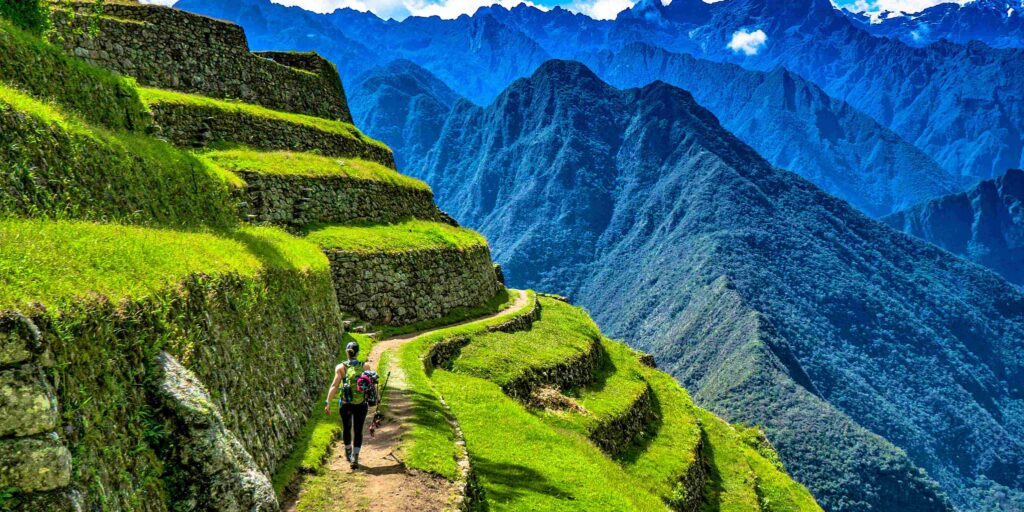
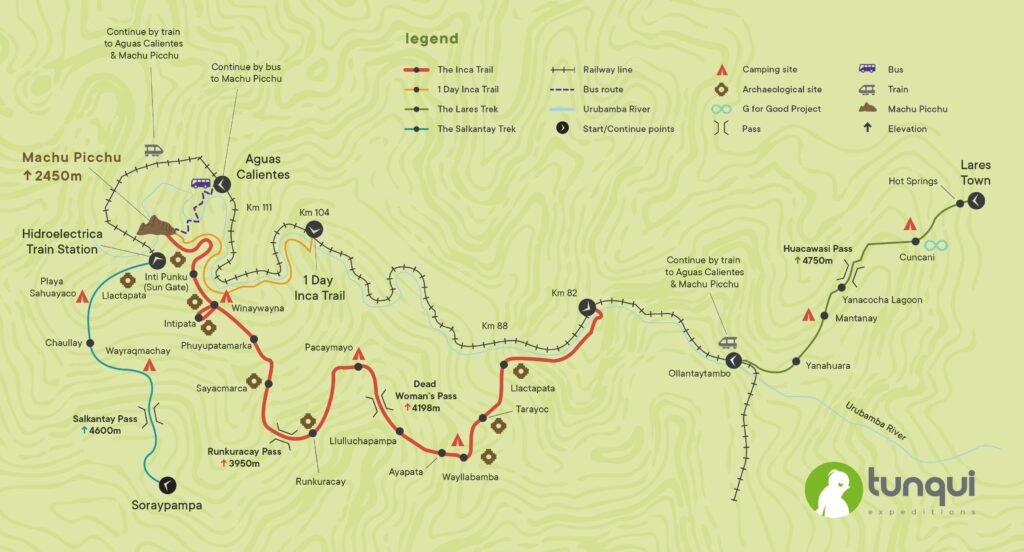
The Classic 4-day Inca Trail trek to Machu Picchu is arguably the most famous hike in all of South America. This Inca Trail route stretches 26 miles (42 kilometers) of pure Andean adventure, weaving through the rugged Peruvian Andes and connecting several incredible Inca ruins: Runcuracay, Sayacmarca, Phuyupatamarca, Wiñay Wayna, and, of course, the magnificent Machu Picchu ruins — one of the New Seven Wonders of the World.
So, what’s the Inca Trail hike difficulty like? The elevation of the Inca Trail reaches over 13,000 feet (4,215 meters) at the infamous Dead Woman’s Pass, which means altitude sickness is a real concern for many hikers. This isn’t just a walk in the park — unless your idea of a park involves ancient stone staircases, breathtaking ridgelines, and cliffside trails that lead you through the heart of the Sacred Valley of the Incas.
The Inca Trail permits are limited to just 500 per day, so booking your Inca Trail tour from Cusco months in advance is a must. Whether you choose the classic 4-day Inca Trail, the shorter 2-day Inca Trail hike, or another Machu Picchu trek alternative, planning ahead is essential. Many travelers prepare with an Inca Trail packing list, read Inca Trail tips, and study the full Inca Trail itinerary before starting their journey.
Along the way, hikers experience the magic of passing through cloud forests, seeing wildlife, and arriving at the legendary Sun Gate (Inti Punku) at sunrise, with the first breathtaking glimpse of Machu Picchu. Add in the combination of history, culture, nature, and adventure, and it’s easy to see why the Inca Trail hike is considered one of the best treks in the world and the main attraction of Cusco, Peru.
If you’re planning your Peru travel adventure, this trek should be at the top of your bucket list. Just remember: the Inca Trail trek to Machu Picchu is challenging but incredibly rewarding — truly a once-in-a-lifetime experience that every adventurer dreams of.
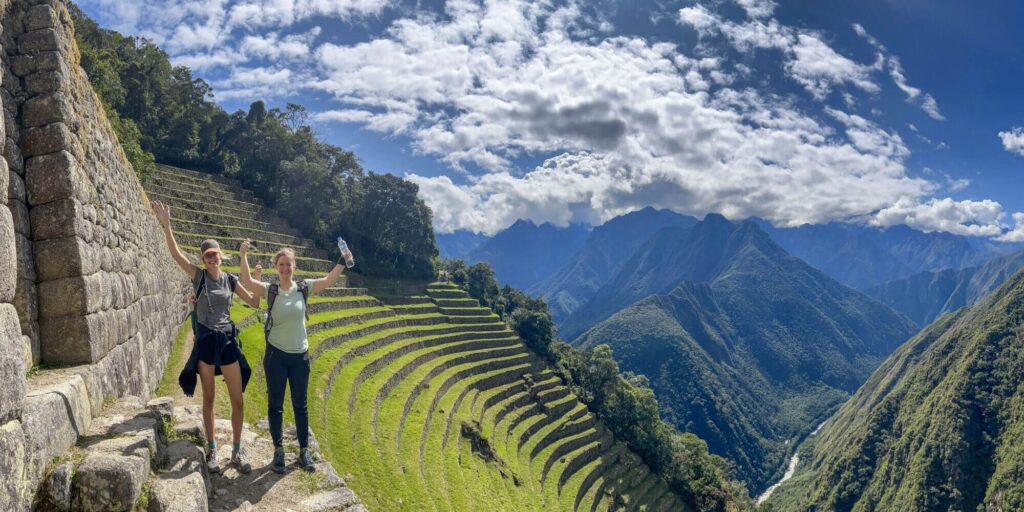
The Classic 4-day Inca Trail trek to Machu Picchu is the most popular and regulated Machu Picchu hike. While the exact Inca Trail itinerary may differ slightly depending on your Inca Trail tour operator, most groups follow a similar Inca Trail route with set start times to avoid overcrowding. Even though only 500 Inca Trail permits are issued daily, the trail is still filled with hikers, guides, and porters — making it a vibrant but busy journey through the Peruvian Andes.
If you’re looking for a quieter adventure, consider alternatives to the Inca Trail hike, as Cusco and the Sacred Valley offer many other Peru trekking routes to ancient Inca sites.
Distance: 13 km (8 miles)
Time: 5–7 hours
Overnight: Huayllabamba
Day one of the Inca Trail hike gently eases you into the adventure. After traveling from Cusco to the Inca Trail trailhead, you’ll meet your group, guides, and porters — an essential part of every Inca Trail tour.
The first stretch is considered one of the easier days of the Inca Trail trek, with minimal elevation gain. Along the way, you’ll pass the impressive Inca ruins of Patallaqta, which means “town on a hillside” in Quechua, offering your first taste of the ancient culture.
You’ll spend the night at Huayllabamba, the only inhabited village along the Inca Trail route. At this stage, your legs feel fresh, your spirits are high, and you’ll think you can conquer anything. But remember — Day 2 of the Inca Trail is known as the most challenging, with steep climbs, high altitude, and the demanding ascent to Dead Woman’s Pass (4,215m/13,828ft).
Prepare well with an Hiking the Inca Trail packing list, stay hydrated, and follow your guide’s Inca Trail tips — because tomorrow, the real adventure begins.
Distance: 11 km (7 miles)
Time: 7–10 hours
Route: From Huayllabamba to Pacaymayu
Day 2 of the Classic 4-day Inca Trail trek is infamous as the hardest section of the entire Inca Trail hike to Machu Picchu. The severe elevation gain and high altitude of the Inca Trail make this day a true test of endurance. Even if you’re fit enough to handle the steep incline, there’s a good chance the altitude sickness symptoms — dizziness, shortness of breath, or fatigue — may zap your energy.
The trek begins with a relentless ascent of 1,200 meters (almost 4,000 feet) before reaching the highest point of the Inca Trail route, the legendary Dead Woman’s Pass (Warmiwañusca, 4,215m / 13,828ft). This climb is grueling but offers one of the most rewarding feelings of accomplishment on the entire Machu Picchu hike.
At the summit, trekkers are greeted with panoramic views of the Peruvian Andes, often cold and windy, with occasional snow flurries — the perfect place for that epic photo showcasing your resilience on the Inca Trail trek. From there, a steep and challenging descent leads you to the campsite at Pacaymayu, testing knees and balance alike.
Unfortunately, this is also the day when our group faced a setback. One of our teammates injured her knee on the descent after Dead Woman’s Pass. With the Inca Trail difficulty already at its peak and no easy evacuation routes in the Sacred Valley’s remote wilderness, the situation seemed dire.
But this is where the remarkable strength and generosity of the Inca Trail porters and guides came through. These incredible men, already carrying food, tents, cooking gear, and even trash, took turns carrying our teammate across much of the trail for the remaining two and a half days. Their resilience and determination were nothing short of awe-inspiring — a reminder of the human spirit that powers every Inca Trail tour.
For me, it was humbling. I can barely carry my petite wife for more than a few seconds, yet the porters carried an adult hiker for hours while still handling all the expedition gear. This day of the Inca Trail trek was not only the toughest physically but also the most inspiring, showing the true teamwork and perseverance that define this once-in-a-lifetime experience.
Distance: 16 km (10 miles)
Time: 10 hours
Route: From Pacaymayu to Wiñay Wayna
Day 3 of the Classic 4-day Inca Trail trek to Machu Picchu is no easy stroll. By this point, the soreness from the steep climbs and descents of the previous days really starts to settle in, reminding you that the Inca Trail hike is one of the most challenging — and rewarding — treks in the Peruvian Andes.
This stage of the Inca Trail route consists of a 1,500-meter descent into the lush subtropical cloud forests on the edge of the Amazon basin. Your legs will feel the strain as you make your way down endless stone steps carved centuries ago by the Incas. But the reward comes in the form of breathtaking views and stunning Inca ruins scattered along the trail.
On Day 3, trekkers pass through two remarkable Inca tunnels carved directly into the mountainside, an engineering marvel that adds to the sense of walking through living history. You’ll also encounter impressive archaeological sites such as Phuyupatamarca (the “Town in the Clouds”) and Intipata, terraced ruins with sweeping views of the valley below. These hidden gems feel like mini versions of Machu Picchu itself, building the anticipation for the final day.
By late afternoon, you’ll reach the campsite at Wiñay Wayna, one of the most iconic Inca sites along the Inca Trail hike. Its name means “Forever Young” in Quechua, and its cascading terraces, temples, and sacred baths make it one of the most unforgettable stops before Machu Picchu.
Day 3 is physically demanding, but mentally exhilarating. Every step brings you closer to the Sun Gate (Inti Punku) and the once-in-a-lifetime reward of seeing Machu Picchu at sunrise on Day 4. Rest well here — because tomorrow is the day you’ll remember for the rest of your life.
Distance: 5 km (3 miles)
Time: 2–3 hours
Route: From Wiñay Wayna to Machu Picchu, then return to Cusco
The final day of the Classic 4-day Inca Trail trek to Machu Picchu begins long before sunrise. Most groups receive their wake-up call around 3:00 a.m. in order to reach the iconic Sun Gate (Inti Punku) just as the sun rises over the Machu Picchu ruins.
For many hikers, this is the ultimate moment of the entire Inca Trail hike — watching the first light of day illuminate one of the New Seven Wonders of the World after four days of trekking through the Peruvian Andes. For our group, however, delays due to injuries meant we missed the actual sunrise. Still, the experience of walking through the Sun Gate and finally laying eyes on Machu Picchu was unforgettable.
Upon arrival, trekkers are rewarded with half a day to explore the legendary Inca ruins of Machu Picchu. Unlike many archaeological wonders, visitors here can actually walk through temples, terraces, and ceremonial sites — from the Temple of the Sun to the Intihuatana stone — gaining an intimate look at the brilliance of Inca engineering. After the demanding Inca Trail route, stepping into this sacred citadel offers a deeper appreciation for its grandeur.
No photo or video can ever capture the awe of seeing Machu Picchu up close. The sweeping terraces, mystical architecture, and surrounding mountains make this the highlight of any Machu Picchu trek — truly a once-in-a-lifetime experience.
At the end of the visit, you’ll take a shuttle bus down to Aguas Calientes, then board the train to Ollantaytambo, before returning to Cusco by bus or private car. The journey comes full circle, leaving you with memories of the Inca Trail hike to Machu Picchu that will last forever.
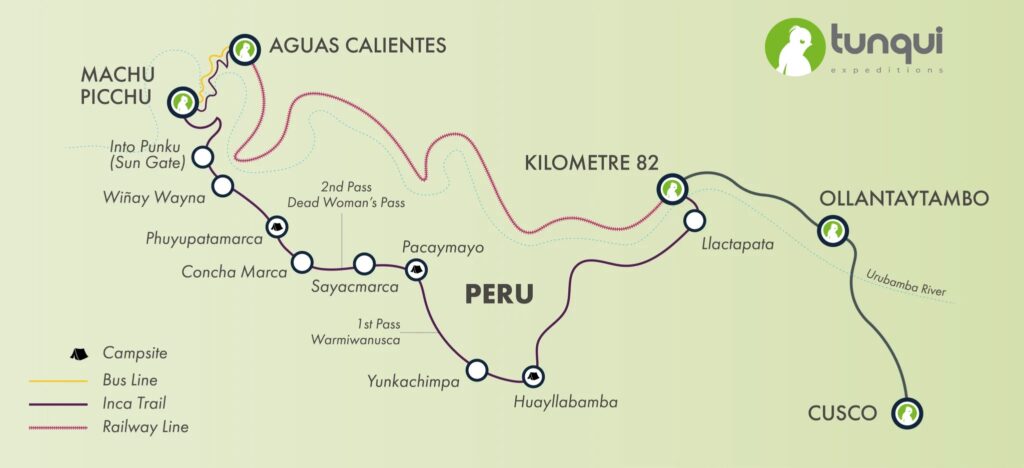
Alright, let’s talk logistics.
The first thing to know is that you must book your Inca Trail tour well in advance, since permits are extremely limited and sell out quickly. The Inca Trail permit system only allows 500 people per day on the trail, and that number includes guides and porters — who account for more than half. With such strict limits, spots disappear months ahead of time.
If you’re wondering, “Can you hike the Inca Trail without a guide?” the answer is unfortunately no. Hiking the Classic 4-day Inca Trail trek to Machu Picchu is only possible with a licensed Inca Trail operator or a private certified guide.
Most travelers need to reserve their Inca Trail hike about six months in advance to secure a permit. Long-range planning is absolutely essential if you want to experience this bucket-list Machu Picchu trek.
Group sizes typically range from 8 to 16 people, bringing together adventurers from around the world. This group structure keeps tours affordable while providing the support of professional guides and porters. For those seeking a more exclusive experience, you can book a private Inca Trail tour, but these come at a significantly higher cost.
When comparing the best Inca Trail tour operators in Cusco, look for companies that include:
Choosing the right operator is one of the most important steps in planning your Inca Trail trek to Machu Picchu, ensuring not only your safety and comfort but also a deeper appreciation of this once-in-a-lifetime experience in the Peruvian Andes.
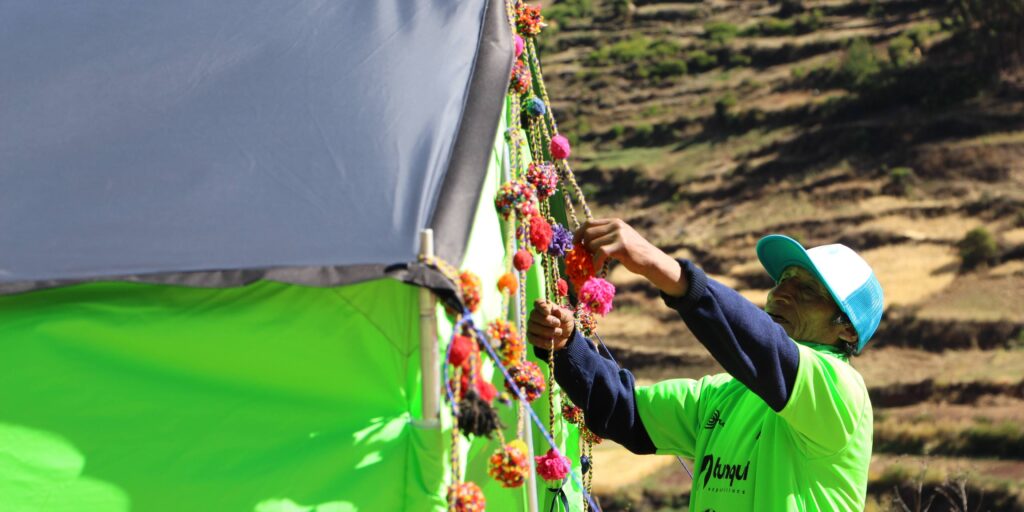
At Tunqui Expeditions, we believe in being 100% transparent about Inca Trail prices and what’s included in your trek. The cost of the Classic 4-day Inca Trail tour to Machu Picchu may vary depending on the season and group size, but it’s important to understand that if a tour operator is charging significantly less, it usually means the porters are not being paid fair wages or the quality of service is being compromised.
That’s why we always recommend booking directly with a local Inca Trail operator in Cusco like us, instead of going through a foreign travel agency that often charges double the price. By booking with Tunqui Expeditions, you ensure fair treatment of our porters and guides, while also supporting the local economy.
One of the highlights our travelers always mention is the food. You’ll be amazed at the incredible meals our cooks prepare — fresh, varied, and delicious — all while being in the middle of the Andes mountains.
At Tunqui Expeditions, we take great pride in ensuring our porters are treated with dignity and respect. They are the heart of every trek, carrying equipment, setting up camps, and often going above and beyond to make sure every traveler reaches Machu Picchu safely. Trust us — once you see all that’s included and the effort of the entire team, you’ll know every penny is well worth it.
When you hike the Inca Trail to Machu Picchu, you will meet some of the hardest-working and kindest people in the Peruvian Andes — the Inca Trail porters. These men are the true heroes behind every successful Inca Trail trek. While travelers enjoy the hike and stunning scenery, porters carry the heavy loads: tents, sleeping bags, food, and cooking equipment that make the Machu Picchu hike possible.
At Tunqui Expeditions, we believe that without porters, there would be no Inca Trail experience. They are the heart and soul of every journey, walking ahead of the group to set up campsites, cook meals, and ensure everything is ready when hikers arrive. Their strength, dedication, and kindness transform the Inca Trail into a once-in-a-lifetime adventure.
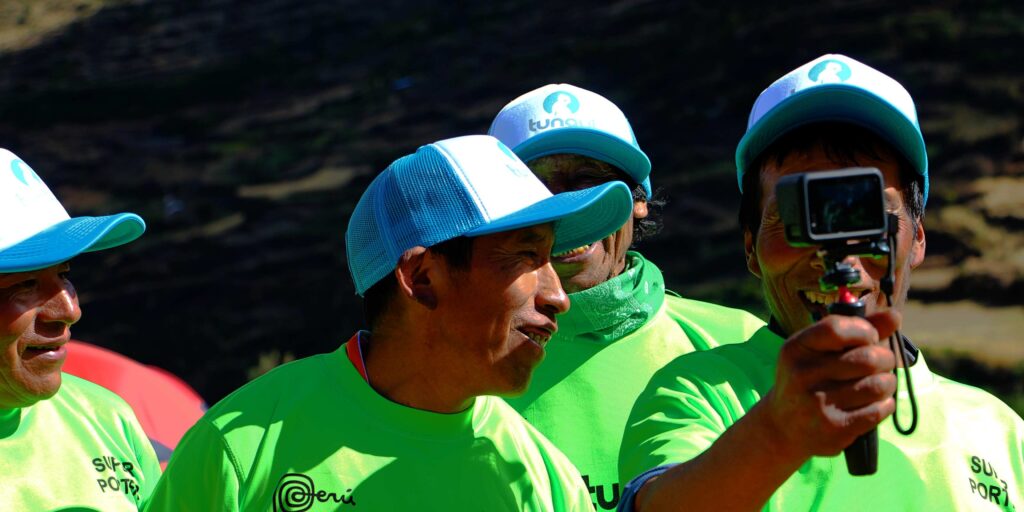
Unlike some operators, we treat our porters as family. At Tunqui Expeditions, porters receive:
Beyond the trail, we also support their families and communities through education initiatives and local development projects. By caring for our porters, we ensure they can do their jobs with dignity, safety, and pride.
A porter’s day begins before sunrise. While trekkers are still asleep, the porters are already boiling water, preparing breakfast, and organizing gear. After breakfast, they quickly pack up tents, cooking equipment, and personal belongings. Each porter can carry up to 25 kilograms — including food, sleeping gear, and group supplies.
Even under this weight, porters move quickly and often reach the next campsite long before the hikers. There, they set up tents again, prepare meals, and make everything ready for the group’s arrival. Some even assist trekkers along difficult parts of the Inca Trail route, offering a steady hand or encouragement when energy runs low.
Porters work incredibly hard, yet they do so with strength, dedication, and often a smile. At Tunqui Expeditions, we are proud to support these men with the respect and care they deserve. Their efforts not only make the Inca Trail hike to Machu Picchu possible but also unforgettable.
When you walk the Classic Inca Trail, remember that the porters are the true backbone of the journey. They are always strong, always supportive, and always there to make your trek a success.
Inca Trail porters are some of the hardest-working people in the Peruvian Andes. Every day, they carry heavy loads — tents, food, sleeping gear, and cooking equipment — across steep mountains and rocky paths. The Inca Trail trek to Machu Picchu is not easy. The altitude, which reaches over 4,200 meters at Dead Woman’s Pass, combined with unpredictable weather, makes their job one of the toughest in the trekking world.
The weather on the Inca Trail route can change in minutes. One moment the sun is shining, the next it’s cold rain or even snow at high altitude. Yet, porters keep walking, ensuring everything is ready for hikers when they arrive at camp.
The challenge is not only physical. Many porters leave their families for several days at a time, missing important moments like birthdays or celebrations. Still, they take pride in their work because they help thousands of people from around the world experience the beauty of Machu Picchu.
At Tunqui Expeditions, our porters are not just workers — they are family. We are committed to improving the porter’s life on the Inca Trail through fair treatment, respect, and support.
Here’s how we care for our porters:
We also go beyond the trail by supporting our porters’ families and communities. Tunqui Expeditions provides access to education programs, English classes, and training opportunities so porters can become future guides or pursue new careers. We also contribute to local projects such as schools and clean water systems.
Our porters are not only strong but also caring, generous people. Many come from small Andean villages where they are farmers, fathers, and students. On the trail, they often go above and beyond to help trekkers.
One story that always inspires us is about a porter who noticed a hiker struggling with altitude sickness. He quietly shared coca tea and encouraging words in Quechua, helping the traveler regain the strength to continue. Another porter once repaired a broken hiking boot with string and cloth, ensuring the trekker could finish the trail safely.
These small acts of kindness reflect the spirit of the Andes. Porters carry not just weight, but also the responsibility of keeping hikers safe and motivated. Their stories, songs, and smiles make the journey truly unforgettable.
As a trekker, you can make a difference too. Supporting porters means more than just booking with a responsible company like Tunqui Expeditions — it means treating them with respect. Learn their names, thank them, and tip them fairly at the end of your trek. Even a small gesture of gratitude goes a long way.
By choosing Tunqui Expeditions, you are traveling responsibly. You ensure that the people who make the Inca Trail hike to Machu Picchu possible are treated with dignity and care.
The porters are the true heroes of the Inca Trail. Without them, the Machu Picchu hike would be nearly impossible. They walk faster, carry more, and work harder than anyone else on the trail — all with strength, dedication, and kindness.
At Tunqui Expeditions, we are proud to say our porters are treated as part of our family. With fair pay, proper equipment, warm meals, safe sleeping conditions, and opportunities for education, we honor their hard work and give back to the communities that sustain the Inca Trail.
When you hike with us, you are not only walking in the footsteps of the Incas — you are also walking alongside the heart of the Andes.
👉 Experience the Inca Trail trek to Machu Picchu with respect, responsibility, and the help of incredible porters. Book your journey with Tunqui Expeditions and discover the difference that ethical, responsible tourism makes.
The Inca Trail to Machu Picchu is one of the most popular treks in the world, and permits are limited to just 500 per day (including guides and porters). Because of this, availability for both the Classic 4-Day Inca Trail trek and the Short 2-Day Inca Trail hike sells out quickly, especially during the high season from May to September.
To secure your spot, it’s essential to check the official Inca Trail availability calendar before booking. Reservations often need to be made 5–7 months in advance for the 4-day trek and at least 3–4 months ahead for the 2-day trek.
By checking the calendar, you’ll see which dates are open, sold out, or partially available. This ensures you can plan your Machu Picchu hike around your travel schedule and avoid disappointment.
👉 Ready to book your trek? Check the Inca Trail Calendar & Availability now and reserve your permit for the adventure of a lifetime.
The Inca Trail to Machu Picchu is one of the world’s most iconic treks. To protect its natural and cultural heritage, the Peruvian government controls access through a strict permit system. Only a limited number of people are allowed to start the trek each day.
That’s why it’s crucial to check Inca Trail availability Online and book in advance, especially during high season (May to September).
The full trekking experience through the Andes. Hike ancient paths, explore archaeological sites, and arrive at Machu Picchu through the Sun Gate.
We recommend booking 4 to 6 months in advance, as this is the most in-demand route.
A shorter, more accessible option for those with limited time. It includes a scenic train ride, a rewarding day hike from km 104, and an overnight stay in Aguas Calientes.
Perfect for families, seniors, or casual hikers.
When people imagine hiking the Inca Trail to Machu Picchu, they often think about steep climbs, breathtaking views, and ancient ruins. What they don’t expect is the incredible trekking food in Peru. Ask anyone who has completed the Classic Inca Trail trek, and they’ll tell you: the meals are one of the biggest surprises of the journey.
On the Inca Trail, food is much more than fuel — it’s part of the cultural experience. Local cooks and porters work wonders with limited resources, preparing dishes that combine traditional Peruvian flavors with the comfort food trekkers crave after a long day of hiking. Imagine finishing a 12-kilometer hike and sitting down to a steaming bowl of quinoa soup, fresh vegetables, roasted chicken, or even a perfectly baked cake — yes, baked on the trail!
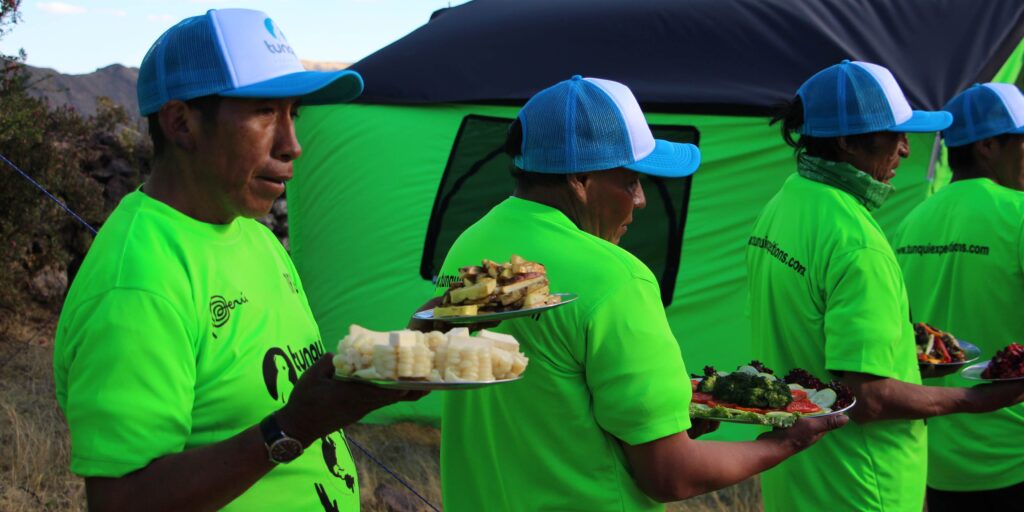
Food is one of Peru’s greatest treasures, and enjoying it on the Inca Trail hike makes the trek even more memorable. Sharing meals with your group in a dining tent high in the Andes creates a sense of community and celebration after each day’s challenge.
Whether it’s breakfast before tackling Dead Woman’s Pass, or a hearty dinner at Wiñay Wayna, every bite connects you not just to the trail, but to the rich culinary traditions of Peru.
👉 Hungry to learn more? Check out our full guide on Inca Trail Food & Meals and discover why trekking in Peru is a feast for both the body and soul.
The Inca Trail to Machu Picchu can be hiked almost all year round, with the exception of February, when the trail is closed for annual maintenance.
The best time to hike the Inca Trail is generally between May and September, during the dry season in the Peruvian Andes. These months bring cooler temperatures and clearer skies, making the trek more enjoyable. For example, when we hiked in July, the weather was fantastic — cool enough at night for a comfortable sleep, yet pleasant during the day with only a light drizzle on Day 2.
Keep in mind that June to August is high season. Permits sell out extremely fast, so we recommend reserving your spot at least five to seven months in advance, regardless of when you plan to travel.
The rainy season in Peru runs from November through March, and heavy downpours are almost guaranteed during these months. Hiking is still possible, but the trail can become slippery and less enjoyable. April and October fall in between, with occasional showers but fewer crowds. And yes — rainy days do mean you might encounter some very photogenic wet llamas along the way! 🦙
👉 For a detailed breakdown of Inca Trail weather by month, check out our full guide here: Inca Trail Weather Guide.
If you’re preparing for the Classic 4-day Inca Trail trek to Machu Picchu, packing the right gear is crucial. This is your essential Inca Trail packing list, covering everything you’ll need to stay comfortable, safe, and ready for the challenge of the Peruvian Andes.
Layers are key. The Inca Trail hike takes you through multiple climates, from warm days in the Sacred Valley to freezing nights at Dead Woman’s Pass (over 13,000 feet in elevation). Pack a solid layering system: moisture-wicking base layers, insulating mid-layers, and a durable outer shell.
Most Inca Trail tours provide tents and sleeping gear, but many hikers prefer to bring their own. A reliable backpacking tent, sleeping bag rated for cold nights, and a sleeping pad can make all the difference in getting a good night’s sleep in the Andes.
If you’re trekking during the rainy season in Peru (November to March), waterproof clothing is non-negotiable. A quality rain jacket and pack cover will keep you dry during sudden downpours at high altitude.
Highly recommended, especially for the steep downhill sections of the Inca Trail route. Trekking poles help reduce strain on your knees during long descents.
Sturdy, broken-in hiking boots are essential. The Inca Trail trek is full of uneven stone steps, so good ankle support and traction are a must.
A comfortable backpack (25–35 liters) is ideal for carrying your essentials: water, snacks, extra layers, and personal items. If you’ve hired an extra porter, they’ll carry your larger bag.
Instead of relying on tablets, consider a portable water filter like the Grayl Geopress. With it, you can safely drink from mountain streams throughout the Inca Trail hike.
UV rays are stronger at high altitude. Bring polarized sunglasses, sunscreen, and a hat to protect yourself while trekking through exposed sections of the Inca Trail.
Above all, remember that every extra pound counts. Pack only the essentials. The lighter your bag, the more enjoyable your Machu Picchu hike will be.
👉 For a full breakdown of essential gear, check out our detailed guide here: Inca Trail Packing List.
Hiking the Inca Trail to Machu Picchu is one of the most iconic treks in the world — a once-in-a-lifetime experience that combines breathtaking landscapes, ancient Inca ruins, and the unforgettable reward of arriving at Machu Picchu, one of the New Seven Wonders of the World.
But before you set off on this legendary Inca Trail trek, it’s important to be well-prepared. Understanding how the trail works, when to go, what to pack, and what challenges to expect will make your journey far more enjoyable.
Whether you’re hiking the Classic Inca Trail in 4 or 5 days, or choosing the shorter 2-day Inca Trail hike, this FAQ guide covers everything you need to know: permits, costs, best time to visit, altitude, food, porters, and much more.
Here are the Top 50 Frequently Asked Questions about the Inca Trail to help you plan your trek like a pro. Let’s dig in!
The Inca Trail is a legendary trekking route in Peru that leads to Machu Picchu, one of the New Seven Wonders of the World. The trail follows ancient stone paths built by the Incas, passing through Andean mountain landscapes, cloud forests, and Inca ruins along the way. It is considered one of the most famous hikes in the world and a once-in-a-lifetime experience.
The Classic Inca Trail trek is about 42 kilometers (26 miles) and usually takes 4 days and 3 nights to complete. There are also shorter options like the 2-day Inca Trail hike, which covers the final section of the trail before reaching Machu Picchu.
Both options require an official Inca Trail permit.
The Inca Trail difficulty is considered moderate to challenging. The trek includes steep ascents and descents, long hiking days, and high elevations (up to 4,215m / 13,828ft at Dead Woman’s Pass). While you don’t need to be an athlete, you should be reasonably fit and prepared for the altitude.
The highest point of the Inca Trail route is Dead Woman’s Pass (Warmiwañusca) at 4,215 meters (13,828 feet). Other passes, like Runkurakay, reach around 3,950 meters (12,959 feet). Because of this, many trekkers spend a few days in Cusco (3,400m / 11,200ft) before the trek to acclimatize.
Yes. All hikers need an official Inca Trail permit, which must be obtained through a licensed Inca Trail tour operator. Permits are limited to 500 per day, and this number includes guides and porters. Because of high demand, permits sell out months in advance — especially for May to September (dry season).
You should book your Inca Trail trek at least 5–7 months in advance for high season (June to August). For other months, booking 3–4 months ahead is usually enough. However, if you want to guarantee a spot during peak season, early booking is essential.
No. Independent trekking is not allowed on the Inca Trail to Machu Picchu. By Peruvian law, all hikers must be accompanied by a certified guide and licensed tour operator. This regulation ensures safety, protects the trail, and provides jobs for local porters and guides.
The price of a Classic 4-day Inca Trail tour ranges from $650 to $950 USD, depending on the operator, group size, and level of service. The 2-day Inca Trail is generally cheaper, starting around $500 USD. Be cautious of extremely low prices — this often means porters are not paid fair wages or equipment is of poor quality.
👉 See more: Inca Trail Prices Explained
Most reputable Inca Trail operators include:
Extras (not always included): sleeping bags, trekking poles, Huayna Picchu or Machu Picchu Mountain tickets, and tips for porters and guides.
👉 Want to know more? We’ve put together the Top 50 Frequently Asked Questions about the Inca Trail to help you plan your trek with confidence. From permits and costs, to altitude tips, best time to hike, and porter life, you’ll find all the answers you need in our full guide.
Read the complete FAQ here: Inca Trail FAQ Guide.
When travelers ask me what makes the Inca Trail to Machu Picchu so special, I always say it’s more than just a hike — it’s a journey through history, culture, and the heart of the Andes Mountains. As someone who has worked for years as a porter and now as a guide, I’ve walked these stone steps countless times, but every trek feels like the first. Here are some highlights I’ve lived and shared with hikers from all around the world:
At 4,215 meters (13,828 ft), Dead Woman’s Pass is the highest point of the Classic 4-day Inca Trail trek. I’ve seen strong hikers struggle and others surprise themselves with their determination. Reaching the top is always emotional — many cry, laugh, or hug their teammates. For me, it’s a reminder of the Incas’ strength and how small we are next to the mountains.
The Inca Trail route is lined with incredible archaeological sites. From Patallaqta to Runkurakay, Sayacmarca, Phuyupatamarca, and finally Wiñay Wayna, each ruin has its own story. As a guide, I love sharing these stories in Quechua and Spanish, then translating for travelers. These ruins aren’t just stones — they’re living history that connects us to our ancestors.
Of all the ruins, Wiñay Wayna is my favorite. Its terraces seem endless, climbing the mountain like steps to the sky. At sunset, the light turns the stones golden, and many trekkers say it feels even more magical than Machu Picchu itself. For us guides and porters, it’s also the final camp before the great reward.
Even after hundreds of times, arriving at the Sun Gate (Inti Punku) never loses its magic. Watching trekkers see Machu Picchu for the first time, often with tears in their eyes, is the most rewarding part of my job. I always tell them: “You didn’t just arrive at Machu Picchu. You earned it, step by step.”
As a former Inca Trail porter, I know the effort behind the trek. We carry tents, food, and equipment, often running ahead to set everything up before hikers arrive. Many travelers don’t see this, but the Inca Trail trek would not be possible without porters. We are proud of our work because we know we make dreams come true.
The Inca Trail highlights are not only the ruins or the landscapes, but also the stories, the teamwork, and the spirit of the people who walk it. Every trek is different, every group has its own energy, and every sunrise at Machu Picchu feels like a blessing.
When you hike the Inca Trail to Machu Picchu, you are not just walking a path — you are walking in the footsteps of the Incas, guided by the spirit of the Andes, and supported by the strength of the porters.
The Inca Trail to Machu Picchu is more than just a trek. It’s a journey through history, culture, and the breathtaking landscapes of the Peruvian Andes. From the challenge of Dead Woman’s Pass, to the beauty of Wiñay Wayna, and the unforgettable moment of arriving at the Sun Gate overlooking Machu Picchu, every step tells a story.
But what truly makes the Inca Trail trek special are the people who bring it to life — the porters, guides, and local communities who dedicate themselves to ensuring every traveler has a safe and meaningful adventure.
I’m Silvio, a former porter and now guide with Tunqui Expeditions. I’ve walked this trail hundreds of times, but I promise you, the magic never fades. With us, you’ll not only hike the legendary Classic 4-Day Inca Trail or the Short 2-Day Inca Trail — you’ll also connect with the heart of the Andes and the people who call it home.
At Tunqui Expeditions, we are proud to be one of the best local Inca Trail tour operators in Cusco. We offer:
When you book with us, you are not just reserving a trek. You are supporting a local company, our porters, and our communities. You are choosing to hike responsibly and respectfully, while making memories that will stay with you for a lifetime.
👉 Ready to start your adventure? Reserve your spot now with Tunqui Expeditions – Inca Trail Tours and walk the trail with Silvio and the best local team in Cusco.
Come hike the Inca Trail to Machu Picchu the right way — with heart, respect, and the people who know it best.






 Español
  English
