The Inca Trail Peru is one of the most iconic trekking experiences in the world, leading adventurers through breathtaking mountain landscapes, ancient ruins, and vibrant Andean culture, before culminating at the legendary Machu Picchu. Known as the Classic Inca Trail, this unforgettable journey attracts hikers from across the globe who want to walk in the footsteps of the Incas.
In this comprehensive guide, we’ll cover everything you need to know about the Inca Trail to Machu Picchu — from securing your Inca Trail permits and understanding the Inca Trail difficulty, to planning your 4 day Inca Trail itinerary, exploring the one day Inca Trail option, and comparing Salkantay vs Inca Trail treks.
Whether you’re wondering about the best time to hike the Inca Trail, what the Inca Trail altitude feels like, or how much the Inca Trail costs, this guide will help you prepare step by step. With practical advice, insider tips, and a detailed overview of the Machu Picchu Inca Trail tour experience, you’ll have everything you need to know on how to hike the Inca Trail successfully.
Spending several days along this historic route is a once-in-a-lifetime adventure. As you trek through spiraling mountain passes, cloud forests, and sacred archaeological sites, every step of the Inca Trail hike brings you closer to the awe-inspiring moment when you arrive at Machu Picchu through the Sun Gate.
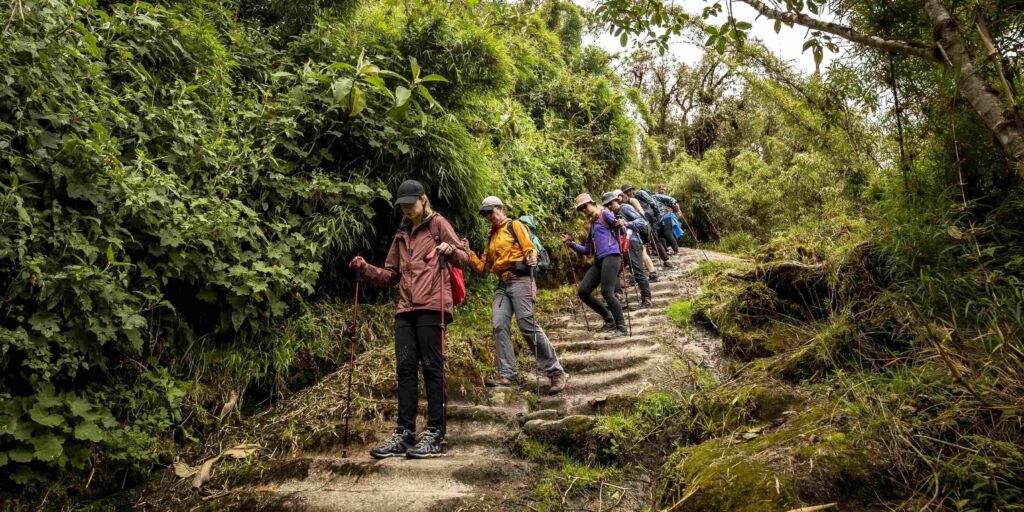
The Inca Trail Peru is one of the most legendary trekking routes in the world, and with Tunqui Expeditions, you’ll experience it in the most authentic way possible. Following in the footsteps of the Incas, you’ll cross stunning Andean landscapes, pass through mystical cloud forests, and explore ancient archaeological sites before arriving at the world wonder of Machu Picchu.
Whether you choose the Classic 4 day Inca Trail or the shorter one day Inca Trail, our carefully crafted itineraries give you the perfect balance of adventure, culture, and comfort. With professional local guides, small group sizes, and a deep commitment to sustainable tourism, Tunqui Expeditions ensures that your Machu Picchu trek is truly unforgettable.
The Inca Trail Peru is one of the most iconic trekking routes in the world, located high in the Andes just outside of Cusco. Once part of the vast road network built by the Inca civilization, this ancient path is now famous as the Inca Trail to Machu Picchu, attracting thousands of hikers each year who want to experience history, breathtaking scenery, and unforgettable ruins along the way.
The official Classic Inca Trail route is 42 km (26 miles) long, starting at Kilometer 82 and ending at the Sun Gate (Inti Punku), the dramatic entrance to Machu Picchu. However, this is only a small section of a much larger system. In reality, the Inca Trail network once extended more than 23,000 km (14,000 miles), stretching from Argentina in the south through Peru and Bolivia, and reaching as far as Colombia.
During Inca times, these roads were essential for many reasons. They served as commercial routes, making it easier to transport people and goods between different regions of South America. They also had military importance: for example, sites like the Intipata Ruins allowed communities to quickly reach nearby towns and warn of potential dangers or incoming attacks.
Today, walking the Inca Trail hike is more than just a trek — it’s a journey through history, where every step brings you closer to the extraordinary legacy of the Incas and the wonder of Machu Picchu.
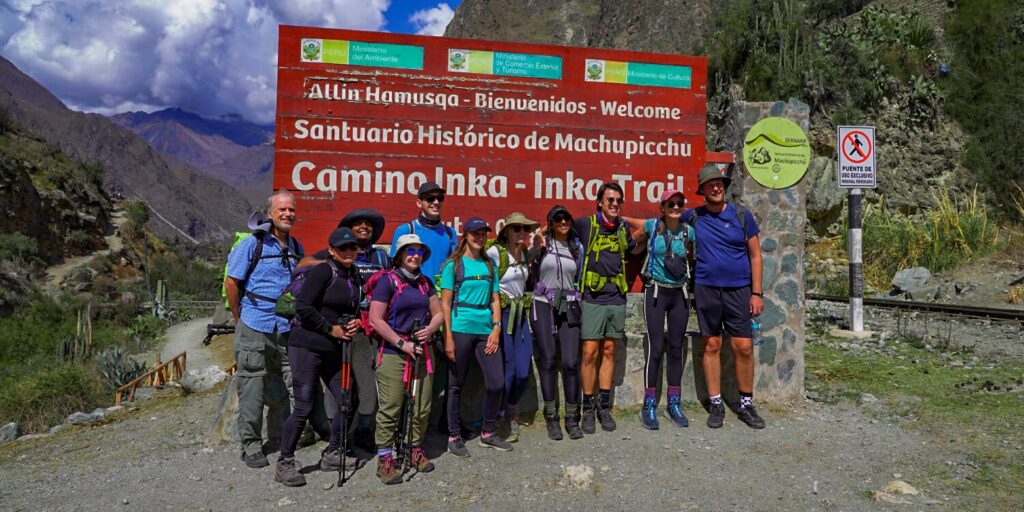
The Inca Trail Peru is more than just a world-famous hike — it is a living piece of history. Originally built in the early 15th century under the rule of Emperor Pachacutec, this vast network of ancient roads once connected the entire Inca Empire, known as Tahuantinsuyo, which stretched across much of South America.
Long before it became a bucket-list trek, the Inca Trail hike served as a vital system for trade, communication, and governance. Travelers would spend days or even weeks moving along these paths, stopping at tambos (resting points) between key sites. Llamas carried goods and supplies, while the chasqis — skilled runners — relayed urgent messages between settlements.
Today, the Classic Inca Trail is the best-preserved section of this network, spanning 42 km (26 miles) from Km 82 to the Sun Gate. Along the way, hikers can explore incredible archaeological sites such as Salapunku, Llactapata, Sayacmarca, Wiñay Wayna, and finally the crown jewel — Machu Picchu.
Each of these sites played an important role in Inca society. They served as administrative or ceremonial centers, strategically positioned to strengthen the empire’s control and allow rapid communication across the Andes. Remarkably, many of these towns — including Machu Picchu itself — were never discovered by the Spanish during their conquest of Peru in the 16th century.
While historians still debate the reasons these sites were abandoned, theories include the devastating spread of smallpox, internal civil wars, and the eventual capture of the Inca Emperor. Whatever the cause, the Inca Trail to Machu Picchu remains one of the most unique ways to connect with this extraordinary history.
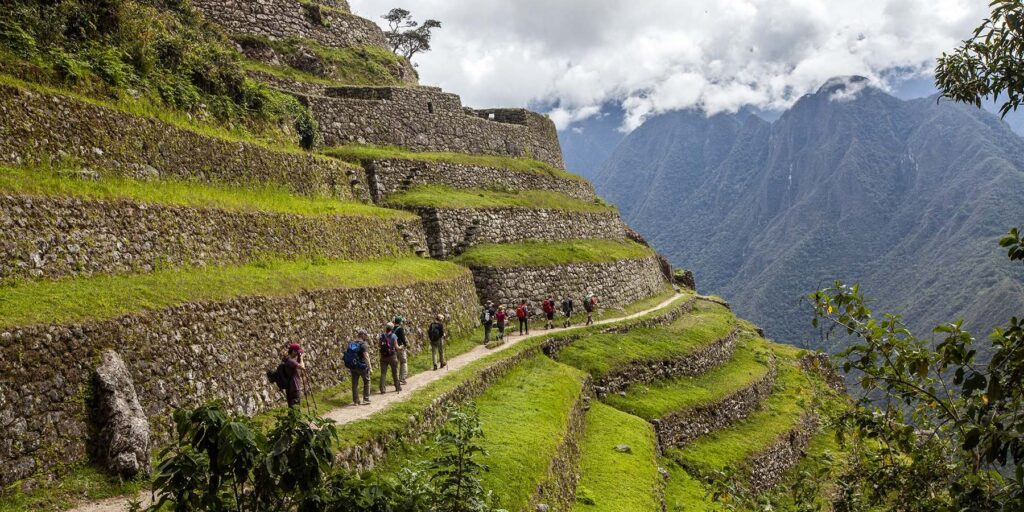
The Inca Trail Peru is more than just a trek — it’s an adventure that combines breathtaking scenery, fascinating history, and the ultimate reward of reaching Machu Picchu. Here’s why the Classic Inca Trail remains one of the most unforgettable hikes in the world:
From the very first steps of your Inca Trail hike, you’ll be surrounded by towering Andean peaks, lush valleys, and dramatic landscapes that only grow more impressive as you continue along the route. The trail takes you through diverse ecosystems — from alpine passes like the famous Dead Woman’s Pass (4,215m) to the mystical cloud forests of Phuyupatamarca.
Unlike museums, which showcase history behind glass, the Inca Trail to Machu Picchu allows you to walk through history itself. Along the 42 km route, your guide will take you to incredible archaeological sites such as Sayacmarca, Intipata, and Wiñay Wayna — ancient towns hidden deep in the Andes that once played key roles in the Inca Empire.
Of course, the crown jewel of the trek is arriving at Machu Picchu through the Sun Gate, just as the Incas once did. This moment is often described as the most rewarding part of the journey — a truly magical experience that makes every step worth it.
The Inca Trail difficulty is part of what makes it so special. Completing the entire 42 km Classic Inca Trail requires preparation and determination, but that’s what makes it so fulfilling. Only a limited number of travelers each day get the chance to walk the path and earn this achievement, making it one of South America’s greatest adventures.
If you’re looking for a trek that combines nature, culture, and adventure, the Inca Trail hike is absolutely worth it.
To begin your Inca Trail hike, you’ll first need to travel to Cusco, the historic capital of the Inca Empire and the main gateway to the trail. Cusco is well connected, with several daily flights from Lima that take just over an hour. Airlines such as LATAM, Sky, and JetSmart operate this route regularly. For budget travelers, there’s also the option of a long-distance bus from Lima, which takes around 22 hours.
It’s important to note that you cannot hike the Classic Inca Trail on your own. By regulation, all trekkers must be accompanied by a licensed guide, and only authorized operators can secure the mandatory Inca Trail permits.
This means that your journey officially begins in Cusco. From there, you’ll meet your group and guides before setting out by bus or private transport to the starting point at Km 82, where the Machu Picchu Inca Trail tour truly begins. Along the way, you’ll already start to see stunning Andean landscapes — a small preview of the adventure ahead.
When people talk about the Inca Trail Peru, they usually think of the famous Classic 4 day Inca Trail. But did you know there are actually different ways to experience this world-renowned trek? Depending on how much time you have, your comfort level, and the kind of adventure you’re looking for, you can choose between shorter options or the full traditional route
The 2 day Inca Trail is the perfect choice for travelers who are short on time but still want to experience the magic of the trail and enter Machu Picchu through the Sun Gate. Covering roughly 13 km, this route begins at Km 104 and takes you through incredible sites such as Wiñay Wayna before arriving at the Sun Gate on the very first day.
You’ll then spend the night in the town of Aguas Calientes. On day two, you’ll enjoy a guided tour of Machu Picchu itself before returning to Cusco.
2 Day Inca Trail Itinerary:
This shorter version is less challenging than the full route, making it ideal for families, travelers on a tight schedule, or those looking for a lighter Machu Picchu trek.
For those seeking the ultimate adventure, the 4 day Inca Trail is by far the most popular option. This Classic Inca Trail takes you along the full 42 km route from Km 82, combining breathtaking scenery with fascinating archaeological sites, and nights spent camping high in the Andes.
Each day involves 5–9 hours of hiking, with highlights including Dead Woman’s Pass, the ruins of Sayacmarca and Intipata, and the cloud forest near Wiñay Wayna. On the final day, you’ll arrive at Machu Picchu at sunrise through the Sun Gate — one of the most unforgettable moments of any trek in the world.
4 Day Inca Trail Itinerary:
This is the most complete Machu Picchu Inca Trail tour, offering the perfect balance of challenge, history, and reward.
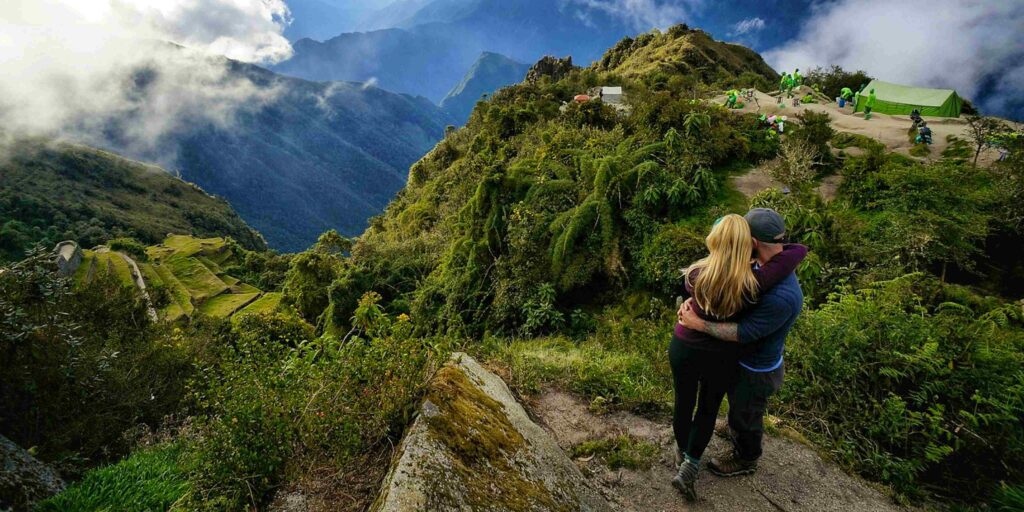
For those seeking a more exclusive adventure, the Private 4 Day Inca Trail is the ultimate way to experience this legendary trek. While the route follows the same path as the Classic Inca Trail, a private tour allows you to fully customize your journey. You’ll have the flexibility to decide how much time to spend at each archaeological site, which campsites you prefer, and even tailor your meals to your taste.
One of the biggest advantages of the private experience is pacing. You can hike at your own rhythm without worrying about slowing down a group or waiting for others to catch up. This makes it ideal for families, couples, or groups of friends who want a more personal and flexible Machu Picchu trek.
Private 4 Day Inca Trail Itinerary
(follows a similar route to the Classic 4 Day trek, with adjustments depending on your preferences)
Choosing the Private Inca Trail Peru tour gives you the best of both worlds: the classic highlights of the trail combined with a more intimate, tailored experience. It’s a once-in-a-lifetime way to make your Inca Trail hike truly unforgettable.
For those looking for a slower pace and a more immersive experience, the 5 Day Inca Trail is the perfect choice. While it follows the same 42 km route as the Classic 4 Day Inca Trail, the journey is spread across five days, meaning shorter hiking times each day and more opportunities to relax and enjoy the stunning scenery.
One of the biggest advantages of the extended trek is that you’ll visit Machu Picchu twice. On day four, you’ll enter through the Sun Gate at sunset, and on day five you’ll return early in the morning before the crowds arrive — giving you the chance to explore this Wonder of the World in a more peaceful setting.
This itinerary is ideal for travelers who want to fully absorb the beauty and history of the Inca Trail Peru without the more intense daily exertion of the 4 day trek. It’s also perfect for photographers, nature lovers, and those who enjoy a longer Machu Picchu trek.
5 Day Inca Trail Itinerary
By choosing the 5 Day Inca Trail hike, you’ll not only enjoy a less demanding pace but also gain extra time to explore the hidden wonders along the trail. This makes it one of the most rewarding options for a Machu Picchu Inca Trail tour.
For the boldest adventurers, the Salkantay + Inca Trail 7 Day trek is the ultimate experience. Combining the dramatic high-mountain landscapes of the Salkantay trek with the rich history of the Classic Inca Trail, this journey offers the best of both worlds. You’ll cross glacial peaks, descend into lush jungle valleys, and follow the original Inca Trail Peru — passing iconic archaeological sites before arriving at the legendary Machu Picchu through the Sun Gate.
This expedition is perfect for travelers who want more than just a hike — it’s a true Machu Picchu trek that blends challenge, history, and incredible natural beauty. Along the way, you’ll visit breathtaking spots such as Humantay Lagoon, Runkurakay, Sayacmarca, Phuyupatamarca, Intipata, Wiñay Wayna, Inti Punku (Sun Gate), and finally Machu Picchu itself.
7 Day Salkantay + Inca Trail Itinerary
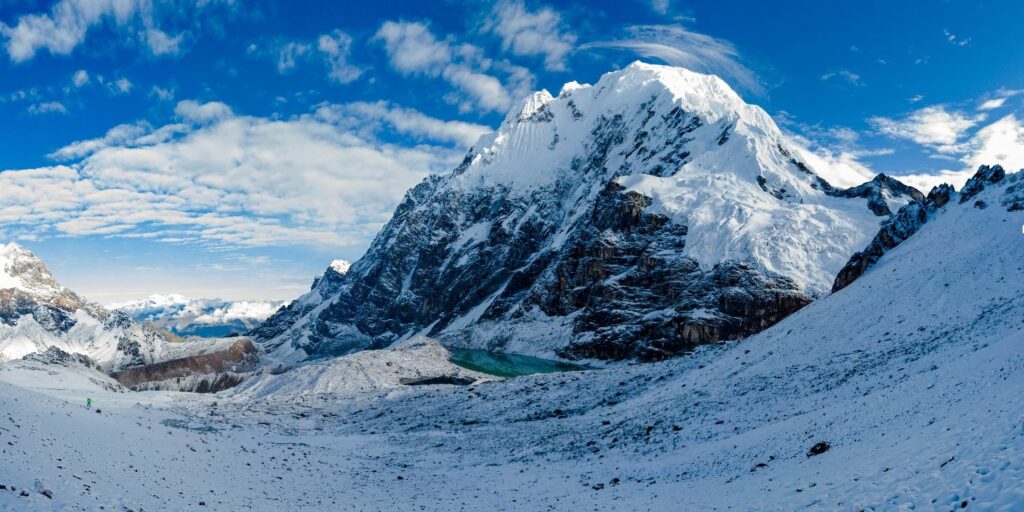
For adventurers who want the perfect balance of rugged landscapes and ancient history, the 5 Day Salkantay + Short Inca Trail trek is an unbeatable option. This itinerary combines the dramatic scenery of the Salkantay trek — including glacial lakes, towering Andean peaks, and remote valleys — with the highlights of the short Inca Trail, finishing at the majestic Machu Picchu through the Sun Gate.
Unlike the longer 7 Day Salkantay + Inca Trail route, this option is ideal if you’re short on time but still want to enjoy both experiences: the wild beauty of Salkantay and the cultural richness of the Inca Trail Peru.
Itinerary – 5 Day Salkantay + Short Inca Trail
For travelers who want to experience the magic of the Inca Trail Peru without sacrificing comfort, the Luxury Inca Trail 4 Day trek is the perfect choice. This exclusive version of the Classic Inca Trail offers the same breathtaking route and historical highlights, but with premium services that make your journey as comfortable as it is unforgettable.
With the Luxury Inca Trail, every detail is elevated:
Over four days, you’ll follow the legendary 42 km route from Km 82 to the Sun Gate (Inti Punku), visiting sites such as Llactapata, Runkurakay, Sayacmarca, Phuyupatamarca, Wiñay Wayna, and finally entering Machu Picchu at sunrise. This is the same Inca Trail itinerary as the classic trek, but with extra touches of comfort and exclusivity that make it one of the most memorable Machu Picchu Inca Trail tours available.
The Luxury 4 Day Inca Trail is ideal for couples, families, or anyone who wants the adventure of the Inca Trail hike with the added benefits of relaxation, privacy, and style. It’s not just a trek — it’s a once-in-a-lifetime experience where every step is supported with premium care.
Inca Trail Luxury Tour – At a Glance
Our Luxury Inca Trail 4 Day trek combines the legendary route of the Classic Inca Trail with premium services, exclusive details, and personalized attention. From gourmet meals and private campsites to small rituals honoring Andean traditions, this is the most comfortable and immersive way to experience the Inca Trail Peru on your way to Machu Picchu.
Your journey begins with an early pick-up and a hearty breakfast in Ollantaytambo before heading to Km 82, the official starting point of the Inca Trail hike. After a gentle four-hour walk, enjoy a gourmet picnic at Patallacta, with its panoramic views. Two more hours of hiking bring us to our exclusive campsite in Wayllabamba, where you can relax with a sunset drink.
Wake up to hot coffee served at your tent, followed by a chef-prepared breakfast. Today we ascend through a beautiful forest to Llulluchapampa for lunch, then climb to the highest point of the trail: Dead Woman’s Pass (Warmiwañusca, 4,215 m / 13,828 ft). Celebrate the achievement with a toast before descending to Pacaymayo campsite, where a candlelit dinner under the stars awaits.
Start your day with sunrise views over the Urubamba Valley. Continue along the Classic Inca Trail, passing fascinating sites like Runkuraqay, Sayacmarca, and Conchamarca, before reaching Phuyupatamarca, the “city above the clouds.” In the evening, take part in a small Pachamama ceremony, followed by a relaxed sunset meal.
After an early coffee, descend past Intipata and Wiñay Wayna before reaching the Sun Gate (Inti Punku) — your first breathtaking view of Machu Picchu at sunrise. Enjoy a private guided tour of the citadel before boarding the Vistadome Observatory train back to Ollantaytambo. A private transfer then returns you to Cusco and your hotel.
✨ The Luxury Inca Trail Peru is more than a trek — it’s a carefully curated experience that combines adventure, comfort, and Andean culture. Perfect for couples, families, or discerning travelers, this Machu Picchu Inca Trail tour is the most elegant way to walk in the footsteps of the Incas.
The Inca Trail Peru is not just a hike — it’s a journey through breathtaking scenery, ancient history, and vibrant culture. Along the Classic Inca Trail, you’ll encounter a mix of dramatic landscapes, lush cloud forests, and fascinating archaeological sites, each with its own story to tell. Here are some of the highlights you can expect during your Inca Trail hike:
Of course, the ultimate highlight is Machu Picchu, the iconic citadel and one of the New Seven Wonders of the World. But the Inca Trail to Machu Picchu offers so much more than just this world-famous site.
Beyond ruins, the Inca Trail hike immerses you in Andean culture and diverse natural beauty:
Every day of the Machu Picchu trek reveals a new wonder — from hidden ruins to spectacular landscapes. The combination of history, culture, and nature makes the Inca Trail Peru one of the most extraordinary hiking experiences in the world.
One of the greatest rewards of the Inca Trail Peru is the ever-changing scenery you’ll encounter along the way. Every section of the Inca Trail hike brings a new surprise — from rural farmlands to dramatic mountain passes and misty cloud forests.
At the start of the Classic Inca Trail, you’ll walk through rolling highlands and charming Andean villages, where the climate is warmer and the landscapes dotted with terraced fields. This is the perfect introduction to life in the Sacred Valley.
As the trail ascends, you’ll find yourself surrounded by towering Andean peaks, glacial valleys, and alpine lakes shimmering under the sun. Later, the environment shifts again as you descend into lush green cloud forests, filled with orchids, hummingbirds, and cascading waterfalls.
The diversity of ecosystems on the Inca Trail to Machu Picchu is unmatched — you’ll experience everything from high-altitude passes like Dead Woman’s Pass to subtropical jungles that feel worlds apart, all within a single trek.
Of course, the weather in the Andes can change quickly. From bright sunshine to mist and occasional rain showers, conditions vary by altitude and season. Packing properly is essential for enjoying every moment of your Machu Picchu trek — and later in this guide, we’ll share everything you need to know about what to bring.
One of the most underrated reasons to embark on the Inca Trail hike is the chance to encounter unique wildlife and diverse ecosystems along the way. Because the Classic Inca Trail passes through multiple biomes — from highland valleys and rocky mountain passes to subtropical cloud forests — the variety of flora and fauna is truly remarkable.
Since the Inca Trail Peru is part of a protected area, human impact is limited, allowing nature to thrive. This gives hikers the opportunity to witness species that are rarely seen elsewhere.
While encounters are not guaranteed, some of the more elusive animals include the Andean Puma and the Spectacled Bear (the only bear species native to South America). Spotting one requires patience, silence, and a bit of luck, as they tend to keep their distance from humans.
More commonly, you’re likely to see:
Keep your camera ready during your Machu Picchu trek — every step of the Inca Trail to Machu Picchu offers not only ancient ruins and stunning landscapes, but also the possibility of once-in-a-lifetime wildlife encounters.
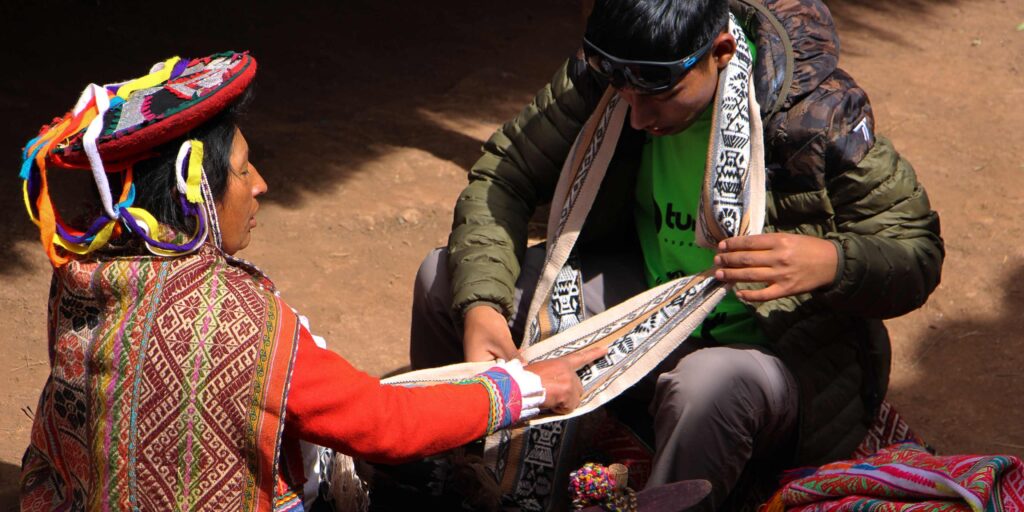
Many travelers spend time in Cusco or the Sacred Valley before starting the Inca Trail Peru, but nothing compares to the cultural immersion you’ll experience once you step onto the trail itself. Hiking the Inca Trail hike is not only about breathtaking landscapes and ancient ruins — it’s also a chance to connect deeply with living Andean traditions.
At Tunqui Expeditions, our entire team of guides, porters, and cooks comes from local communities in the Sacred Valley. Along the journey, you’ll often hear them speaking Quechua, the language of the Incas, and sharing stories that have been passed down for generations.
Food is also an important part of the cultural experience. From traditional Andean dishes prepared with fresh, local ingredients to insights into farming techniques that have sustained highland communities for centuries, every meal on the trek is a taste of authentic Peru.
This connection goes beyond tourism — by joining a Machu Picchu trek with us, you’re supporting local families, preserving cultural traditions, and becoming part of a living heritage that continues to thrive in the Andes.
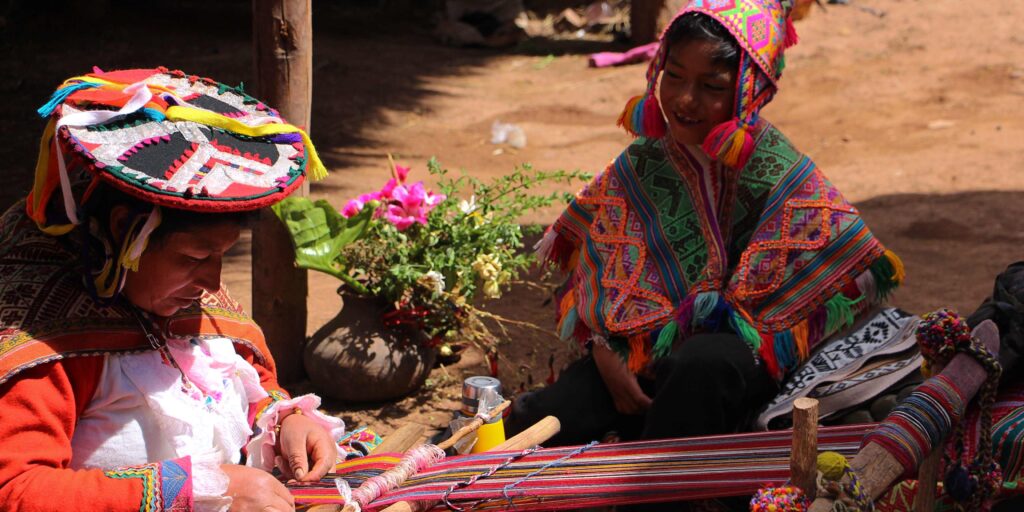
Getting ready for the Inca Trail hike is just as important as the trek itself. Good preparation will make your journey smoother, more enjoyable, and help you fully appreciate the adventure. At Tunqui Expeditions, we provide guidance every step of the way so you know exactly how to hike the Inca Trail and what to bring.
Packing smart is half the battle. While the Classic Inca Trail is only 42 km, the diverse climates — from hot valleys to cold mountain passes — mean you’ll need a range of clothing and equipment. Here’s a breakdown of the most important items:
For a complete and detailed breakdown, check out our Full Inca Trail Packing List guide with additional tips from our local team at Tunqui Expeditions.
By preparing well and packing correctly, you’ll be ready to enjoy every moment of the Inca Trail to Machu Picchu — from the high passes to the Sun Gate sunrise.
One of the most common challenges for travelers on the Inca Trail hike is altitude. Along the Classic Inca Trail, elevations range from around 2,500 m (8,200 ft) to the highest point at Dead Woman’s Pass (4,215 m / 13,828 ft). These shifts in Inca Trail altitude can sometimes cause altitude sickness, with symptoms including headaches, nausea, fatigue, and shortness of breath.
Altitude affects everyone differently. Some hikers may feel unwell at 2,500 m, while others complete the entire Machu Picchu trek without any symptoms. Because it’s unpredictable, the best approach is to prepare in advance.
By preparing ahead of time and following these tips, you’ll greatly reduce the chances of altitude sickness and enjoy every step of the Inca Trail Peru — all the way to the Sun Gate and Machu Picchu.
Being in good physical condition is essential before starting your Inca Trail hike. On average, trekkers walk up to 7 hours per day, covering as many as 25,000 steps daily. With steep uphill climbs, long descents, and high-altitude passes, the Inca Trail difficulty is part of what makes it such a rewarding challenge.
To prepare properly, we recommend beginning your training several months before your trip, if possible. This way, your body will adapt to longer distances and uneven terrain.
Once you arrive in Cusco, you can do a couple of acclimatization hikes for final preparation. Popular options include the walk up to the Cristo Blanco statue overlooking the city, or exploring smaller mountains in the Sacred Valley.
By taking time to prepare physically, you’ll not only reduce fatigue on the trail but also maximize your enjoyment of this once-in-a-lifetime Machu Picchu trek.
Many travelers prepare extensively before starting the Inca Trail hike, but once the journey begins, it’s easy to let your guard down. While preparation is key, staying alert during the trek is just as important to ensure a safe and enjoyable experience.
Even though the Inca Trail altitude is not as extreme as other treks in Peru, it’s still wise to take precautions. If recommended by your doctor, consider taking altitude sickness medication in the morning, and always hike at a steady, comfortable pace. Remember — the Classic Inca Trail is not a race, it’s a marathon.
Your personal tent and sleeping bag will be carried by your porter, but it’s your responsibility to keep them safe. Always zip your tent fully closed to prevent insects or small animals from getting inside, and store shoes and belongings securely.
Sections of the Inca Trail Peru can be steep or slippery, especially after rain. Walk carefully on uneven paths and take your time on descents. When overtaking other groups, give a clear vocal warning. Also, stay alert for the incredible porters, who often move quickly along the trail — give them space and respect their pace.
By remaining mindful of your surroundings and making good use of your gear, you’ll greatly reduce risks and fully enjoy your Machu Picchu trek. Knowing how to hike the Inca Trail safely ensures your journey is not only rewarding but also stress-free.
While the Inca Trail Peru is one of the most popular treks in the world, it’s important to remember that you’ll still be walking along uneven mountain paths for several days. Safety should always be a top priority — and at Tunqui Expeditions, we take every measure to keep our trekkers secure throughout the journey.
Before the trek begins, our team provides a full safety briefing, ensures your water bottles are refilled daily, and gives reminders along the route. We also carry satellite phones for emergency communication, so you’re always in safe hands.
Sun Exposure
Even though temperatures can drop in the mountains, the sun at high altitude is extremely intense. To avoid burns and dehydration:
⚠️ Slips and Trips
The Classic Inca Trail is well maintained, but loose stones and uneven ground can cause falls if you’re not careful. Always:
Insects and Wildlife
In the cloud forests, mosquitoes can be a nuisance, especially in the wet season. Bring a high-quality insect repellent to keep them away. While encounters with dangerous wildlife like snakes, pumas, or spectacled bears are rare, they do exist. Your guide will know exactly what to do if you see any animals along the route.
By staying alert and following your guide’s advice, your Inca Trail hike will be both safe and enjoyable. With the right precautions, you’ll be free to focus on the landscapes, culture, and history that make the Machu Picchu trek one of the most unforgettable experiences on earth.
Choosing the right season for your Inca Trail hike is an important part of planning your trip. While each month has its own unique charm, the trail is officially closed every February for annual maintenance. Outside of that, deciding when to go depends on the type of experience you want.
The Inca Trail Peru has two main seasons: the dry season (April–October) and the wet season (November–March). Both offer very different conditions, which we’ll break down below.
The dry season is the most popular time and often considered the best time to hike the Inca Trail. With minimal rainfall, hikers can expect mostly blue skies and spectacular views of the Andes. Clear nights also make for incredible stargazing at the campsites.
Advantages:
Disadvantages:
The wet season brings heavier rains and cloudier skies, making the trail muddier and sometimes slippery. Landslides are possible in certain areas, so extra caution is needed. That said, the wet season also has its advantages, especially for nature lovers.
Advantages:
Disadvantages:
In short: If you want clear skies and the most reliable conditions, plan your Machu Picchu trek during the dry season. If you prefer fewer crowds, greener landscapes, and don’t mind occasional rain, the wet season can also be rewarding.
With only 500 Inca Trail permits issued per day, no matter when you go, make sure to book your space with Tunqui Expeditions well in advance.
One of the unique aspects of the Inca Trail hike is its limited capacity. Only 500 permits are issued per day (including guides and porters), which means that even when fully booked, the Classic Inca Trail still feels authentic, peaceful, and far less crowded than other world-famous treks. With long distances naturally spacing out groups, you’ll often find yourself walking in solitude surrounded by the beauty of the Andes.
The busiest times are during the dry season (April–October), especially June, July, and August, as well as the Christmas and New Year holidays. If you plan to trek during these periods, you’ll need to secure your Inca Trail permits at least 6 months in advance, sometimes even earlier.
The wet season (November–March) sees fewer hikers, so you may have the chance to find last-minute availability. Trails are quieter, which makes for a more intimate experience and increases your chances of spotting wildlife. However, the trade-off is wetter, muddier conditions and more unpredictable weather.
Ultimately, the best time to hike the Inca Trail depends on your personal preferences:
At Tunqui Expeditions, we recommend thinking about what matters most to you — weather, solitude, or nature — before deciding when to book your Machu Picchu trek. With limited availability, securing your spot early is always the best strategy.
At Tunqui Expeditions, we are a trusted local tour operator based in Cusco with years of experience offering treks across the Andes. The Classic Inca Trail is one of our signature hikes, and we take pride in providing a safe, authentic, and culturally rich experience.
Here’s why travelers choose us:
Booking your Inca Trail hike with Tunqui Expeditions means more than just securing a permit — it means joining a journey led by locals who are passionate about sharing the magic of the Andes. Whether you’re after a cultural immersion, a challenging trek, or a premium adventure, we make sure your Machu Picchu trek is unforgettable.
👉 Ready to secure your spot? Contact Tunqui Expeditions today to book your Inca Trail adventure or get personalized advice for your trip.
One of the most important factors to consider when planning your Inca Trail hike is the cost. The Classic Inca Trail is one of the most in-demand treks in the world, and with limited daily permits, it’s priced higher than many other hikes in Peru. For this reason, it’s a good idea to budget in advance.
The price of the Inca Trail Peru varies depending on the itinerary and level of service you choose:
When you book your Machu Picchu Inca Trail tour with Tunqui Expeditions, the cost typically covers:
While most essentials are included, we recommend bringing an additional 200–400 Peruvian Soles (~$50–100 USD) for:
Paying for your trek online in advance is highly recommended, since permits sell out quickly — especially for the Classic 4 Day Inca Trail during peak season.
With Tunqui Expeditions, you’ll know exactly what’s included in your trek and what additional expenses to plan for. This ensures your Machu Picchu trek is both seamless and unforgettable.
Not sure if the Inca Trail Peru is the right choice for you? That’s completely fine! Every traveler has different preferences and goals. Luckily, the Cusco and Sacred Valley region offers a variety of incredible alternative treks to Machu Picchu that are just as rewarding — some even more adventurous.
Here are three of the best Inca Trail alternatives: Alternatives Treks Packages
The Ausangate trek is perfect for those who dream of snow-capped peaks, turquoise lagoons, and remote Andean landscapes. While the 4 day version is most popular, you can find itineraries ranging from 2 to 6 days.
👉 Read more about the Ausangate treks here.
Often called the most popular alternative to the Inca Trail, the Salkantay trek takes you through dramatic high-altitude passes and lush valleys before ending at Machu Picchu. One of the main highlights is the turquoise Humantay Lagoon, located beneath the towering Salkantay Mountain.
👉 Read more about the Salkantay treks here.
If you’re looking for a quieter hike that combines culture and scenery, the Lares trek with Inca Trail combo is ideal. You’ll visit remote Andean towns, stunning waterfalls, and glaciers, while still experiencing a shorter version of the Inca Trail hike before reaching Machu Picchu.
👉 Read more about the Lares & Inca Trail combo trek here.
If you’re searching for one of the most rewarding Inca Trail alternatives, the Choquequirao trek is an unforgettable adventure. Known as the “sister city” of Machu Picchu, Choquequirao is a vast archaeological complex hidden deep in the Apurímac Valley. Larger in size than Machu Picchu, it remains far less visited, making it the perfect destination for travelers who want history, culture, and solitude.
Unlike the Inca Trail Peru, Choquequirao is still largely untouched by mass tourism. The only way to reach it is by a challenging multi-day hike through rugged Andean landscapes — but the reward is immense. You’ll be walking among ancient terraces, ceremonial centers, and stone temples, often with the entire site to yourself.
Choquequirao Trek Itinerary Options
Since 2014, Tunqui Expeditions has guided thousands of travelers along the Inca Trail Peru, witnessing just about every challenge and triumph possible. Over the years, we’ve learned exactly what makes the difference between a difficult trek and an unforgettable adventure. Here are our top Inca Trail tips to help you prepare and make the most of your journey.
The Classic Inca Trail is stunning but demanding. Across 42 km, you’ll face steep climbs, long descents, and altitudes over 4,200 m. To truly enjoy the trek, it’s essential to train your body beforehand. We recommend starting a fitness plan a few months before your hike, including cardio, strength training, and local hikes with a backpack.
Also, remember our altitude advice: spend at least 2 days acclimatizing in Cusco, hike in the Sacred Valley, and bring coca leaves or soroche pills for altitude sickness.
Preparation is important, but mindset is everything. Weather in the Andes can change quickly, and conditions may not always be perfect. Rather than focusing on what you wish the trek would be, embrace the unpredictability and enjoy walking in the footsteps of the Incas.
Want to make it even more enriching? Ask your guide to teach you a few words in Quechua, or taste traditional dishes prepared by your trekking chefs. These small moments will make your Machu Picchu trek even more memorable.
Your guide will speak English, but most porters and cooks will only speak Spanish and Quechua. Learning a few simple phrases — even just greetings or “thank you” — will help you connect with the team supporting your journey. It also deepens your cultural experience on the Inca Trail hike.
Once you leave Cusco, there’s no electricity on the trail. Cold mountain temperatures also drain batteries faster. If you want to capture the ruins, scenery, and every special moment, bring a 20,000mAh power bank (or larger). It’s one of the most practical Inca Trail tips you’ll thank yourself for later.
Many travelers plan to leave Cusco immediately after their Inca Trail hike, but we recommend giving yourself extra time. The Sacred Valley is filled with hidden gems worth exploring: from the colorful peaks of Ausangate to the remote ruins of Choquequirao, and charming Andean towns like Pisac and Chinchero. If possible, keep a few days open before or after your trek.
With these Inca Trail tips, you’ll be well-prepared to face the physical challenge, connect with Andean culture, and enjoy every step of this once-in-a-lifetime journey. At Tunqui Expeditions, we’re here to guide you through it all — safely, authentically, and with a touch of local wisdom.
And that’s a wrap on our Ultimate Inca Trail Guide. The Inca Trail Peru is far more than just a hike — it’s a life-changing journey through breathtaking landscapes, ancient Inca history, and vibrant Andean culture.
With proper preparation, the right gear, and the right mindset, your Inca Trail hike will be one of the most rewarding adventures of your life. In this guide, we’ve shared everything you need to know — from managing Inca Trail altitude and understanding the difficulty, to our packing recommendations and insider tips for making the most of your trek.
Whether you choose the Classic 4 Day Inca Trail, the Short Inca Trail, or one of the alternative routes like Salkantay or Choquequirao, every path leads to the unforgettable moment of arriving at Machu Picchu through the Sun Gate.
📌 Save this guide and revisit it as you plan your trip. And when you’re ready to make the dream real, contact Tunqui Expeditions to book your spot. With our local expertise, passionate team, and commitment to authenticity, we’ll make sure your Machu Picchu trek is not only safe but also truly unforgettable.
The adventure of a lifetime is waiting. Are you ready to walk in the footsteps of the Incas?






 Español
  English
