













Getting to Cusco
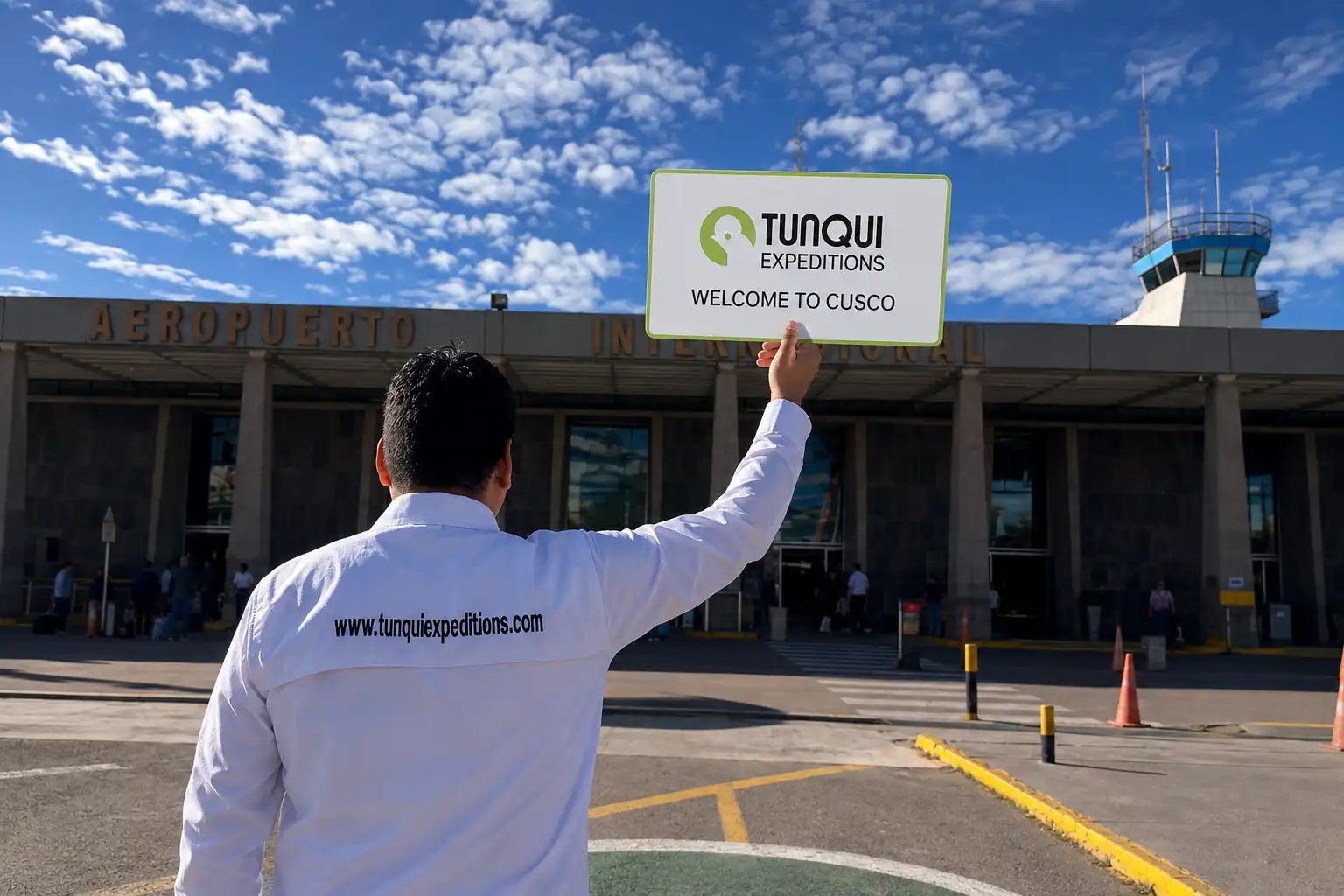
The airport in Cusco currently is only for domestic flights, so all international travelers by plane must disembark in Lima and go through Customs. Even if your flight to Cusco is the same day by the same airline carrier, you must grab your bags in Lima and then check them back in.
The best way to get to Cusco is by air and there are several options in airlines. LAN tends to be the most expensive, but has the most options and flights. Expect delays or flight cancellations. Due to the high altitude of Cusco, it tends to be difficult to land and any acclimate weather will stop air traffic. Bus travel is always available and while the trip can be long, especially from Lima, the buses in Peru are very well maintained and comfortable. This option is strongly encouraged if coming from a city closer to Cusco, like Puno. Lima buses will take about 20 hours to arrive.
Luggage Storage
Any extra luggage you have with you can be left safely in Cusco at either your hotel or with us at the Tunqui Expeditions deposit while you trek. We will grab from you the morning of your trek and return once you are back in Cusco. Make sure your bags have some kind of identification on them so they are easy to locate.
Weather
Of course weather is unpredictable. Typically the dry season in Cusco is from April through October, but this does not stop rain from falling in June or the sun from coming out in December – just be prepared. No matter what month you are doing the trek, please make sure that you have rain gear that includes a waterproof jacket, pants, poncho and waterproof gloves. Many people forget about gloves, but being cold and wet makes hiking very unpleasant.
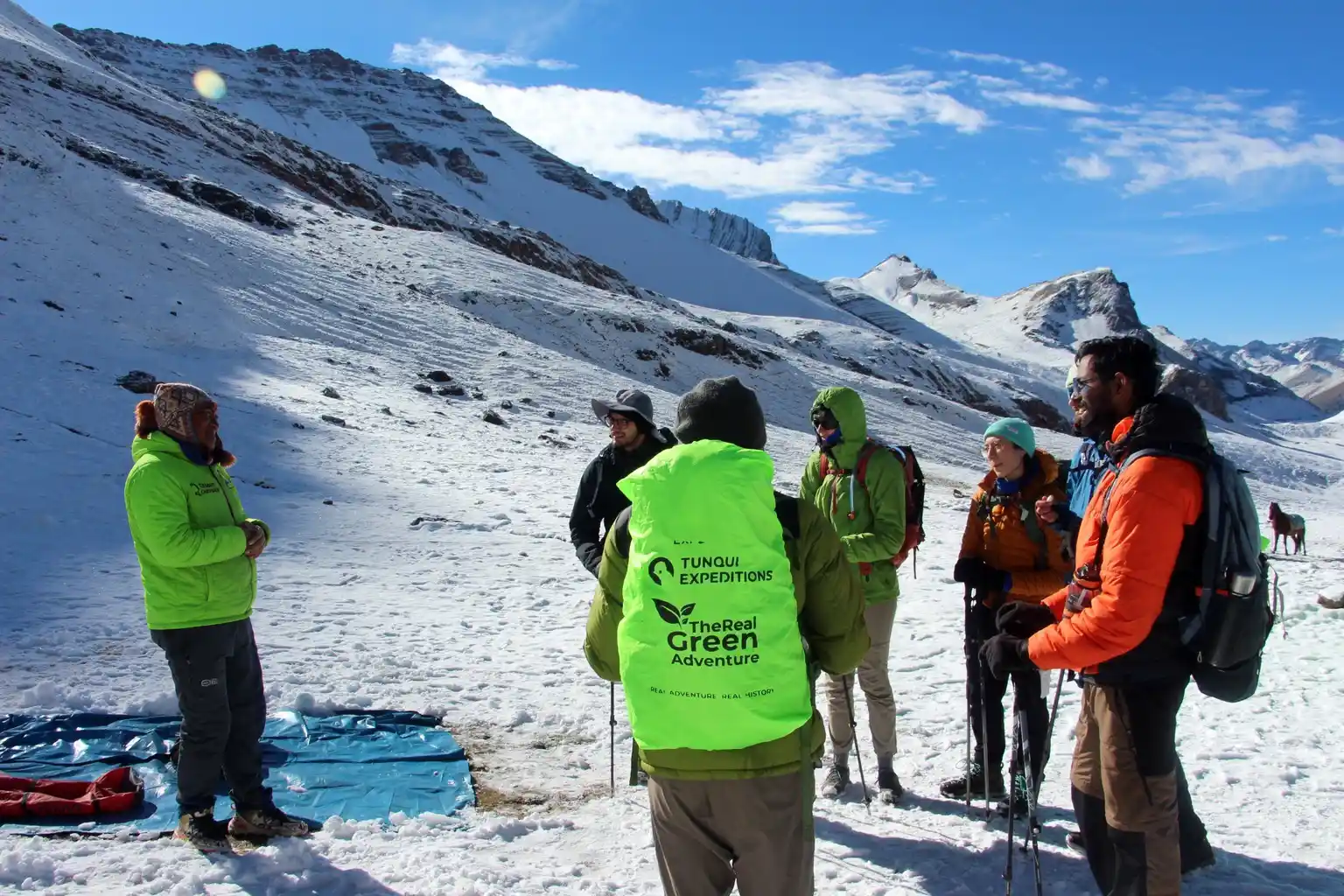
Also prepare for four seasons. Many of the treks through the Andes involve many micro-climates and you will need to be prepared for all seasons. Layers are always key as they are easy to adjust to the different temperatures. And evenings will always be cold, so please be prepared with a warm winter-weight jacket.
Altitude
When traveling to high-altitude destinations like Cusco, giving your body time to acclimate is essential to preventing altitude sickness, so plan to spend at least two days resting and taking things slow before any heavy trekking. Mild symptoms—such as headaches, fatigue, nausea, and dizziness—are common, but you can minimize their impact by staying well-hydrated, drinking traditional coca tea to boost blood oxygen levels, and avoiding alcohol, caffeine, smoking, and sleeping pills. Pacing yourself is crucial regardless of your fitness level, and while preventative medications like acetazolamide can be prescribed beforehand, you should immediately inform your guide or seek medical help if your symptoms become severe.
First Aid
Every Tunqui Expeditions guide has received training in first aid from a physician. We conduct mandatory training every February – every single Tunqui guide attends. When guiding you, they will have with them a first aid kit for basic medical problems (traveler’s diarrhea, cuts/scrapes, etc.) and oxygen. They know how to make you feel better.
In case something unexpected happens and you feel you can no longer complete the trek, they will figure out the safest and quickest way off the course and to a clinic. You will never be left alone, you will have a member of the team escort you every step of the way until safely with a doctor. When you are feeling up to it, we will make sure that you still have the chance to visit Machu Picchu and re-connect with your group, traveling by train comfortably.
Travel Insurance
To protect your travel investment, we highly recommend the purchase of travel insurance. Obtaining travel insurance before you leave home is strongly encouraged and very easy. In fact, we work with a great agency in the United States that has helped to make it easy and affordable. This is a great way to protect yourself while visiting Peru.
Environmental Impact
Tunqui Expeditions uses biodegradable soap and transports all our garbage back to Cusco. Our porters are trained to look after the trail and pick up any waste from other groups, as well. We also use environmentally-friendly chemical portable toilets that allow us to pack waste out. We believe in leaving no footprint behind.
Community
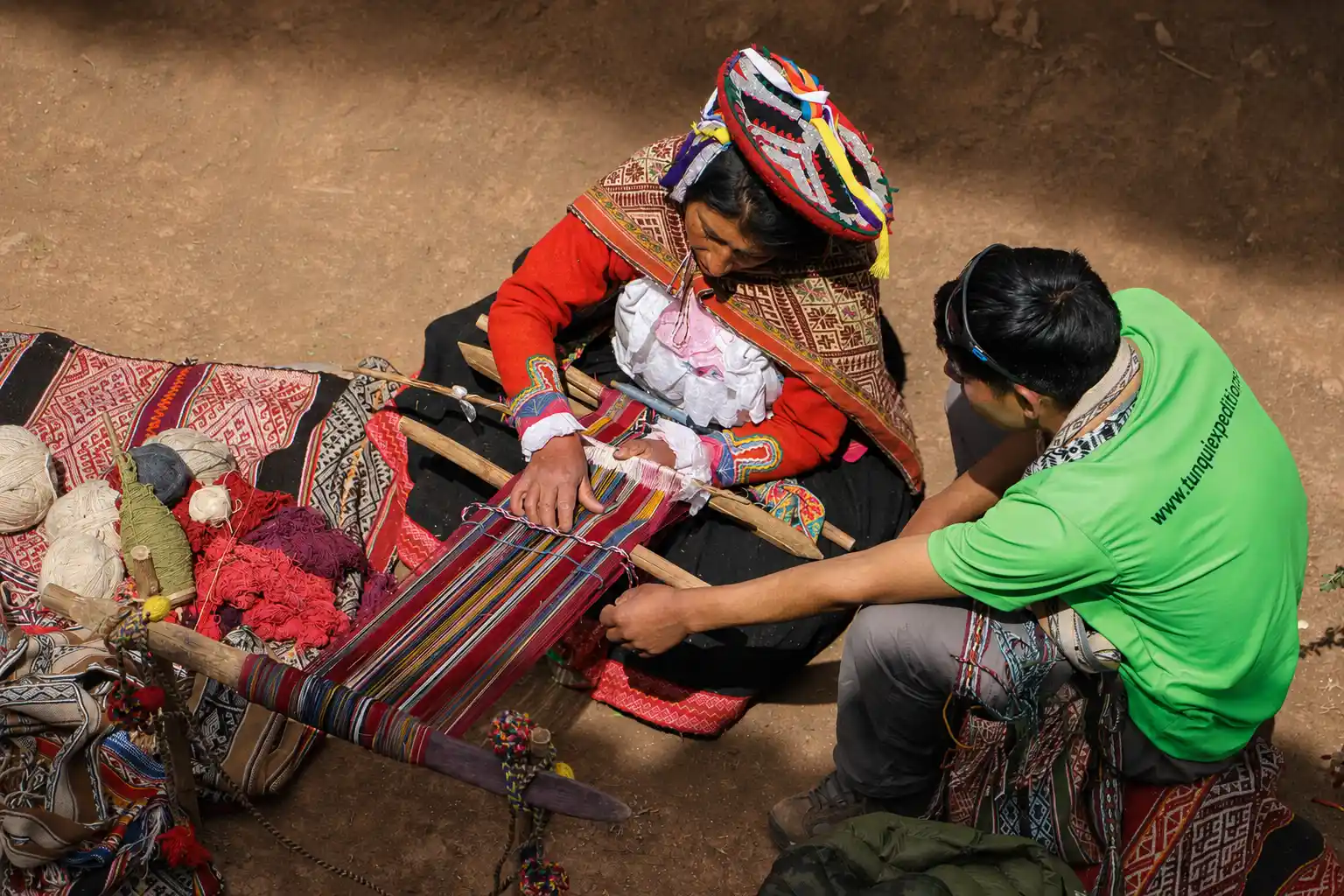
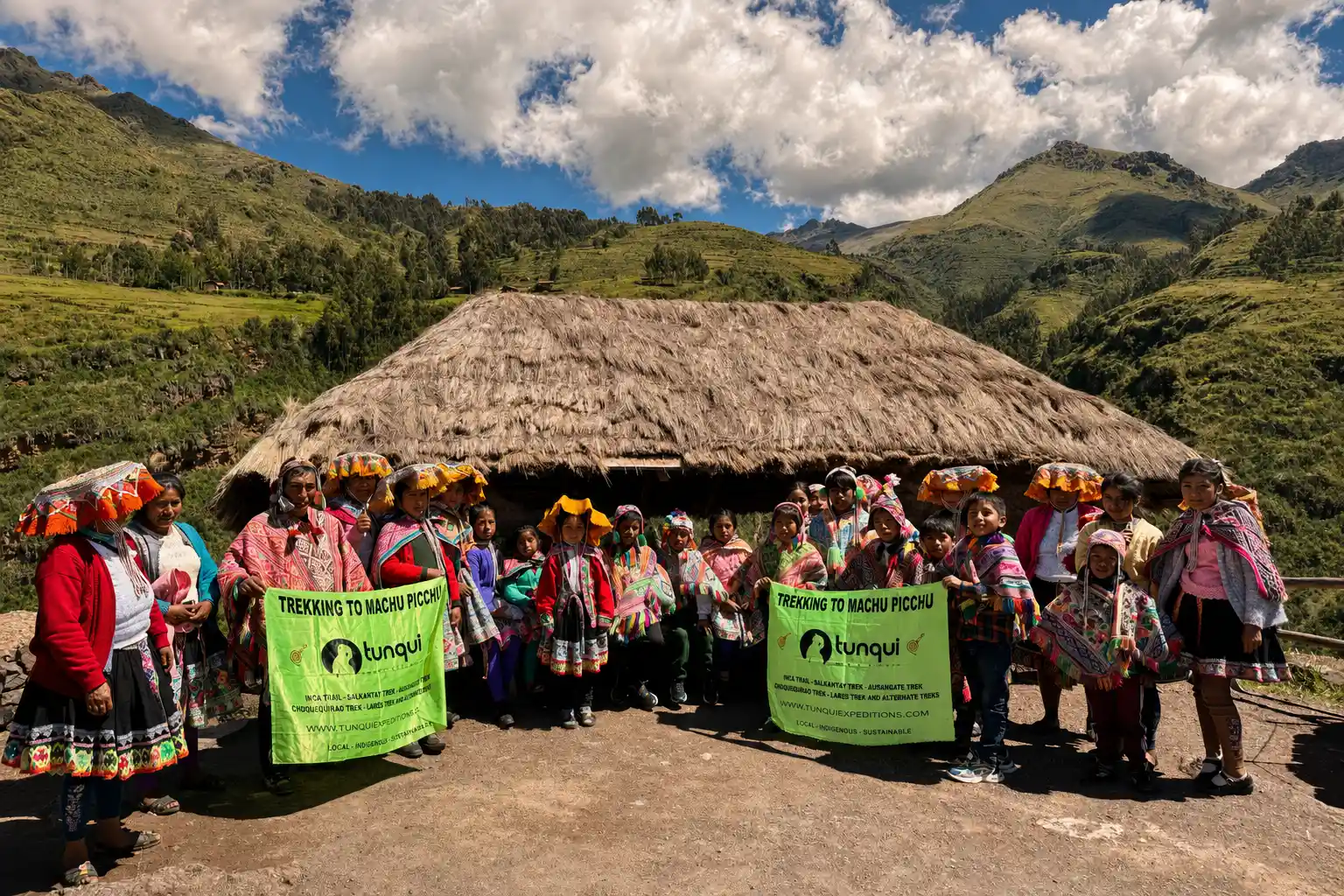
Tunqui Expeditions is really proud of the work we do for our community. This is a main focus for our company. We have worked with villages directly to help supply them with needs their families were missing. We have supported local schools by giving them computers and books. We currently sponsor a teacher at the village most of our porters come from to ensure their children are offered the best education.
We buy all our food from local farmers and markets and serve the freshest ingredients. We provide English classes for all our team: guides, porters, chefs and drivers. And we are building a house for our porters to give them a safe and comfortable place to stay before and after our treks so they no longer need to sleep on the floor of a friend.
And twice every year we bring our porters and their families to Machu Picchu. This is our favorite trip to do as the guys who work tirelessly have never visited the Lost Citadel of the Incas. Showing them this place is our biggest honor.
We are always looking to do more for our partners. Please let us know of your ideas and we will work to help.
Personal Porter Included
All of our treks include porters, who are responsible for carrying and setting up all equipment. They will also carry your personal duffel, which you will receive at your briefing the night before your trek. This duffel can not exceed 7 kg/14 lbs, and must include your sleeping bag and an air mattress.
Each Tunqui Expeditions porter is given a proper uniform, salary and insurance. They are the backbone of our company.